



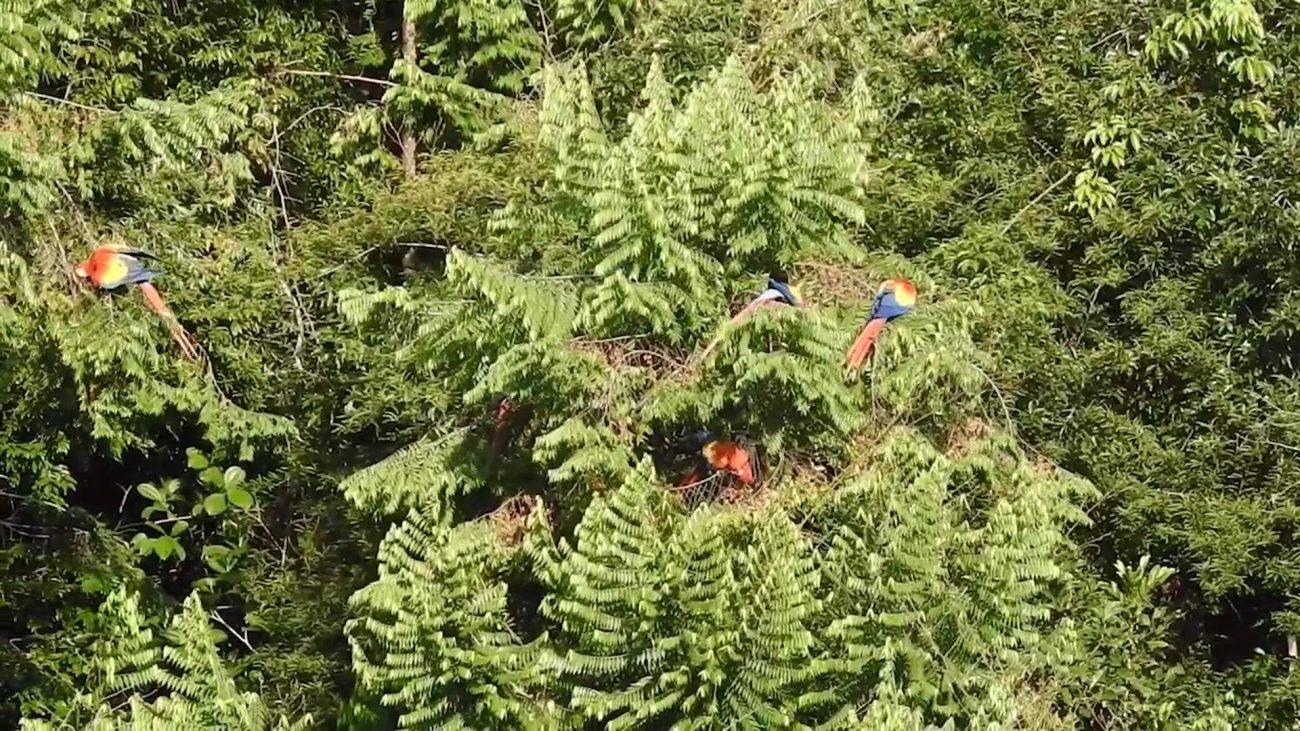
Macaw Sanctuary Plans Leave Red Bank Residents Concerned
Residents of Red Bank say they’re increasingly worried that plans to protect scarlet macaws could end up affecting their farms and how they make a living. While the Briceño Administration pushes ahead with plans for a sanctuary, villagers say they weren’t properly consulted and fear new boundaries could affect small farmers and restrict access to land and resources. Residents emphasize they support protecting the birds, but caution that livelihoods could be jeopardized if decisions are made without clearer communication. Today, News Five’s Britney Gordon traveled to Red Bank to hear directly from villagers about their concerns. Here’s her Belize on Reel special.
Britney Gordon
Britney Gordon, Reporting
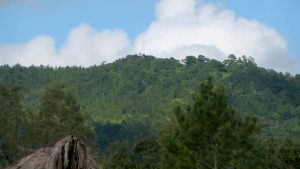
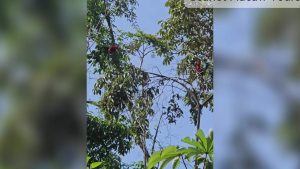
Tucked away in southern Belize is a village that may be small in size, but big in history, culture, and natural beauty. Red Bank is perhaps best known as one of the country’s prime spots for viewing the scarlet macaw. Every year, the endangered birds flock to the area, drawn by the abundance of local fruit trees, turning the quiet community into a seasonal haven for birdwatchers and nature lovers alike. Scattered across the mountains are an array of fruit trees, which are popular among the Scarlet Macaws for feeding. Behind me is a polewood tree, which bears fruit that are a favorite among the birds. Recently, the government revealed that plans were in motion to establish a protected area for scarlet macaws near the village. Residents say that even though tour operators and village council members were consulted, everyday villagers had no say in the process. Guermo Acal, who has been living in Red Bank for over thirty years says he didn’t learn of the plans until he heard it on the news.
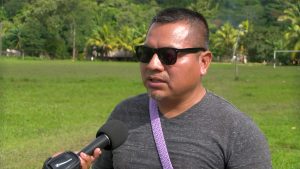
Guermo Acal
Guermo Acal, Red Bank Resident
“We don’t have no problem of having the birds right here close to us. But what we have a problem with is that these groups are going around trying to form something without our consent. That’s what it concerns us.”
Britney Gordon
“So how did you guys find out that something like this was even on the table? In the works to happen?”
 Guermo Acal
“Britney, we find this all through your News outlet and thanks to Channel Five that you guys did an interview with minister Habet. And that’s when we find found out. And then that’s where I was shocked about, Hey, something is happening that we don’t know.”
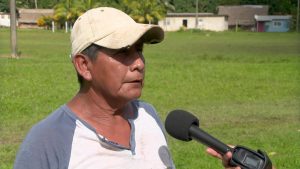
While the birds attract tourists between December and March, farming remains the long‑standing livelihood for many families in the village. Residents worry that if the land is designated as a protected area, they won’t have anywhere else to plant their crops. Victoriano Sho, who has been farming in Red Bank since its early days, says the lack of consultation with residents has left him feeling uneasy.
Victoriano Sho
Victoriano Sho, Farmer
“They might just protect all this area where we are farming all to the river way to the river. And it’s not only my children, it’s a lot of people who works behind those hills. And we get to understand that they’re saying that the farmer are causing problem to the Scarlet Macaws that’s why they’re not coming anymore. But that’s not the problem because I was, I’m a villager right here, and I know exactly what’s happening and because when the, when they Scarlet comes every year, we do farming all over that here, there, and they don’t bother anything about anything. They just come when they want to come and when they just feed and go back again.”
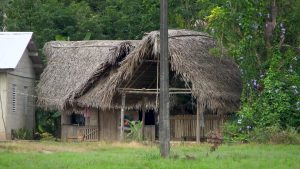
 Earlier, Sustainable Development Minister Orlando Habet said that setting up the sanctuary could require relocating some farmers. He added that residents would still have partial access to the area to collect wood, a resource many rely on annually to maintain their homes. Guermo Acal says it’s these very concerns that make it essential for the government to bring residents into the conversation early on.
 Guermo Acal
“People are concerned because we don’t know nothing about it. You understand? Last night we had a meeting with the village council little to no information was given to us because they don’t know nothing. So we question them, who is behind this? You understand? Because they’re saying that I believe there will be another map attached to what I sent you. We don’t know where will be the line drawn between the farmers’ areas. So it’s really a shocking to all the farmers because what if they come and draw a big line between the farm and land, and then we don’t know.”
According to Acal, over a hundred residents expressed concerns about the sanctuary during a meeting on Sunday. Angelita Acal, a mother of five, says losing their farmland would leave her family unsure of what comes next, given the limited space in the village.
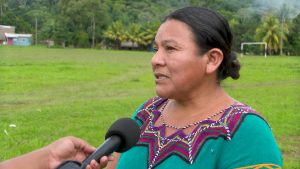
Angelita Acal
Angelita Acal, Red Bank Resident
“I got mi farm backa hill. You see that hill right there? We got farm, we grow corn, beans, plant cassava, vegetables, anything. So I say, where should we go now if they could stop we there. One of these days, anything happen, da me gwen da farm. I gwen back corn, have to go. That’s why I am thinking, I no want that. It’s better you have to help us. We got our children. They go da high school. UB. Da we have right fi do that, not like them. Them di put them business, them di grow them business. How we?”
Villagers say Red Bank is here to stay, and so are the scarlet macaws. Their call is not to turn away from conservation, but to work alongside the government on a balanced approach, one that protects the environment while preserving the livelihoods of residents who call the village home year‑round. Britney Gordon for News Five.
Facebook Comments