


Maya History Destroyed by Heavy Machinery Near Guinea Grass
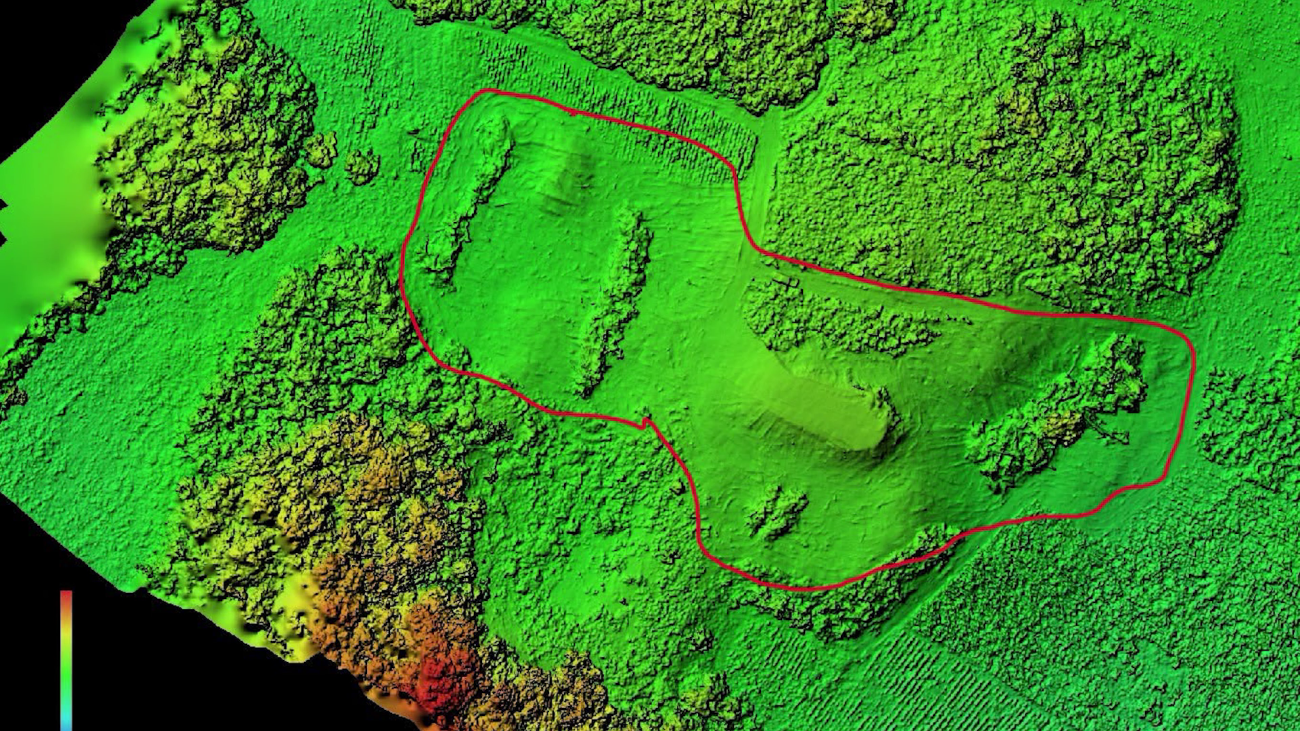
A part of Belize’s ancient Maya past has been damaged, and tonight the Institute of Archaeology wants to know who is responsible. Archaeologists say heavy machinery apparently flattened part of Complex D at the El Pozito archaeological site near Guinea Grass Village in Orange Walk. The damage comes just months after researchers completed a new survey of the site and as monitoring continued because of nearby land clearing. Senior Archaeologist Josue Ramos says it is a major setback for preservation and a reminder that protecting Belize’s heritage is everyone’s responsibility.
Josue Ramos
Josue Ramos, Senior Archeologist, Institute of Archeology
“Even if it’s on a private property, leased land or crown land, once it’s an ancient monument, an archaeological site, it’s protected by law. And currently, since December of 2024, our minister was able to lobby with his cabinet colleagues and they passed to amend the legislation, the NICH Act, which increased the penalty from five thousand to seventy-five thousand and from two to five years imprisonment. First instance of site destruction for charge, right? And there is another aspect to it. For instance, if you as Britney Gordon has a piece of land and we know that you’re engaged in a development, we would write to you and say, miss Britney. We know that you are an employee of the development, but we also understand that there could be archaeological features in your property. Here is the policy that helps you to develop your land sustainably. We would share with you the archaeological impact assessment, which was passed in 2023. And we provide a list of archaeologists to you. So we don’t dictate which archaeologists you will use. We just provide you a list of accredited archaeologists that can do the assessment for you. You then negotiate with them. The archaeologists will then submit a report to us. We evaluate that. We go on the ground to see what’s been reported as factual. And then the archaeologists will propose a plan for you. And then we will review that plan. And if we see it fit, we accept it or we amend it because we are here not to stop development, but to work with people and ensure that development is done sustainably.”
Archaeologists are warning developers and farmers to do their due diligence and consult with authorities about possible archeological sites on property.
Attention readers: This online newscast is a direct transcript of our evening television broadcast. When speakers use Kriol, we have carefully rendered their words using a standard spelling system.
Watch the full newscast here: