



Monkey River Finally Sees Action After Years of Erosion
For years, reports piled up while the shoreline washed away. Tonight, officials say the permits are in, the work is underway, and the plan is simple: cut the risk now and protect the cemetery next. It’s the first real, government led effort in Monkey River, after families lost homes and memories to the sea. Residents are hopeful, but they’re also asking what comes next for their livelihoods and the river they depend on. Here’s News Five’s Isani Cayetano with the following story.
 Isani Cayetano, Reporting
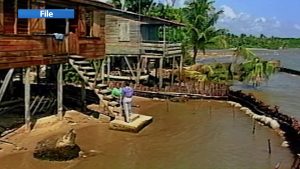
For generations, Monkey River Village has watched the sea creep closer, first nibbling at the shoreline, then swallowing entire yards, homes, and memories. What used to be a sleepy coastal community in southern Belize has slowly become the front line of climate change, with families forced to move inland as the river and sea recarve the landscape.
Prime Minister John Briceño
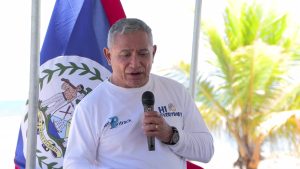
Prime Minister John Briceño
“If we do not do anything as a government, this village is going to disappear. And you have no idea how I felt when I looked out in the sea and I see a part of the cemetery out in the water, because I don’t what I would have done if it was my mother’s grave that was out there in the water. And I felt a sense of some anger and also despair because the first thing that came to my mind was, why is it that the government has not been able to do something to be able to help this village.”
On February ninth, the tide finally turned. After years of warnings and DIY defenses, the government launched a three-hundred-thousand-dollar shoreline project; the first real, official effort to slow Monkey River’s erosion crisis.
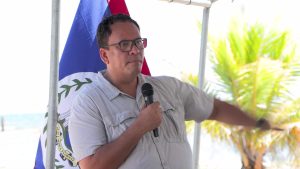
Osmond Martinez
Dr. Osmond Martinez, Area Representative, Toledo East
“I put myself in the shoes of the people of Monkey River and I started to say, you know what, they are right. They are right, simply because, who would like to lose their home. They are right because who like to lose their burial grounds and go and visit their loved ones swimming in the middle of the sea. I wouldn’t want to go and visit my mom at a burial ground that is swimming in the middle of the sea anymore. They are right because the only place they know as home is Monkey River.”
The current intervention, led by government with contractor support, is presented as a rapid, natural‑materials approach meant to blunt incoming energy and stabilize the river‑sea interface quickly. First, bollards to tame waves at the river mouth. Next, protect the cemetery the sea is undercutting.
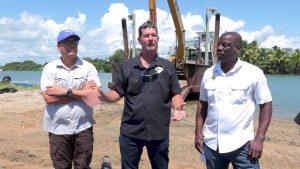
Albert Loewen
Albert Loewen, Contractor
“Literally, what you see is the sand comes from the river and goes out to sea. The sea was clogged with mud and sand, so the river noh push the sand out like it used to. One, we have less flooding and we have drainage on the way to Monkey River, but the water is not there. But as you can see, we moved the sand over, now nature will walk it down with time. The right thing would have been to load it up and truck it over, we would have had this thing filled up quickly. It would have looked beautiful and everything would be filled. But because the funding wasn’t there, we now did the rock work which will now hold the sand at least. If there is more funding, then we can continue moving sand or put more rocks, which his very much needed.”
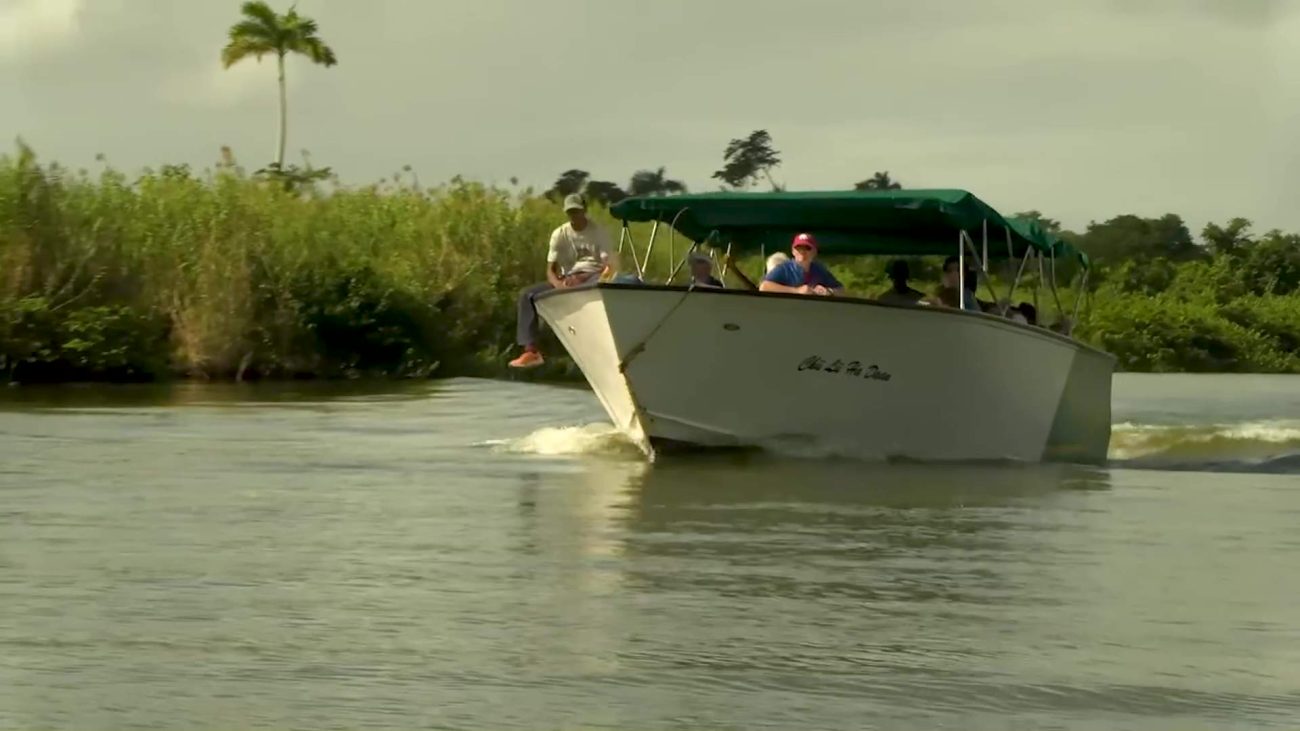
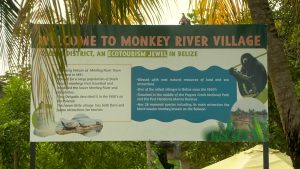 Tourists bring money; the boats bring trouble. Fast tour runs churn up the river, chew at the banks, and leave fishers and guides fighting mud instead of making a living.
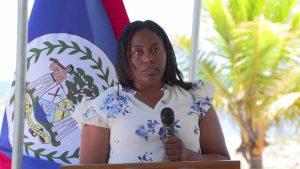
Eloydia Cuevas
Eloydia Cuevas, Chairlady, Monkey River Village
“It is beyond geographical boundaries, it is vital to our economy, culture, environment, our livelihoods, like I said before. This is Monkey River, this is where we live, this is what we love.”
After years of talk, there’s action: permits approved, crews moving, and a plan that reduces danger now and seeds a long‑term, community‑led conservation economy.
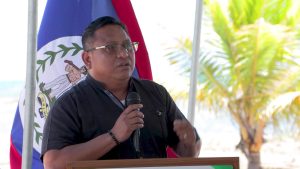
Valentino Shal
Valentino Shal, CEO, Ministry of Rural Development
“The way it works is that it’s not something that one person can do. It’s not something that one ministry can do. It’s not something one community can do; this transformation is possible when we all work together, when we all put in our part as villagers of Monkey River.”
Isani Cayetano for News Five.
Attention readers: This online newscast is a direct transcript of our evening television broadcast. When speakers use Kriol, we have carefully rendered their words using a standard spelling system.
Watch the full newscast here:
Facebook Comments