


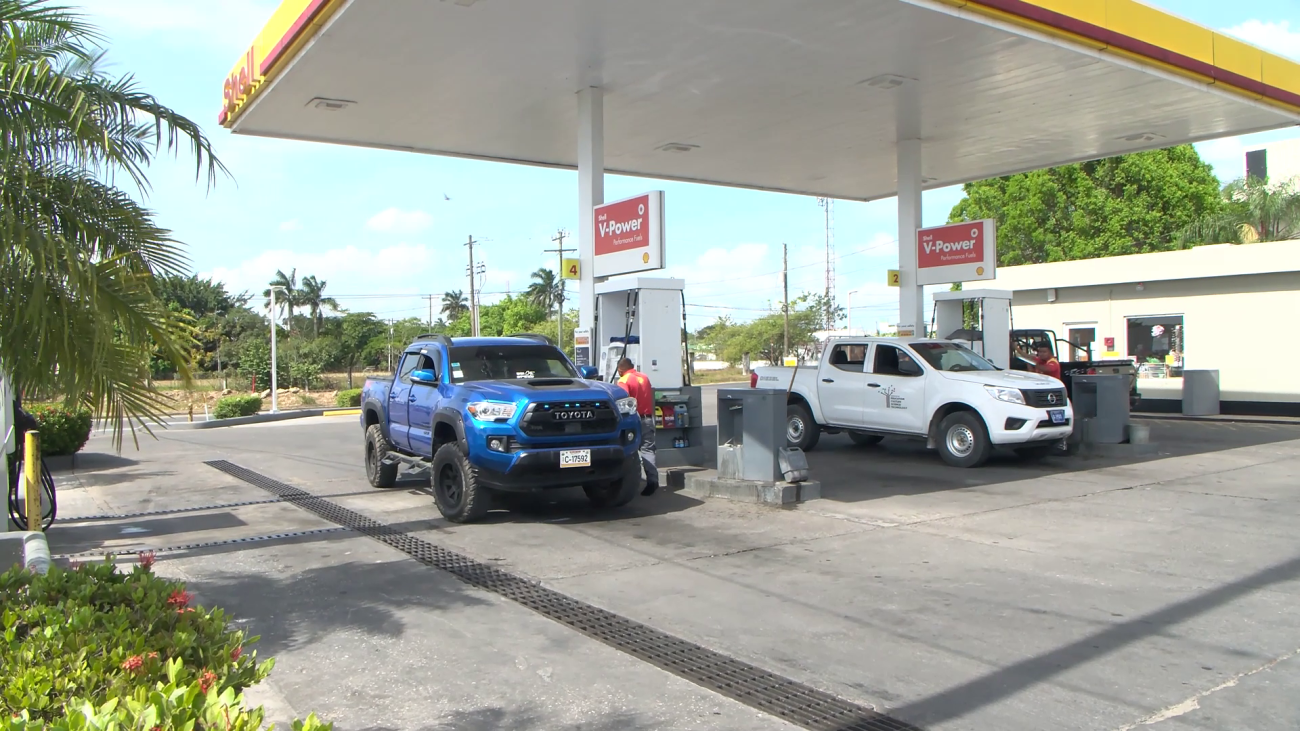
New Fuel Hike Hits Unevenly Across the Country
Fuel prices are climbing again, marking the fourth increase this year, and drivers are feeling it. Costs vary by location, but prices are rising, and quickly. The Prime Minister says global pressures are to blame, adding that government measures are helping keep prices from climbing even higher. But with the cost of living already squeezing households, many are asking how much more they can take, and whether current relief efforts can hold. News Five’s Paul Lopez reports.
 Paul Lopez, Reporting
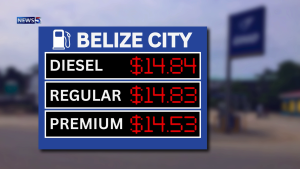
Fuel prices jumped again overnight, the fourth hike this year, and what you pay depends on where you fill up. In Belize City, both diesel and regular gas now stand at $14.83 per gallon, while premium is $14.53. In Belmopan, prices creep up slightly, diesel at $14.86, regular at $14.85, and premium at $14.55. Head south to Punta Gorda, and the spike hits harder: diesel climbs to $15.80, regular to $15.10, and premium to $14.79. Prime Minister John Briceño says prices would be even higher if government hadn’t cut taxes, absorbing the hit in lost revenue.
Prime Minister John Briceño
Prime Minister John Briceño
“We all know that prices are going up. It is going up all over. In the United States the cost of fuel has gone up almost double the price between eight and ten weeks. We are a very small player when it comes to fuel. We are buying a hundred gallons the United States is buying a million gallons. So, they get better prices. What we have been doing is trying to cut the taxes on fuel. About now we have given up about eighty million dollars in revenue, eighty million dollars that has already been programmed in the budget.”
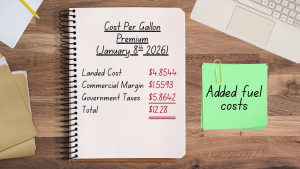
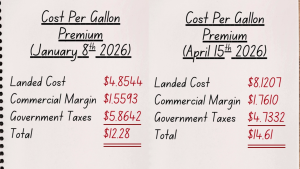
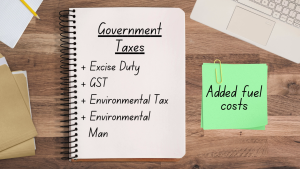 Fuel prices at the pump come down to three key factors: landed cost, taxes, and margins. The biggest driver? Landed cost, covering freight, insurance, and port fees. Then come government taxes like GST and excise duty, followed by commercial margins for delivery, wholesalers, and dealers. At the start of the year, a gallon of premium fuel cost $12.28. By mid-April, it jumped to $14.61, a $2.33 increase. The main culprit is landed cost, which surged from $4.85 to $8.12. Meanwhile, margins edged up slightly, and taxes actually dropped.
Paul Lopez
“How much was cut in this most recent case?”
 Prime Minister John Briceño
“I think we cut about a dollar. I don’t know exactly what amount, but we continue to cut.”
Historical data adds fuel to the debate. Back in August 2012, premium fuel peaked at $12.97 under the Barrow administration, driven by global prices. Landed cost then, $7.68, was close to today’s levels. But taxes were much lower at $3.67, with margins at $1.62. That comparison has critics arguing government can cut taxes even more. Prime Minister John Briceño, however, says tax relief isn’t limited to fuel alone.
 Prime Minister John Briceño
“We have decided as a government to make a number of decisions in seeing where we can cut goods and services to balance the budget. There are different ways we want to look. But there is one thing we are not going to compromise, social services, providing grocery bags for the most needy, the housing, land education, NHI, these are the pillars of the PUP government, the very important pillars of Plan Belize 2.0. and that we don’t compromise, we have to compromise on other things.”
And, the bigger question tonight is whether these tax cuts will become unsustainable in the long term, as prices at the pump are increasing faster than the average household income. Reporting for News Five, I am Paul Lopez
Attention readers: This online newscast is a direct transcript of our evening television broadcast. When speakers use Kriol, we have carefully rendered their words using a standard spelling system.
Watch the full newscast here: