


Record Heat Grips Central America As El Niño Puts Belize on Alert
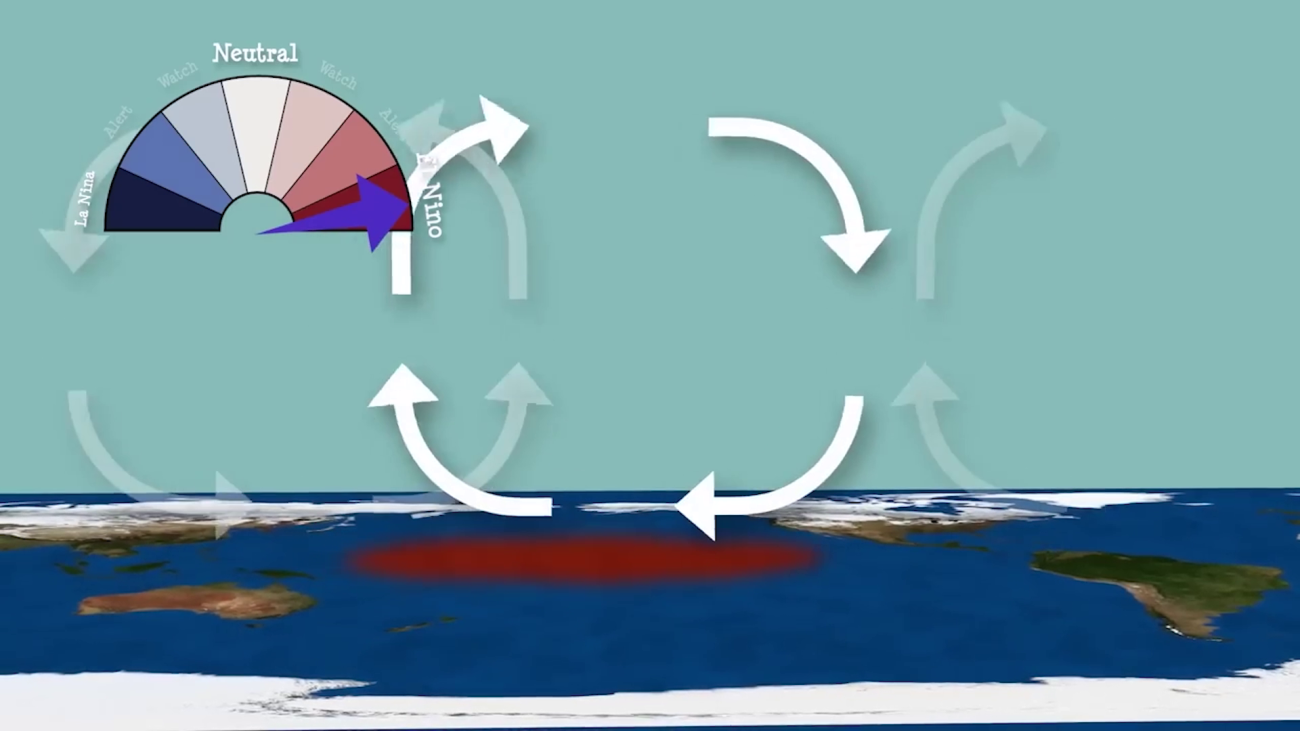
Belize may not have declared an El Niño emergency, but the warning signs are already here. Record-breaking heat has pushed three Central American countries into crisis and forced Panama to reduce traffic through its world-famous canal. Belize, meanwhile, has recorded below-normal rainfall for most of the year. Senior Climatologist Shanea Young says March was the only month that brought excessive rainfall, and if the current trend holds, the next dry season could bring a serious drought.
Shanea Young
Shanea Young, Senior Climatologist, National Met Service
“If this trend continues, and currently our forecast for the August, September, October month is for normal to below normal rainfall, based on what we have seen, with the exception of the flood events we have had, even though we have had those, they only occur in like one day and then there is little to no rain in the other days, we are still going on that trend of recording below normal. If that continues, especially into what is typically the peak of our hurricane season and when we get the most rainfall in Belize, if that drying or below normal trend continues then for us, in the next dry season, even though we are not experiencing any significant drought in this moment, or any significant rainfall deficits, if it continues for the rest of the wet season into the next dry season, that is where for us here in Belize we can begin to experience the droughts or potential droughts or severe water shortages in the upcoming dry season, especially if the El Nino phenomenon continues to strengthen, which it is forecasted to do, up until the end of, or at least by the end of October, if that materializes, we will potentially face water shortages in the next dry season.”
El Niño Threatens Belize’s Agriculture Sector
El Niño is intensifying across Central America, putting Belize’s agriculture sector at risk. Senior Climatologist Shanea Young says farmers have been warned and policymakers are prepared for the forecasted heat.
Shanea Young
Shanea Young, Senior Climatologist, National Met Service
“All of those persons in those particular sectors are aware of the potential impacts of this El Nino phenomenon. So, they knew well in advance that this was possible and we also shared with them what they can do to minimize the risk if it does indeed strengthen, which it is now doing, and what those impacts will be so that they can prepare for it well in advance. And every month the ministry of agriculture request the rainfall for the previous months so they continuously monitor and can advise the farmers on what to do. So, what we need from our stakeholders is for them to tell us now if they have started to observe any of the impacts that were forecasted previously. If they have, what is the status so what we can continue to monitor our forecast closely or if there is any major changes or if it is going to get a lot worse than what we have previously anticipated, when we know what the current conditions on the ground are we can do more tailored alerting and focus on those areas that would need more specialized warning.”
Young noted that while the forecast is for suppressed hurricane development, it only takes one storm to cause major destruction.
Attention readers: This online newscast is a direct transcript of our evening television broadcast. When speakers use Kriol, we have carefully rendered their words using a standard spelling system.