


Restorative Justice: Not Just Time Served, But Lives Changed
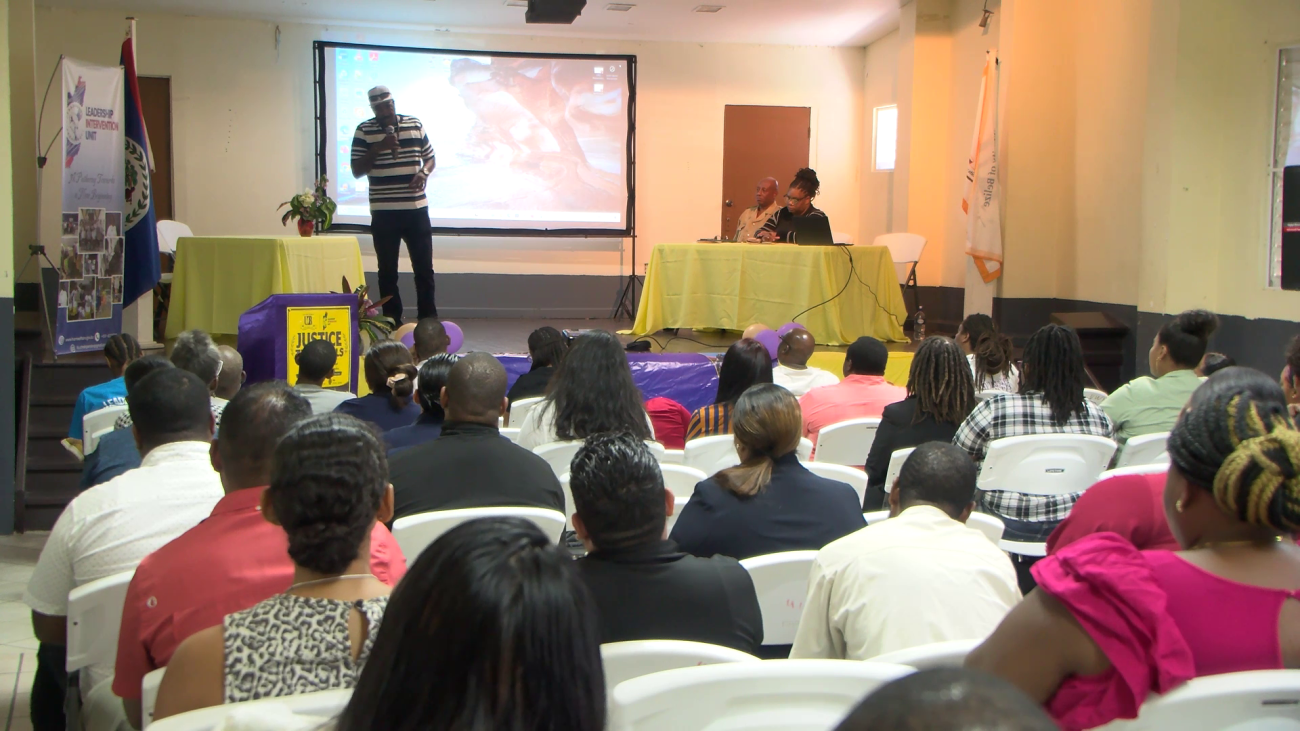
A growing shift in how Belize deals with crime took the spotlight today, and it’s about more than punishment. Restorative justice is changing the conversation, putting accountability, healing, and second chances at the center of the justice system. That movement took center stage at a symposium hosted by the University of Belize alongside the Leadership Intervention Unit. But while experts discussed policy and possibility, it was one powerful, personal testimony that truly resonated, the story of a life changed after incarceration. It’s a reminder that justice can also mean transformation. Shane Williams brings us that story.
 Shane Williams, Reporting
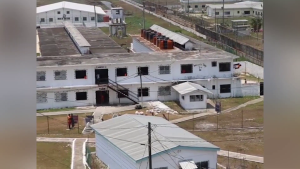
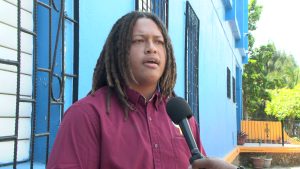
A few years ago, he was behind prison walls, defined by a single decision that changed his life. Today, Lane Grinage is walking a very different path, one that’s bringing him face to face not just with his past, but with a chance to help others heal.
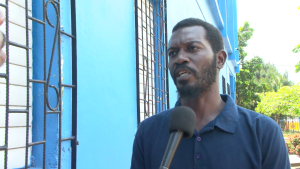
Lane Grinage
Lane Grinage, Reform Advocate
“When I became introduced to incarceration at the prison, it was then I realized that, hey, I di go down the wrong path and this was on a conviction. And while on that conviction I was introduced to the program at the prison, the ARC program, Ashcroft Rehabilitation Center, where they teach you on social skills and everything, life skills. And there is where I found that I can be better.”
Prison took away his freedom, but it gave him something else, a hard moment of reckoning. Through restorative justice programs, he was pushed to look beyond court sentences and paperwork, and to face the real, human impact of his actions on others.
 Lane Grinage
“Due to society and the challenges of society, yes, it is a challenge for everybody, but each person must be responsible enough for themselves to take whatever is available and implement it to reach better.”
Now back in society, the road hasn’t been easy. The stigma of “ex-convict” still follows him, closing doors and testing his resolve.
Lane Grinage
“It just shows the challenge is still is even more challenging. But a person has to be disciplined and wanting to achieve proper integration to achieve success.”
 Shane Williams
“Do you think there is any type of discrimination against former inmates outside in society, like the employers and business community?”
Lane Grinage
“Definitely. Definitely. But I don’t really look at it like that anymore because of my own impressions. What I do know is that as long as you be consistent in being productive, then the time will come where you will get the opportunity.”
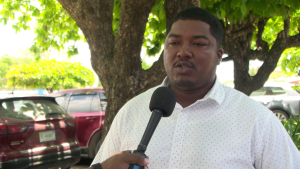
Grinage pressed Wagner’s Youth Facility Director, Nasir Acosta, on what he sees as an imbalance, too much focus on industrial discipline, not enough on rehabilitation. Acosta pushed back, saying that’s exactly where restorative justice comes in. He explained that it helps bridge the divide between punishment and healing, creating real opportunities for accountability, growth, and transformation.
Nasir Acosta
Nasir Acosta, Director, Wagners Youth Facility
“A lot of it is just preparing them as a person, restoring that within them as a person. That’s where it starts. So that when they leave, I see myself as more than an offender. I see myself as more than a perpetrator. I see myself as I’ve grown, I’ve changed, and I know who I am. That’s generally the tools that we use through those programs.”
For the University of Belize’s criminal justice and criminology students in the room, Grinage’s message hit close to home. His story made it clear that real change isn’t just possible, it’s achievable when honesty, hard work, and strong support come together.
Shaheed Mai
Shaheed Mai, Criminal Justice Student, UB
“Upon hearing his story it’s just a clear insight of, these types of situations are real. And if you would have listened to him also you would have seen that he wants to work, he wants to become better, and he has that drive to become better.”
A story of accountability, redemption, and the difficult road to acceptance playing out one conversation at a time. Shane Williams for News Five.
Attention readers: This online newscast is a direct transcript of our evening television broadcast. When speakers use Kriol, we have carefully rendered their words using a standard spelling system.
Watch the full newscast here: