



Shoreline Rescue Effort Begins in Monkey River
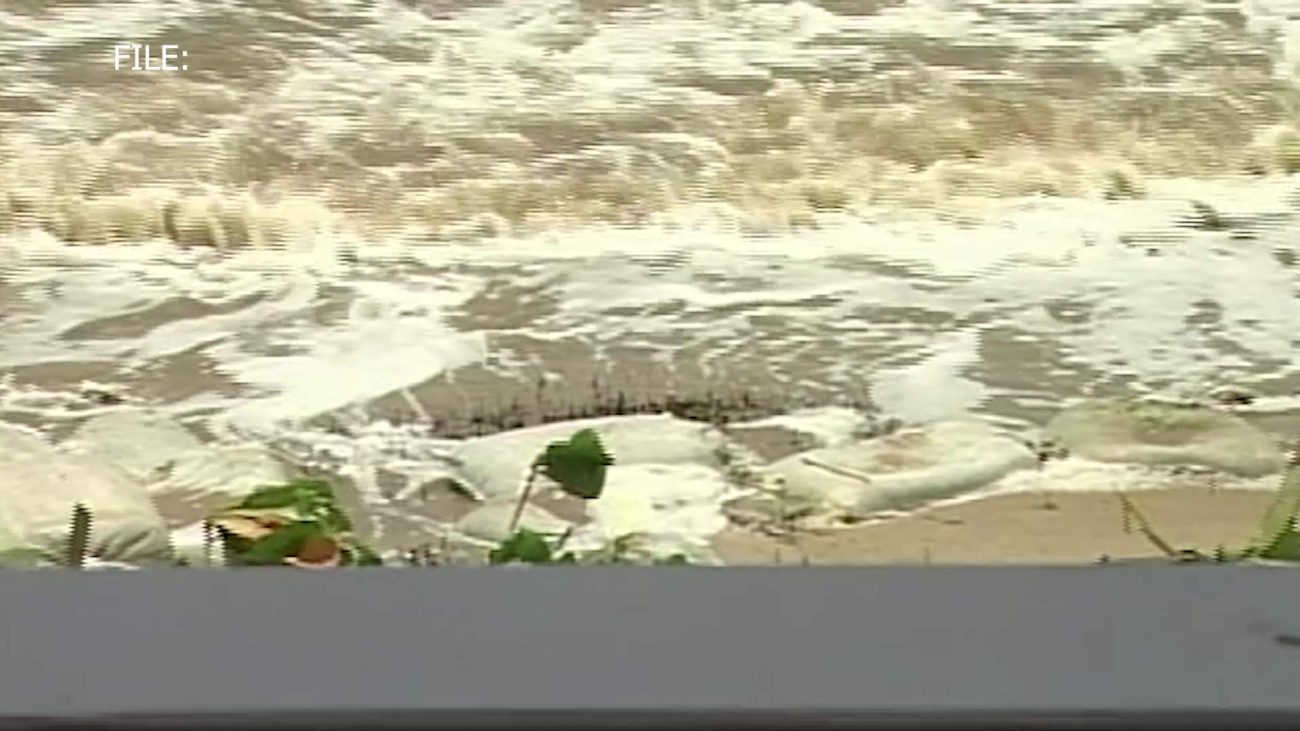
There’s new hope rising along the shoreline in Monkey River Village. Last week, long‑awaited work officially began to protect the northernmost community in Toledo, where the river meets the sea and climate change has taken a devastating toll. Years of erosion have swallowed land, claimed homes, and forced families to move. Now, a three‑hundred‑and‑six‑thousand‑dollar government project aims to restore and protect what’s been lost, while creating a sustainable future for the village. Alongside shoreline protection, plans are also underway to establish a community‑co‑managed wildlife sanctuary, opening the door to new income and conservation. Toledo East Area Representative Dr. Osmond Martinez tells us why this intervention couldn’t come soon enough.

Osmond Martinez
Dr. Osmond Martinez, Area Representative, Toledo East
“The first phase is to look at putting some bollards in place in order to mitigate the impact of the waves into the erosion. But also a strategic approach because remember there is an outflow of the river’s natural current but also when the tides go up, you will see that the and goes back. So we will have to protect that area as well and more or less go all the way to their burial ground. Their burial ground is more or less eroded and that is where their loved ones have been put to rest. And so we must to that part as well and that will be on phase two. So most of the mitigation process that will be done is a natural aspect so there will be no piles, no cement, because we also want to investments that have low environmental impacts so the main objective is to enhance the present situation by mitigating the erosion problem. It should be completed by the end of this month and it is being done by Albert Lowens. And he also did work in Sarstoon. So he has some experience in dealing with issues dealing with climate mitigation. And the costs of it is two hundred and six thousand dollars. It’s not like millions of dollars and then there’s phase two which is about another hundred thousand so that’s three hundred and six thousand dollars. So with three hundred and six thousand dollars, we’re doing a lot and the question is how many houses could have been saved with three hundred and six thousand dollars.”

Facebook Comments