


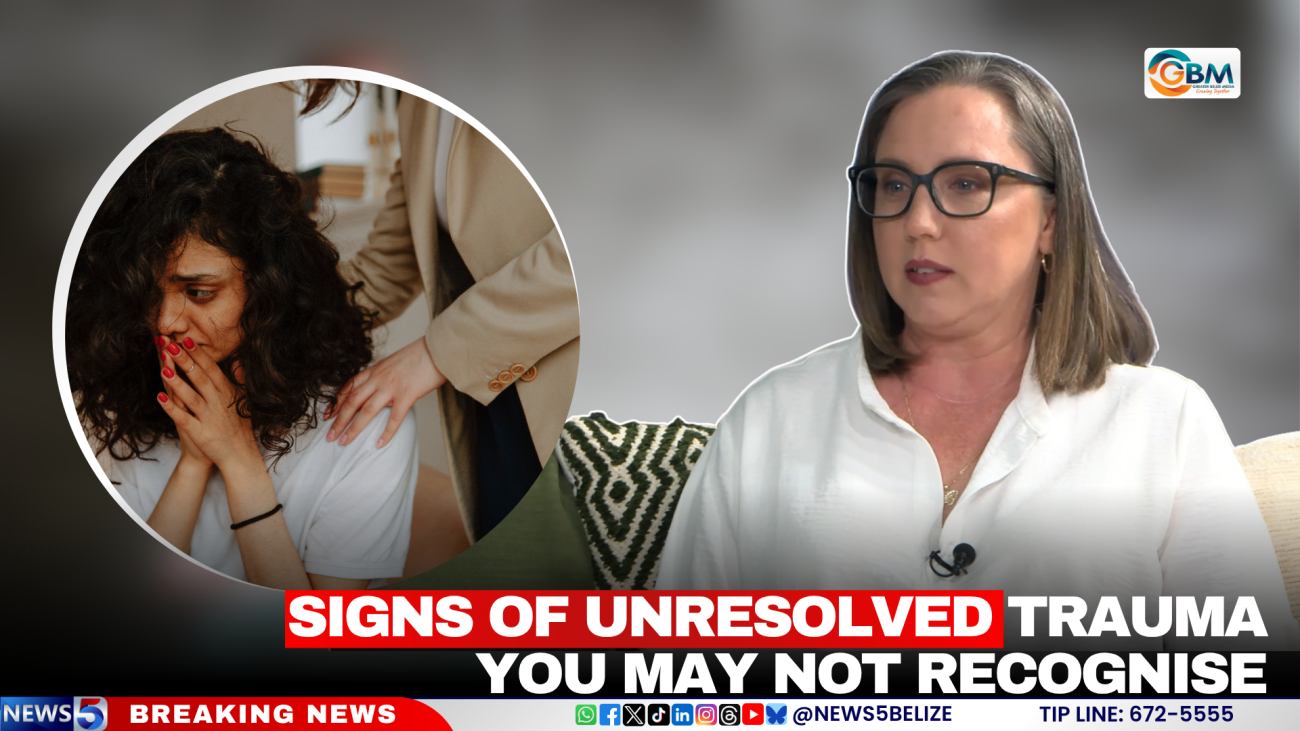
Signs of Unresolved Trauma You May Not Recognise
Trauma does not always come from a single life-changing event. It can also build over time and leave people struggling with emotional and physical effects they may not immediately recognise, says professional counsellor Christa Courtenay.
Courtenay spoke on Open Your Eyes this morning. She explained that two people can live through the same robbery and come away with very different wounds. Trauma, she said, “is what happens inside of you” as a result of an event.
“The brain is a very powerful tool and is designed to help you survive,” she said. “And so there’s lots of things that people do in response to trauma that they don’t really have a choice over. But it’s designed to help you survive it.”
That survival instinct can bury memories. Courtenay said the brain is even able to block out specific trauma until adulthood. She recalled a client in their 50s who suddenly could not stop thinking about an event they had not recalled in 30 years.
She also said repeated exposure to violence and other distressing events can also take a toll, particularly on frontline workers such as journalists, paramedics and medical professionals. Constant exposure without adequate support can contribute to trauma-related symptoms, making workplace support systems essential.
Access to social media these days also exposes everyone to tragedy “minute-by-minute,” she said, something the human mind has not adapted to.
Family and friends can unintentionally deepen a survivor’s distress. Courtenay said loved ones often react out of fear when they ask questions such as why someone went to a particular place or why they did not speak up sooner. “It immediately makes the person who is suffering or who was the survivor or the target feel like it’s their fault. And that is re-traumatising,” she said.
Her biggest challenge as a therapist often lies outside her office. “As a therapist, I will work with someone sometimes for two years, but they have to go home to an environment that is not supportive of them being in therapy,” she said.
Some families reject diagnoses or medication, she explained. Others see therapy as clashing with their faith. “There’s a clash between the church and seeing therapy as something that is secular. And we do have a large, you know, religious population.”
Her advice for anyone supporting a survivor is to start simple: tell them you have no words, but you are there if they ever want to talk.
Untreated trauma can show up in the body. Courtenay said to watch for:
- flashbacks
- trouble sleeping
- changes in eating patterns
- a short temper
- feeling heavy “for no reason”
The Ministry of Health runs mental health centres in each district. Many employers offer assistance programmes that cover therapy, and some insurance plans cover a set number of sessions. Courtenay also pointed to mindhealthconnect.com, which lists local providers, locations and fees.
So when should someone seek help? Courtenay’s response: “At every point. Even preventatively.”