


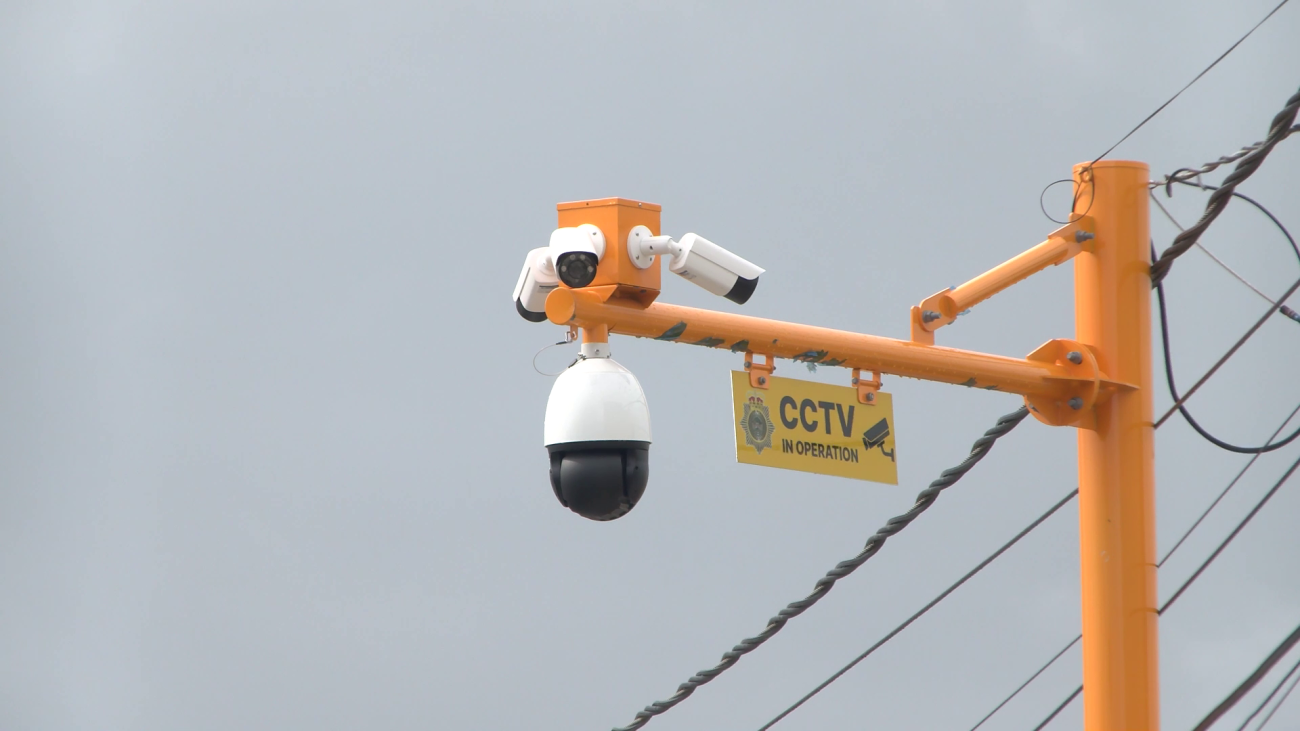
Surveillance Cameras Watch, But Do They Deter Crime?
Nearly two years after Belize launched an ambitious nationwide surveillance project, hundreds of cameras now monitor streets, intersections and crime hotspots across the country. Police say the technology is helping them identify suspects, trace vehicles and build stronger cases. But as the network expands, so do questions about privacy and whether the cameras are actually preventing crime or simply helping investigators piece together what happened afterward. News Five’s Britney Gordon takes a closer look.
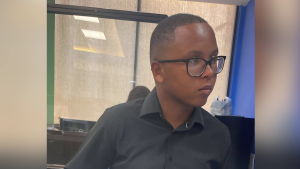
Shiloh Coleman
Britney Gordon, Reporting
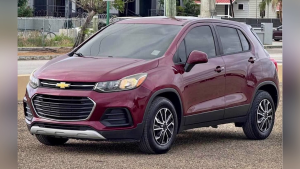
The murder investigation involving nineteen-year-old Shiloh Coleman is one of the latest cases in which police are turning to surveillance technology for answers. Investigators say they have since located the vehicle that was missing from the crime scene, while officers at the Crime Fusion Center continue reviewing camera footage and following leads.
 Reporter
“And any indication where his vehicle is?”
ASP Stacy Smith, Staff Officer
“No. However, we have received some information as to where it might be, and they are following up with those leads, with the Crime Fusion Center, the camera room.”
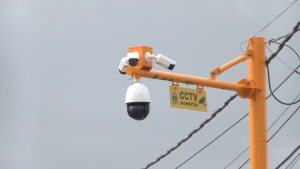
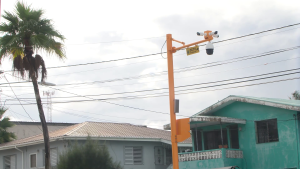 Those bright yellow the Belize Police Department’s growing surveillance network, a nationwide system expected to include as many as one thousand high-tech cameras. Authorities say the cameras are helping police identify suspects, track vehicles and gather critical evidence.

Dr. Richard Rosado
Dr. Richard Rosado, Commissioner of Police (File: August 28th, 2026)
“The police department have embraced advanced technology. We have a number of security cameras across the country. We have our drone unit, along with the security forces drone unit that will help us police the different areas.”
But capturing the footage is only the first step. Officers must still review hours of video, follow the movements of people and vehicles, and determine which images are relevant to an investigation. Staff Officer ASP Stacy Smith says that workload can slow the process, especially when police are handling several major crimes at once.

Stacy Smith
ASP Stacy Smith, Staff Officer
“We have a technology system in place that pretty much picks up everything but it takes time to be perused and go through and follow each and every lead.”
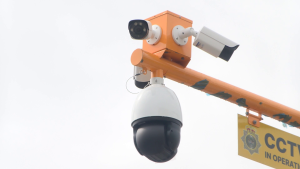 The cameras feature high-definition imaging, night vision and powerful zoom capabilities. Some locations also use facial-recognition and license-plate-reading technology, allowing investigators to trace people and vehicles linked to criminal activity. Police now want more artificial-intelligence capability to analyze footage faster and reduce the number of officers needed to monitor the system manually.
ASP Stacy Smith
“As Commissioner Rosado has emphasized on many occasions, we are moving towards a more technologically sound department. The cameras have assisted greatly in our investigative capabilities. And we continue to pursue resources that allow us to have more intimate and deeper analysis of these technological cameras. I know a great deal of lobbying is being done with a particular agency which will provide us with the AI technology which will allow more officers to be on the streets whilst at the same time, ensuring that the monitoring of these incidents are done.”
Surveillance Cameras Watch, But Do They Deter Crime?
As the camera network expands, so do privacy concerns. Police insist they will protect the public without invading citizens’ private lives. The cameras are watching criminals, but criminals are also targeting them. Police say footage captured Jimmy Rojas damaging two cameras in Belize City. He now faces two charges, as Commissioner Rosado pushes for tougher penalties.
Dr. Richard Rosado, Commissioner of Police (File: August 28th, 2026)
“I believe it require some legislative amendment because when they tamper with the camera, they damage the camera, the penalty for damage of property I view as being minimal. I do believe it has the necessary security measures in place, hence the reason those two individual that damage the cameras were immediately found and arrested and charged.”
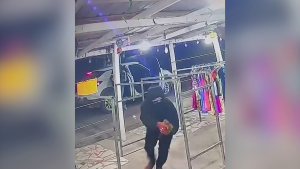 Police point to recent investigations as evidence that the system is producing results. Last month, surveillance footage helped investigators identify suspects in the armed robbery of an Orange Walk businessman. Two men were detained, and police impounded a vehicle believed to have been used in the crime.
ASP Stacy Smith, Staff Officer
“The cameras have assisted us greatly, they show us what led to the incident in many occasions and they allow us to trace these vehicles. As I indicated with all of these incidents, the vehicles that were utilized were identified.”
Police say cameras help track suspects and solve crimes. But are they stopping criminals, or just capturing what happens afterward? Britney Gordon for News Five.
Attention readers: This online newscast is a direct transcript of our evening television broadcast. When speakers use Kriol, we have carefully rendered their words using a standard spelling system.
Watch the full newscast here: