


Taxpayers Step In as Bus Talks End in Compromise
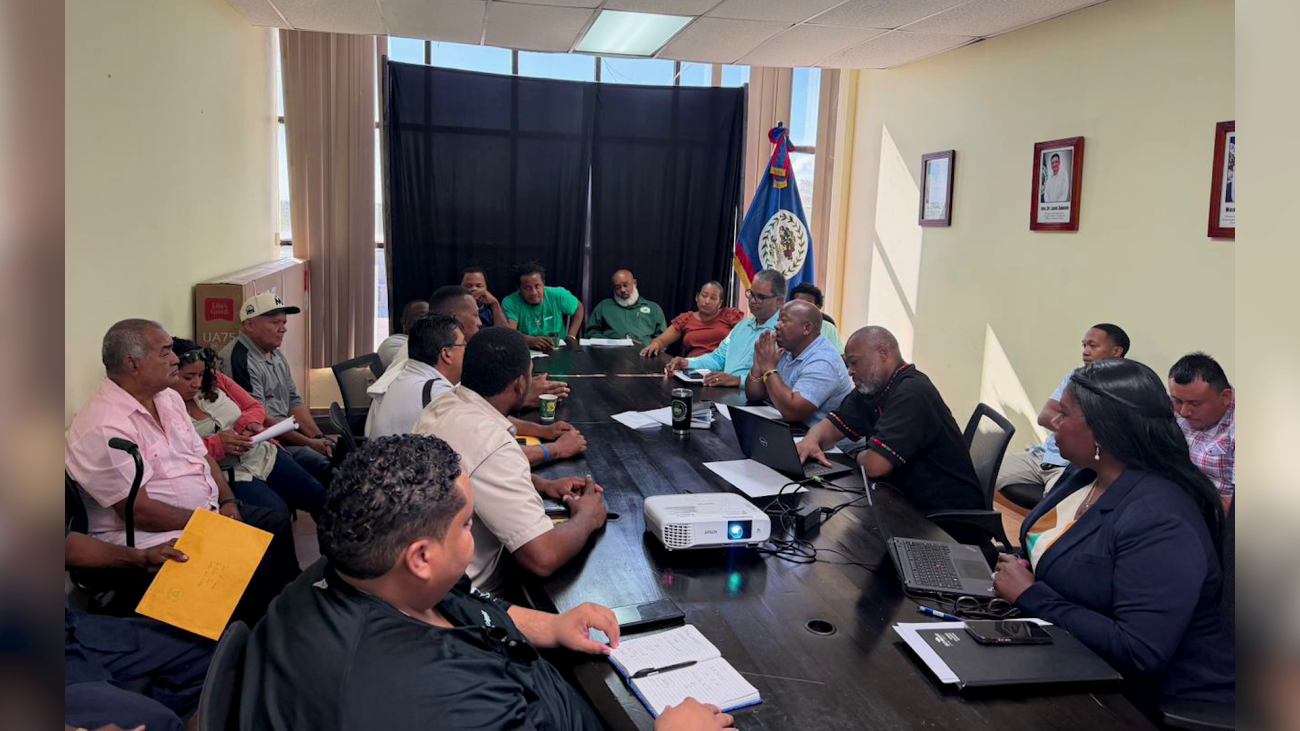
After days of uncertainty, and the real threat of empty bus stops, a deal is finally on the table. Following three tense days of talks and hours of closed door negotiations, government and the Belize Bus Association have struck an agreement that keeps buses rolling and softens the blow for everyday commuters. Starting Monday, May fourth, fares will increase, but only slightly, between fifty cents and one dollar, backed by a diesel subsidy paid for by taxpayers to help operators stay afloat. So how did both sides move from deadlock to deal? What was traded, what was agreed, and who blinked first? We put those questions to Minister of Transport, Dr. Louis Zabaneh, to explain what really happened behind the scenes.
 On The Phone: Dr. Louis Zabaneh, Minister of Transport
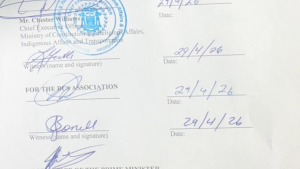
“ We signed an agreement with the Belize Bus Association in which we outlined the points for which we had been working on over the last three days. In summary these are that based on active road service permits, we were able to determine the amount of miles that the various operators are covering per day. And that would lead us to the amount of fuel consumed per day and how much they would be getting based on the three-dollar-per-gallon subsidy. We also looked at the routes where we have stops between various municipalities all along the way with villages and there were adjustments there. A lot of this work had already been done, so that helped. We, as agreed to with Prime Minister, there’d be an adjustment of fifty cents for short stops and up to a dollar for those longer stops. So those were agreed to and we signed off on that a little while ago.”
Shane Williams
“Minister, can you tell us when these will go into effect?”
Dr. Louis Zabaneh
“Yes. The start date would be Monday, May fourth, and it would go for three months after that.”
 Fare Hike Approved as Diesel Subsidy Buys Breathing Room
Buses will roll, and commuters will pay a little more, but not all of it. With a deal now signed and new fares set to kick in this Monday, the Belize Bus Association says the agreement strikes a balance after days of protests, service disruptions, and high pressure talks. BBA President Philip Jones calls it a win for riders, saying operators pushed to make sure commuters didn’t shoulder the full cost of the increase. The compromise includes a temporary government diesel subsidy, giving bus operators breathing room to stabilize routes and improve service over the next three months, while they keep a close watch on volatile fuel prices. After a tense standoff, the question now is whether this deal delivers the relief both sides are promising.
 On The Phone: Philip Jones, President, Belize Bus Association
“ It have been three days and the treaties was a tedious process whereby we have operators from across country to ensure, and the ultimate goal by the Department of Transport and Cabinet was to ensure that the fears was minimal to be increased to the commuters and the and the daily riders. In terms that they had provided the subsidy to offset any increase in fears beyond a dollar. So they are very pleased that their customer now can be a bit relief. Yes, it’ll be a small increase whereby it’s up to a 50 cents or a dollar increase, but won’t exceed in the data. So they’re very pleased that the commuters will not have to see or be at high. Whatever you wanna call it now. So they’re very pleased with the outcome and we asked that we continue to work closely with the Department of Transport to live the field. And they, both sides was happy because they mayor main objective in this. Process was to ensure that the price and the burden does not solely lie on the commuters.”
 How Will Commuters and Taxpayers Benefit from Footing Bill?
Belize’s bus system just got a financial lifeline, but it’s coming at a cost to you. A new agreement between the government and bus operators is easing pressure on the industry, but it also means commuters are paying more at the fare box and through taxpayer-funded subsidies. So, the big question tonight is simple: if Belizeans are paying more, what exactly are they getting in return? We took that question straight to the Minister of Transport and the President of the Belize Bus Association, pressing them for clear answers on service upgrades, reliability, and whether daily commuters will actually feel the difference.
On The Phone: Dr. Louis Zabaneh, Minister of Transport
“The discussion did cover the fact that their road service permits have certain conditions that they need to meet. We did have some conversation about the strategy of the government on modernizing the highway sector and that we’ll be following up in the middle of next month with discussions on the village sector. The government strategy was, has been to create a public-private partnership company. That company is called the National Bus Company, for which membership would’ve been voluntary. However, they decided not to be a part of that and we assured them that the ministry would assist in whatever way possible, based on their choice. So those things were discussed on the first day. Going forward, we expect all bus operators to abide by their road service permits and that we need to do everything possible to improve the service to our commuters.”
Shane Williams
“And speaking of the commuters, with all of this, the commuters and taxpayers are the ones who end up paying. Is the bus association making any commitment to improving service and quality as a result of this agreement?”
On The Phone: Philip Jones, President, Belize Bus Association
“In terms of the workshop, that was the number one priority. Number one priority was service and the commuters. And hence the reason why we took three days to ensure and project what we can achieve within the three month scope. The subsidy is only for a three month period, which will start or be effective Monday the fourth. And this is a lifeline, like I said before. All operators are on board to ensure that they provide high quality service and continue to improve.”
The new rates are set to go into effect on Monday, May Fourth, with shorter drops increasing by as much as fifty cents and long commutes increasing by one dollar.
Attention readers: This online newscast is a direct transcript of our evening television broadcast. When speakers use Kriol, we have carefully rendered their words using a standard spelling system.