


The High Price of Keeping Hudut on the Lunch Menu
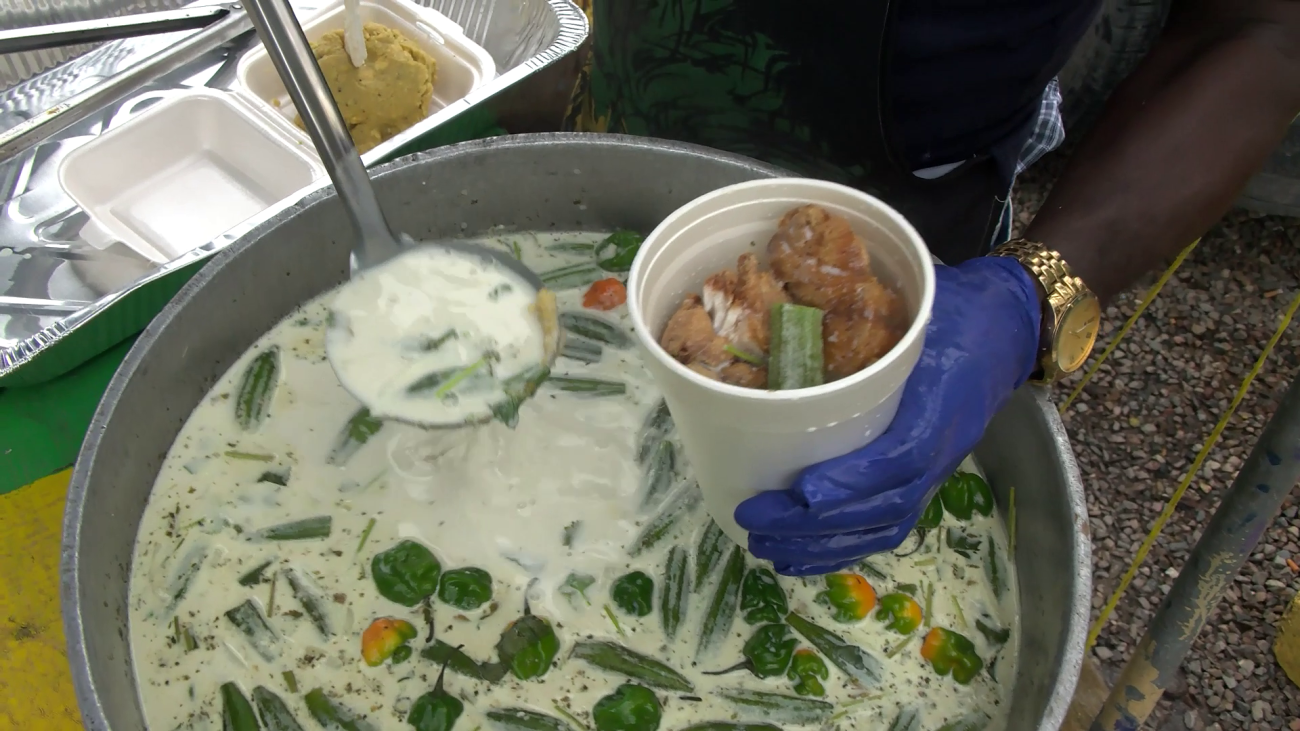
Hudut may be one of Belize’s most beloved traditional dishes, but keeping that tradition on the table is becoming increasingly expensive. The price of everything, from plantains and peppers to packaging, continues to rise. Add hours of preparation and physically demanding labor, and vendors face a difficult choice: absorb the added expense or ask customers to pay more. News Five’s Paul Lopez takes us inside the kitchen to uncover the true cost of a plate of hudut.
 Paul Lopez, Reporting
Before hudut reaches the table, someone has already paid the price in time, labor and rising ingredient costs. This traditional Garifuna dish has fed generations and won over Belizeans from every community. But at Naked Chicken, Chef Ainsley Castro says preparing it now costs considerably more than it did just a few years ago.

Ainsley Castro
Ainsley Castro, Chef, Naked Chicken
“Ah wah be real, deh yah plantain dah mih two fuh dollar. The size of these, but even like before this nineteenth, dah mih still two for dollar. But if you guh buy this right now, it’s like seventy-five cents for one. Okro, you see how I buy it, right? But right now, okro dah whole ah eight dollars a pound. Last week, okro was three dollars a pound. But I play smart and buy from last week. Habanero pepper, you can’t have hudut without habanero pepper. Deh wah twelve dollars a pound last week. But I manage to get it for the same twelve. But it’s fifteen a pound they want it fah.”
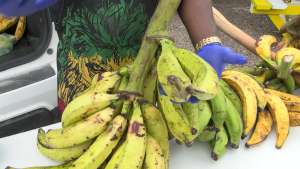 Plantains, okra and habanero peppers are only the beginning. Add cilantro, coconuts and fish, and the bill climbs even higher. Each increase cuts into what vendors earn from a single serving. But the market receipt tells only half the story.
 Ainsley Castro
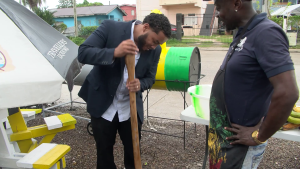
“Yo beat and yo turn, take your time. Yo got it. Correct. Just continue beat.”
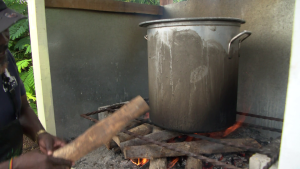
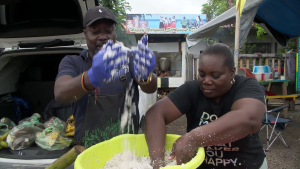
Hudut cannot be rushed. Long before a customer places an order, the coconuts must be processed, the fish cleaned and seasoned, and the plantains boiled and pounded into the smooth consistency that defines the dish. For kitchen assistant Deletha Sabal, that means spending up to an hour stirring over the intense heat of the fyah heart.
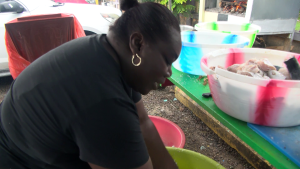
Deletha Sabal
Deletha Sabal, Assistant, Naked Chicken
“Normally thirty to thirty-five minutes. When you are busy, you don’t count the time.”
 Paul Lopez
“This is a labor of love.”
Deletha Sabal
“Yes, you got that right. That is the main ingredient, love. I think they don’t have any wrong way. It’s how it tastes when it’s done. So everybody cooks in their own way.”
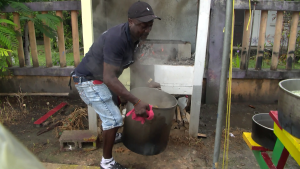 It is demanding work that most customers never see and may never consider when looking at the price on the menu. Yet that labor is as essential as any ingredient in the pot. And after all that preparation, each serving still must deliver the taste, quality and portion customers expect.
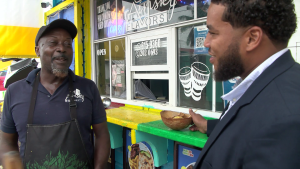 Ainsley Castro
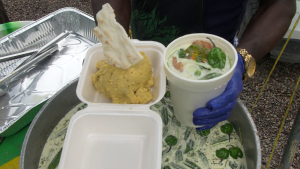
“I do it in the sixteen-ounce cup. Then your plantain separate. But you get your nice piece of fish, fully loaded hudut, your fresh coconut milk. In Garifuna, we call it “faluma”; okra, “nehu”; banana dah “bimina”; plantain dah “baruru.” Yes, I.
Chef Ainsley says maintaining that standard is becoming harder. Customers may focus on the final price, but restaurant owners must calculate every expense, including the items that never make it onto the plate.
 Ainsley Castro
“Like weh I explain to you with the prices I pay earlier, when I do my costing, I will definitely take it, because from the cup I serve in went up, from the plastic bag I put it in gone up, from the fork weh you the eat it with gone up.”
Paul Lopez
“How customers feel bout it?”
 Ainsley Castro
“I think they realize, because they go buy for themselves. So they see it. It’s not like I’m just doing it.”
That leaves vendors walking a tightrope between affordability and survival. Charge too little, and the business absorbs the loss. Charge more, and some customers may no longer be able to afford the meal. Either way, the rising cost of living is also raising the price of preserving Belize’s culinary traditions, one carefully prepared plate at a time.
 Paul Lopez
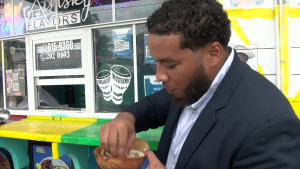
“Yah bway. Ih hot, but ih good, fresh. Really nice plantain, coconut, okra, even the fish. Fish fry really good. Bway, mih favorite.”
Paul Lopez for News Five.
Attention readers: This online newscast is a direct transcript of our evening television broadcast. When speakers use Kriol, we have carefully rendered their words using a standard spelling system.
Watch the full newscast here: