



Too Many Drones? Belize Debates Safety, Growth, and Control of the Skies
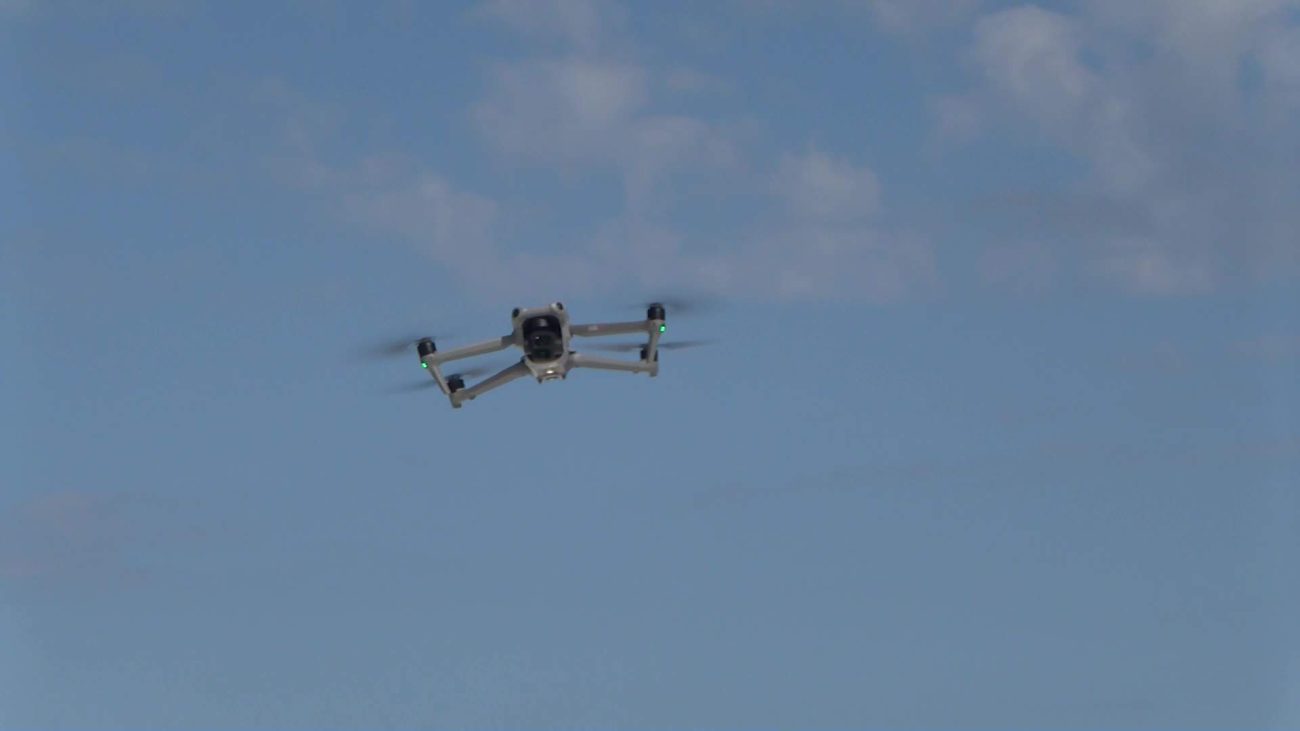
Drones are becoming a common sight over Belize, from construction sites and farms to real estate listings and media coverage. But as more of these aircraft take to the skies, an important question emerges: how much freedom is too much in an already crowded airspace? Belize’s skies are unique: low flying planes, busy tourism routes, and dense urban areas all compete for the same limited space. Now, aviation authorities say the growing number of drones could pose real safety risks if left unchecked. The Belize Department of Civil Aviation has launched a public consultation on a proposed operational directive that would introduce binding rules for all drone operators nationwide. Supporters argue it’s a necessary step to protect lives and aircraft. Critics warn it could disrupt businesses and livelihoods that depend on drone technology. As the consultation unfolds, the debate centers on a bigger issue: can Belize balance innovation and economic growth with the need to keep its skies safe, and who gets the final say? Here’s News Five’s Isani Cayetano.

 Isani Cayetano, Reporting
When it comes to aviation safety, drones may be small, but their impact can be huge, especially in cities and towns. Belize City is already packed with people, buildings, and traditional aircraft, all sharing a very limited slice of sky. Without clear rules in place, uncontrolled drone use can quickly turn that crowded airspace into a safety risk, threatening not just efficiency, but the reliability of the entire aviation system.

Nigel Carter
Nigel Carter, Director of Civil Aviation
“So the Department of Civil Aviation, in keeping with its international obligations for keeping the skies safe over Belize, is in the process of implementing an operational directive.”
That guidance is an Aeronautical Information Circular issued by the Belize Department of Civil Aviation. In simple terms, it kicks off the public consultation for a new set of operating rules aimed at small, unmanned aircraft systems, better known to most of us as drones, here in Belize.
 Nigel Carter
“We are now receiving information, or concerns from the drone operating public which is what the intent of the consultative process is, for us to understand and hear people, after which we will review those concerns and then we will meet with the drone operating public to basically explain to them where we stand on each of those concerns.”
 And it’s not just about flying drones for fun anymore. These devices are increasingly becoming essential tools across several industries. In real estate, drones are being used to capture aerial views of properties. They’re also paired with Geographic Information Systems, better known as GIS, to map and analyze land. Add to that their growing role in land surveying and even agriculture, where drones are helping farmers monitor crops and manage fields more efficiently.

Jose Antonio Texocotitla
Jose Antonio Texocotitla, Course Trainer (File: December 2nd, 2024)
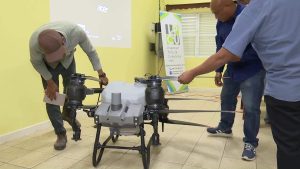
“This drone handling course is going to be four and a half days long. It’s going to be sixty percent theory, forty percent practice and we aim to give the basis of the agricultural and drone piloting needs that every participant should have before being able to recognize that the most common troubles in agriculture and also be able to bring an optimal solution. We are going to start with a drone overview, their components, the handling, the assembling and disassembly of the most common parts. Of course, we are also going to have some words from the Ministry of Civil Aviation so they can know the regulations.”
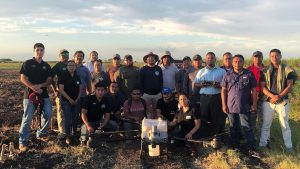 The proposed directive would set clear, mandatory rules for all drone use in Belize, replacing the patchwork of approvals now in place. It would standardize licensing and operating limits, while bringing Belize’s drone laws in line with international aviation standards used in the U.S., Europe, and by global aviation authorities.
Nigel Carter
“The primary area of concern is safety, aircraft safety. We have a very unique operating airspace. If you go to the US, the airplanes take off in the vicinity of the airport, and they immediately go right up to thirty thousand feet and they operate at thirty thousand feet. In the Belize airspace, in many instances, the airplanes at about five hundred feet even when en route. And so we have to be very careful not to create a mix of manned and unmanned aircraft in the same vicinity, lest we could reduce the level of safety.”
 Drone operators are raising red flags because these rules aren’t optional. Operational Directives carry the force of law, and failing to comply could bring penalties. The changes would directly impact businesses, media organizations, surveyors, and technical professionals who rely on drones to do their work. If consensus is not reached, what recourse do stakeholders have?
 Nigel Carter
“I’m not sure how to answer you, but what I can say to you is that the Department of Civil Aviation is here to listen to the concerns of all parties. We have to be able to protect manned aviation. It is one of the pillars of our bread and butter, tourism, and if we don’t protect it, it could be disastrous. It could have severe socioeconomic impact for the Belizean society, so we have to be able to protect manned aviation.”
Isani Cayetano for News Five.
Belize’s drone operators are calling an emergency meeting this evening to talk through the consultations now underway and what Civil Aviation’s new operational directive could mean for the industry. This is a developing story, and we’ll have the latest for you in Wednesday’s newscast
Facebook Comments