


Too Many Drones, Not Enough Rules. Who’s in Control?
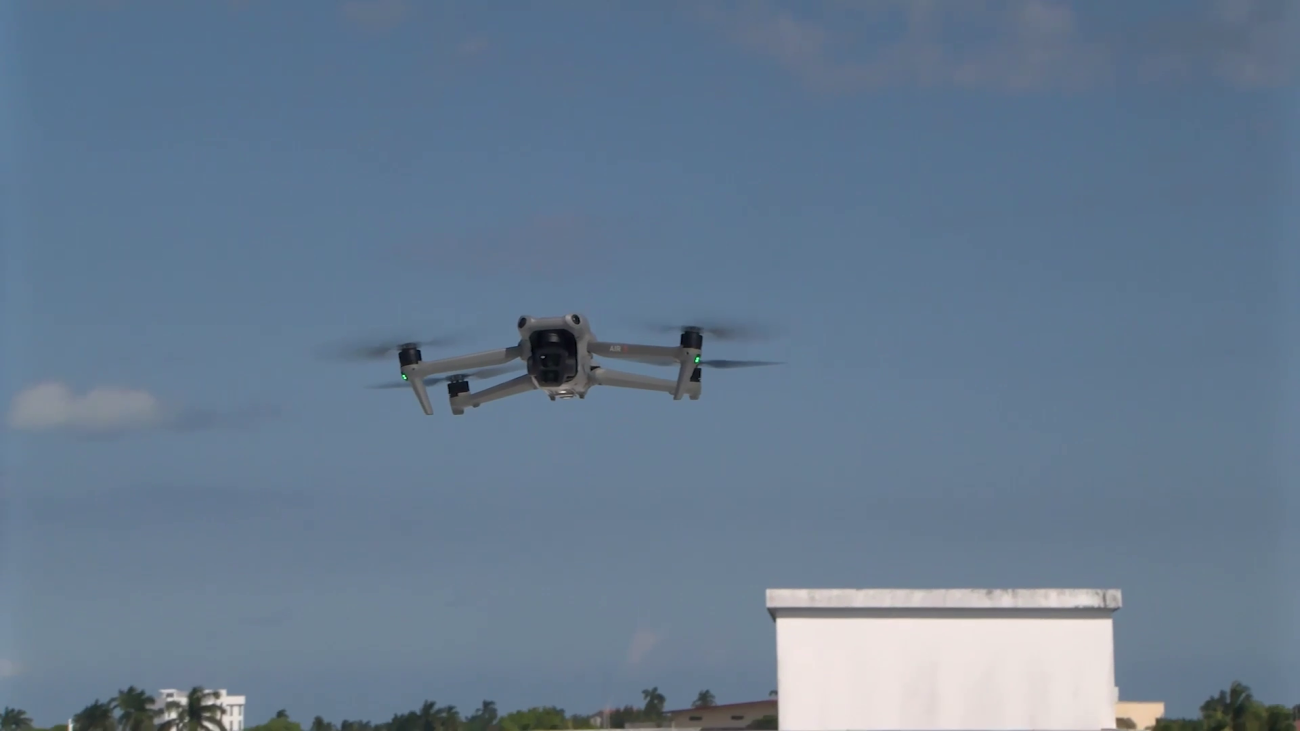
Belize is getting serious about who’s in its skies, and who’s watching from above. As drones become more common, the Civil Aviation Department is moving to tighten the rules, aiming to protect both safety and privacy. It’s about keeping pace with fast-changing technology that’s now part of everyday life, not just about regulation. At a recent consultation, hobbyists, business operators, and concerned residents all had their say. From backyard flyovers to commercial use, Belizeans made it clear that drones bring opportunity, but also unease. Officials say they’re listening. The challenge now is finding that sweet spot, where innovation can thrive without putting people at risk or under unwanted surveillance. The conversations aren’t over, but Belize’s skies are getting busier, and the rules are about to catch up. Zenida Lanza reports.
 Zenida Lanza, Reporting
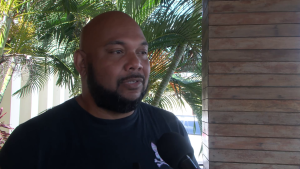
Fifty-five pages of new drone rules, on the table and under review. Today, drone operators, hobbyists, and industry players gathered to break it all down at a Civil Aviation Department consultation, trying to figure out what’s changing and how it affects them. For some, it’s about compliance. For others, it’s simple curiosity. Jared Garcia, a professional DJ who’s been flying a drone for nearly two years, showed up to get a closer look. He uses it for scenic shots and events and says he just wants to stay ahead of the curve as the rules evolve.
Jared Garcia
Jared Garcia, Drone Hobbyist
“Well, as a drone operator, we follow the international rules anyways. I mean getting your drone license comes with a set of rules already. So my main focus here is to see if they will add anything to that or subtract anything and how that will affect me as a drone operator basically, you know.”
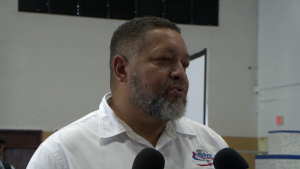
Jared is part of a growing wave of drone operators in Belize, but many aren’t licensed. That’s the concern, according to Civil Aviation. Officials say most operators are flying unregistered, leaving no way to track them if something goes wrong and raising red flags about privacy. Director Nigel Carter says that’s why regulators are moving now, to get ahead of the risks before they grow.
Nigel Carter
Nigel Carter, Director of Civil Aviation
“We don’t want to wait for there to be accidents involving aircraft. We don’t want for there to be more and more reports from persons saying, ‘Hey you know, the drone was peeking through my window.’ You know? we don’t want to get those reports. So we’re better off telling people no, what they can and what they cannot do, and ensure that they try to follow those.”
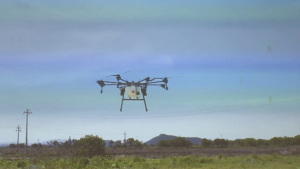
Beyond hobbyists, drones are playing an increasingly significant role in Belize’s agriculture sector. Agrobotics have been using larger commercial drones to spray fertilizer on crops for four years, flying daily during the rainy season. Operator Carlin Strite says drones fill a gap that traditional methods simply cannot.
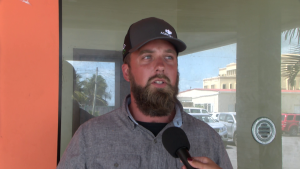
Carlin Strite
Carlin Strite, Drone Operator, Agrobotics
“Drones provide a unique, specific use in agricultural spraying. So we have ground rigs, and we have crop dusters already in the country, but there are some things that both of them can’t do, and the drone can fill that, that little niche. Particularly when the ground is muddy, the ground rigs can’t get in.”
Civil Aviation says compliance shouldn’t be a burden, with registration and licensing fees at about thirty dollars each, it’s a small price compared to drones that cost thousands. But operators like Strite say the rules need clarity.
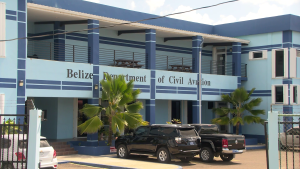 Carlin Strite
“The biggest problem we have had with the rules is that they’re constantly changing, and they have never come out with a exact set that we need to adhere to. So it’s very confusing, I would say is the biggest thing, is that they need to standardize it. And obviously we would prefer less restrictions, but understand that safety is an issue.”
Safety is driving the push for new drone rules, even without a local risk assessment. Civil Aviation officials say they’re acting early, not waiting for problems to happen. Instead, they’re leaning on international standards to guide Belize’s approach and prevent issues before they take off.
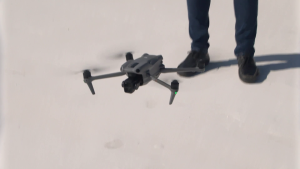 Nigel Carter
“Operating a drone inside of a concert for instance, there needs to be guidelines on how that is done, otherwise somebody could get hurt. And the government of Belize needs to be responsible. We need to ensure that we can protect all those concert goers, we need to protect those persons inside airplanes; we need to protect those persons that are in their own homes from any breach of their privacy or any unsafe situation that may occur to them.”
The consultation also drew input from the Belize National UAS Industry Association, a group formed to unify drone operators and ensure their voices are heard in shaping policy.
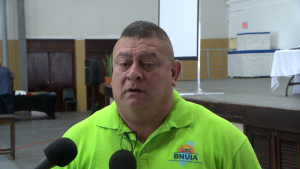
Will Moreno
Will Moreno, President, BNUIA
“ I do believe today’s consultation was good. We noticed there was a change in tone from the very first time that we were sending communication back and forth, and that is what we’ve been advocating for, for us to be heard as drone pilots. We want safe airspace, but we just don’t want the regulations to be so wordy or legally verbose to the point that it’s not understandable for just any person that wants to operate, like in a hobby capacity. It needs to be something where it is easy to understand and, a lot of other countries, they even go into diagrams to be able to show what they’re looking for.”
Civil Aviation says the new rules aren’t stricter; they simply formalize what’s already happening. Now, the department is giving the public two more weeks to weigh in before moving ahead. Reporting for News Five, I am Zenida Lanza.
Attention readers: This online newscast is a direct transcript of our evening television broadcast. When speakers use Kriol, we have carefully rendered their words using a standard spelling system.
Watch the full newscast here: