



Turneffe Upgrades Aim to Protect Reef and Visitors
Belize’s marine treasures aren’t just beautiful, they’re also vital. And one of them, the Turneffe Atoll Marine Reserve, is about to see big changes. Instead of waiting for problems to pile up, government and conservation partners are moving proactively to protect the atoll while improving the experience for the thousands of visitors who explore it every year. So, what will actually change on the water, and why now? News Five’s Benita Keme‑Palacio headed out to Turneffe for a firsthand look at the upgrades that could change how Belize manages its protected areas. Here’s her report.
 Benita Keme-Palacio Reporting,
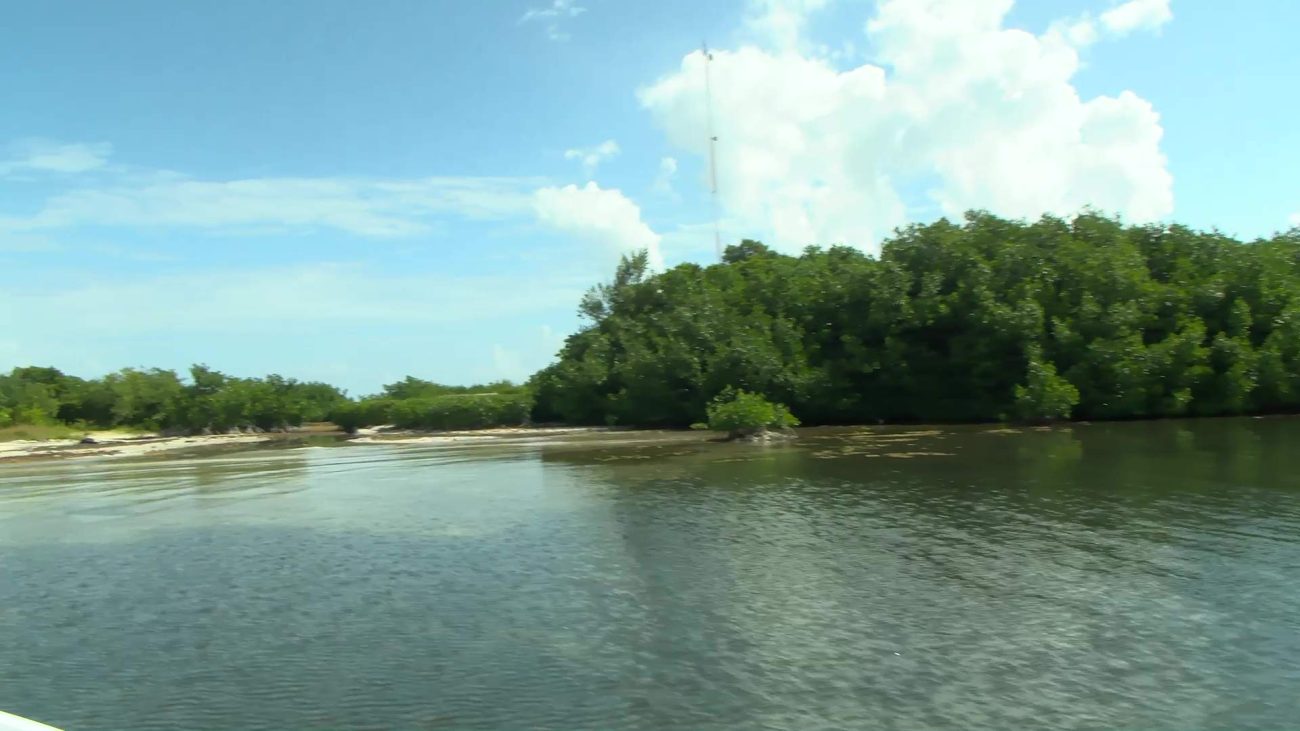
Over clear turquoise waters and winding mangrove channels lies one of Belize’s most treasured marine ecosystems: the Turneffe Atoll Marine Reserve. Just twenty miles east of Belize City, it is the largest and most ecologically diverse coral atoll in the Western Hemisphere. Here, conservation and tourism must work hand in hand to keep this natural jewel thriving. But protecting an ecosystem of this scale requires constant effort and most importantly, resources.
Valdemar Andrade
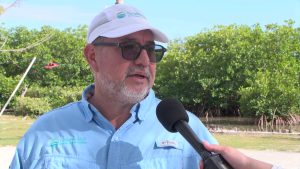
Valdemar Andrade, Executive Director, TASA
“These are funds that are very hard to come by in our business, but these are very necessary funds as well. One of the ideas behind these kinds of programs is for us to generate our own revenues at the end of the day. And so in this program, we are looking at how do we enhance the tourism facilities so that tourists, whether you are a foreign or local visitor, to engage with the natural resource that we have at the Turneffe Atol Marine Reserve.”
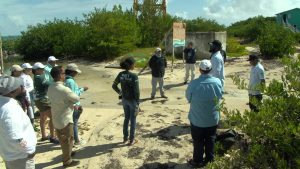 At Turneffe, improvements are planned at three sites: the Mauger Caye, Calabash Caye, and Caye Bokel, each serving a unique role in enhancing the management of the reserve. At Mauger Caye, a new pier and better visitor facilities will make getting onto the island smoother and safer. Over at Calabash Caye and Caye Bokel, new visitor centers will do double duty, teaching tourists about the atoll’s fragile ecosystem while giving rangers the space they need to protect it. But the upgrades aren’t just about buildings. The real goal is to connect what visitors learn on shore with the conservation work happening in the water every day, so more people understand why Turneffe needs protection.
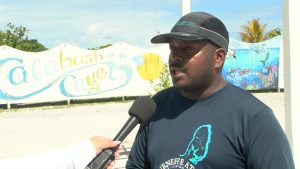
Hubert Gillett
Hubert Gillett, Financial Sustainability Manager, TASA
“What it’s gonna be doing is gonna allow visitors to have a nice place that they can be received when they are here at Calabash Caye, and it also acts as another avenue that we can touch base to these visitors, and as long as we touch base with them, what it does it allows us to then garner more donation. And that donation then rolls over directly into our enforcement, into our adaptive management program, our education and outreach, and also our tourism management. So it’s a holistic approach, but it’s something that will work very well for us to garner as much as we can from all our visitors.”
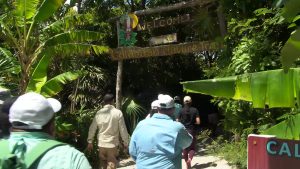 Government and conservation agencies recently visited Turneffe Atoll to see firsthand where TEPA, the Tourism Enhancement in Protected Areas Program, will support both tourism and conservation. The program brings together partners to ensure the atoll can thrive both as a protected ecosystem and a world-class destination.
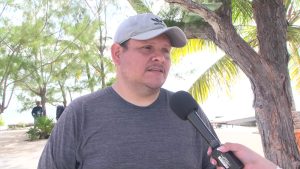
Abil Castaneda
Abil Castaneda, Executive Director, PACT
“They have been able to show us the facilities that they currently have, but also where their vision is to continue to build the tourism product, the facilities and services they provide, which in turn will assist them in building their sustainable financing of the protected areas so they can continue to do the incredible work that they do. What we see today, is that this progressive organization has been able to take this jewel, this Atol, to be able not just be focused on just the marine conservation, but really being able to garner a system that the economic model works, a system where education works.”
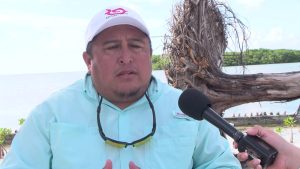
Darcy Correa
Darcy Correa, Tourism Officer, MTDR
“This actually, could be a model when it comes to sustainable tourism, and when it comes to marine protected areas, where TASA has been doing a very good job in actually doing that sort of balance between the environment and tourism.”
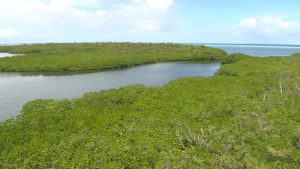 Maintaining this delicate ecosystem is no easy task. So how can Belize develop tourism while ensuring its protected areas remain well-funded and well-managed?
Abil Castaneda
“Belize has always had this unique approach to tourism. It has always been conservation and a tourism approach, and it has been built around ecotourism, sustainable tourism, and later on responsible tourism. So, PACT is responsible for financing the conservation work and the development work within protected areas, the Belize Tourism Board is responsible for marketing and product development of our tourism product, so we found that it was a very good opportunity for us to come together and really look at what we need to do at our protected areas to build the product offering, but also to ensure that whatever we do from a tourism point of view, we are maintaining our environmental and social safeguards.”
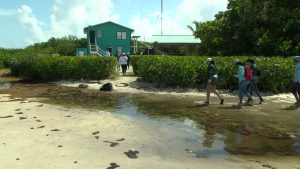 And as these parts of our Jewel draw visitors from all over, they’re still our backyard, places Belizeans can explore, enjoy, and help protect.
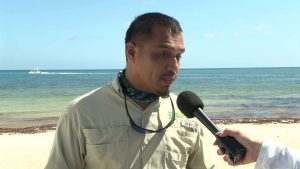
Saul Cruz
Saul Cruz, Director, National Biodiversity Office
“I think we should encourage all Belizeans, to visit these sites. These are our natural assets, these are parts of the jewel that we are managing, that people from across the world travel to see. And I think for Belizeans to really appreciate the work that rangers do, the work that everyone does, is to visit these sites, and when you come to these sites, be responsible and enjoy the sites as best as you can, and carry on being ambassadors of these sites, and speak of the good work that our protection managers do every day here.”
From the Turneffe Atoll, I am Benita Keme-Palacio for News Five.
Attention readers: This online newscast is a direct transcript of our evening television broadcast. When speakers use Kriol, we have carefully rendered their words using a standard spelling system.
Watch the full newscast here:
Facebook Comments