


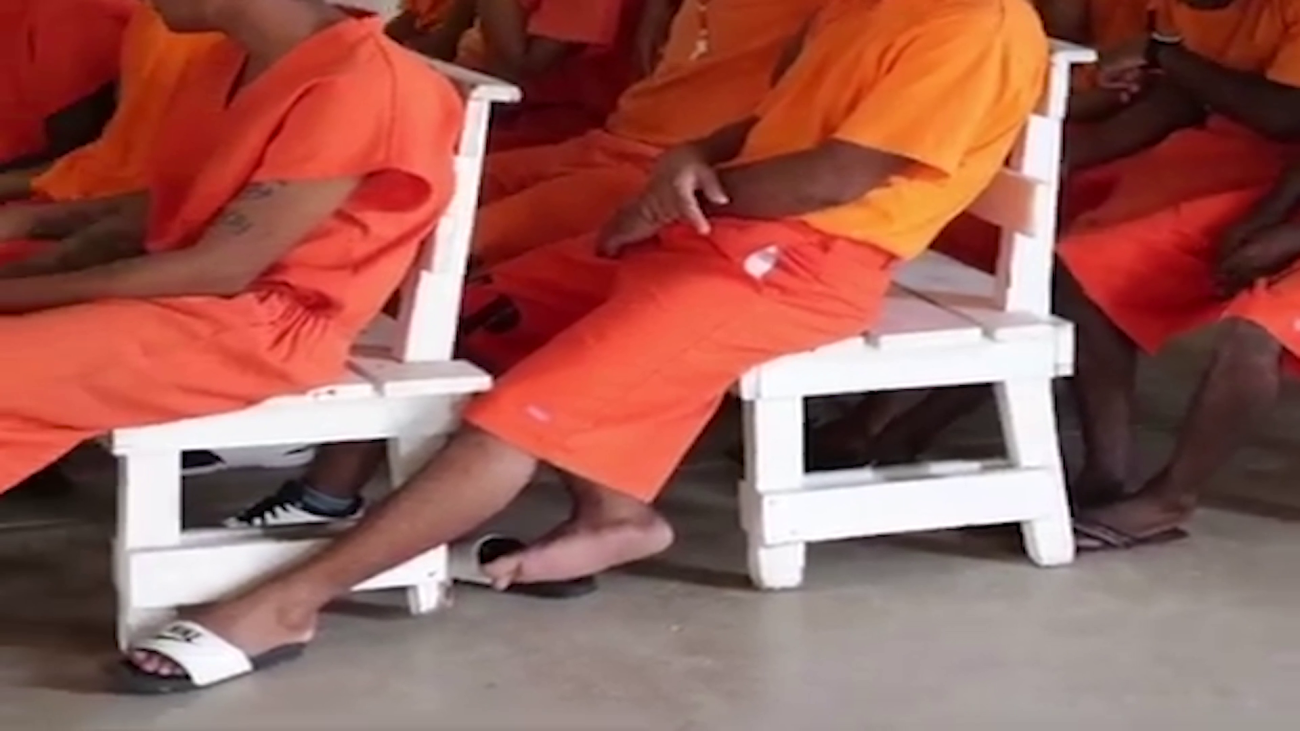
UB Reviews Wagner Facility’s Restorative Justice Program
For the University of Belize today, talk turned into action. At a national restorative justice symposium, UB criminal justice students presented fresh research on Wagner’s Youth Facility, examining whether rehabilitation is truly breaking the cycle for young offenders. Their findings show real progress toward a more rehabilitative approach, but they also highlight gaps that still need fixing. Facility Director Shahir Acosta welcomed the study, while researcher Shaheed Mai outlined recommendations, turning student research into a roadmap for reform.

Shaheed Mai
Shaheed Mai, Criminal Justice Student, University of Belize
“Myself, along with two of my other classmates, we did a case study research specifically looking at restorative justice in youth detention facilities and the Wagner’s facility being one of the primary youth facilities that deal with these types of youths, no? Specifically male.”
Shane Williams
“And what did the findings suggest?”
Shaheed Mai
“Based on our findings, we were able to see that, one, the Wagner’s facility is working. However, we identify some specific gaps in terms of vocational training, higher educational access and training. Some of the young men that are currently in the facility, they express the need and want to do more, and they express the need and want to not be seen as Mr. Acosta had identified, to be seen as inmates and so forth. They wanted the opportunity to go back into their community and to, one, respond to the community, and two, give back.”
Nasir Acosta
Nasir Acosta, Director, Wagners Youth Facility
“For you to be able to have the drive internally to want to make amends to society, you have to have first an understanding of your own self, and that’s an issue that we have with a lot of the youths. They come, and they don’t fully understand their own emotions or their own feelings as to how they ended up here and how I’m going to navigate this world when I don’t fully understand my own feelings? So that’s where the therapeutic approach has to come in first so that they understand where they went wrong. They have to have understanding of myself, emotions, where I went wrong, so I can find my place in society then so that I can make amends for what I’ve done and how I can try to do better going forward.”
Acosta adds that preparing these young men for life after detention is central to reducing repeat offenses.
Attention readers: This online newscast is a direct transcript of our evening television broadcast. When speakers use Kriol, we have carefully rendered their words using a standard spelling system.
Watch the full newscast here: