


UK Assesses Progress of Community Led Climate Change Mitigation
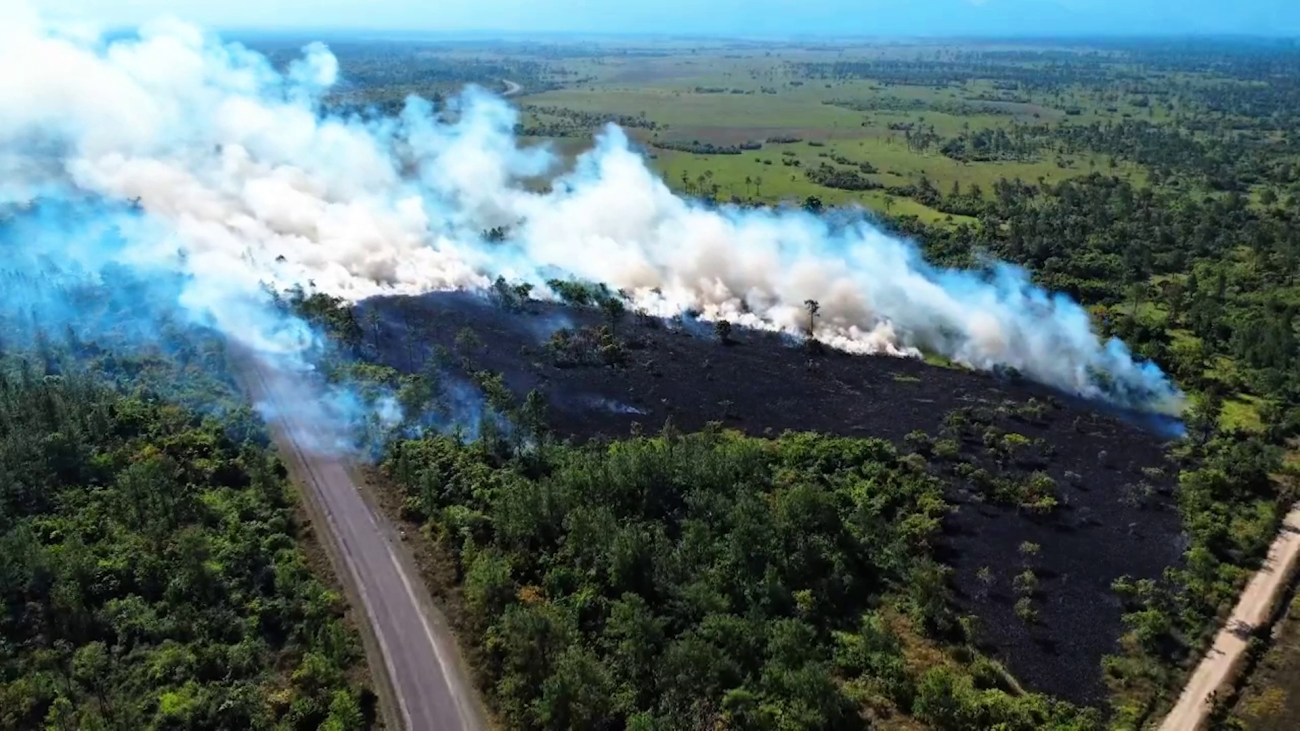
Protecting Belize’s forests and biodiversity is not just about drawing boundaries around protected areas. It is also about empowering the communities that depend on those natural resources to protect them. That is the thinking behind the UK-backed Biodiverse Landscapes Fund, a seven-year regional programme supporting conservation, climate resilience and sustainable livelihoods. Today, stakeholders gathered at the British High Commissioner’s residence to assess how far the initiative has come, what it has achieved and what more needs to be done before the programme ends. Shane Williams reports.
 Shane Williams, Reporting
Seven years of funding is a big investment in protecting nature and fighting climate change. But the real test is what is left when the money runs out. That was the question at today’s forum, where British High Commissioner Alistair White, the Wildlife Conservation Society, other partners and community members came together to look at the Biodiverse Landscapes Fund. WCS Country Director Nicole Auil Gomez says the programme also reaches Guatemala, Honduras and El Salvador, and that its goal is to empower communities, not institutions.
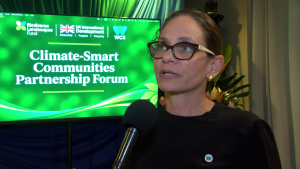
Nicole Auil Gomez
Nicole Auil Gomez, Country Director, Wildlife Conservation Society
“It’s a seven-year project, and we’re in year four at the moment. And in 2024, each organization worked with their local stakeholders and local community groups to develop these community climate smart development plans. And these development plans were really coming from the ground up where communities identified the issues that they see in their environments related to the changing climate around us. And so that can be from droughts and fire and more rainfall in certain times. So the threats that we’re seeing or that the communities are seeing, the plan helped identify and then what they needed to do to address these threats. So the interventions that they propose really come from their community experience.”
White says there is already some measurable results, primarily because the solutions are coming directly from the community.
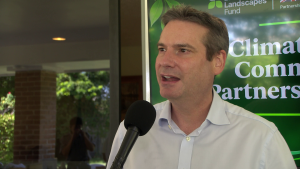
Alistair White
Alistair White, British High Commissioner
“It’s the communities that know what solutions are going to work for them. They know what the impacts of climate change are for them and they know what’s going to work and I think actually that’s the most important and impressive part of this whole program and initiative because you’re working with the communities, not to the communities or for, you know, it’s a proper partnership and just means the solutions are going to work rather than being something that’s jumped up in an academic institution six hundred miles away. It’s actually something which is practical and then community-led and community-owned.”
The programme’s success also depends on whether local communities have the knowledge, resources and ownership to sustain these efforts long after the funding period ends. Kadisha Augustine works with the Mahogany Heights community to develop their climate resilient strategies.
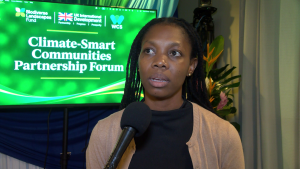
Kadisha Augustine
Kadisha Augustine, Community Resilience Coordinator, Wildlife Conservation Society
“Respective to Mahogany Heights, they identified wildland fire as a risk within their community. And under BLF, they were provided a portable water tank, as well as support for the school, since they identified heat as an issue. Fans were provided to the schools, as well as some elderly within the community as well and training equipment for their fire brigade.”
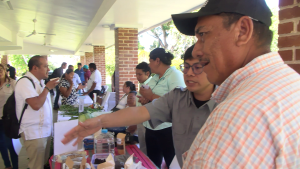 Gomez says this is why community participation remains central to the initiative, particularly in Indigenous communities and areas where livelihoods are closely connected to the forest, because each challenge is unique.
Nicole Auil Gomez
“So each is unique. Each is specific to their community context, and this initiative is really targeting bringing togetherness. So highlight the problems, highlight the solutions the communities have come up with and see how Belize can advance.”
Shane Williams for News Five.
Attention readers: This online newscast is a direct transcript of our evening television broadcast. When speakers use Kriol, we have carefully rendered their words using a standard spelling system.
Watch the full newscast here: