



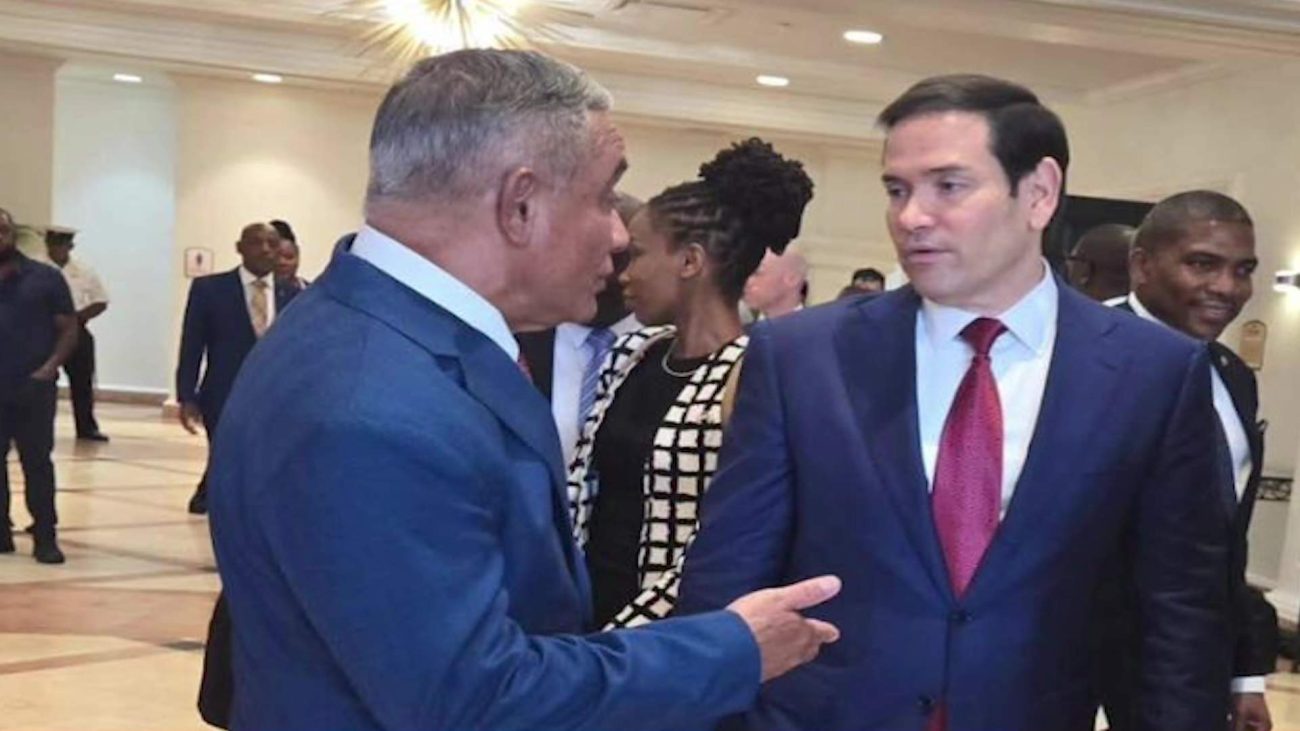
Washington Signals Bigger Role in Caribbean Affairs
Caribbean leaders wrapped up their fiftieth CARICOM Heads of Government meeting in Saint Kitts and Nevis this week, but much of the buzz wasn’t about the agenda, it was about who showed up. U.S. Secretary of State Marco Rubio’s presence raised eyebrows, and questions quickly followed about the real purpose behind his visit. Today, Prime Minister John Briceño shared what came out of those closed‑door talks. According to the PM, Washington wants a bigger role in regional affairs, and the discussions zeroed in on migration, transnational crime, and development across the Caribbean.
 On the Phone: Prime Minister John Briceño
“It is a big deal whenever the secretary of the U.S. plans to come to our meetings. It does not happen often. As you know, Secretary Rubio has stated that he wants to give more attention, along with President Trump to the region, to Latin America, South America and the Caribbean. And he took the opportunity to come and speak with us on several issues. Of course, Cuba being one of them and the issues of migration and how it is affecting the region and looking at how there can be closer collaboration between the U.S. and CARICOM on developmental issues that we may be facing. Whenever the Secretary of State of the U.S. visits the region it is a big deal. The U.S. has the biggest and strongest military in the world, the largest economy. So, when they come they will influence one way or the other, for better or the worse, the region.”
 Belize Sounds Alarm on Mexican Cartels Influence
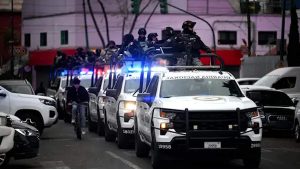
Caribbean leaders have just wrapped up the fiftieth CARICOM Heads of Government meeting in Saint Kitts and Nevis, but the real headline came from behind closed doors. Belize’s Prime Minister, John Briceño, says high‑level discussions with U.S. officials went far beyond migration and regional development. In a one‑on‑one meeting, he told the U.S. Secretary of State that Belize is facing an escalating threat from Mexican cartels. The PM says he made it clear that without stronger U.S. support, those criminal networks could reshape Belize within the next decade.
 On the Phone: Prime Minister John Briceño
“In a side I had the opportunity to speak with him alone and also in the caucus with him and I brought up the issue of narco-trafficking and transnational crime, which he brought up in the caucus with us, the issue of transnational crime. I pointed out to him that we in Belize feel vulnerable because the cartels are now coming south and you already have the Caborca Cartel, which is not one of the major cartels in Mexico but it is a big one, already operating in the Quinta Roo Area and the border with Belize. And I was telling him that Belize needs help. We are doing everything possible to fight these people off, but we need more equipment, more timely information or intelligence. We need training. And I was making the point, and this is the point I have been making since I became prime minister whenever we meet with the Americans, we need help now. We don’t need help five or ten years from now, because if we don’t take decisive action now, quite likely, ten years from now, we could be seeing a different Belize.”
Caution Urged Despite Calmer Conditions in Mexico
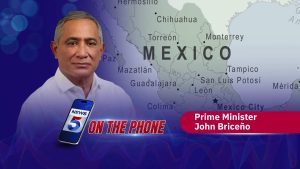
Regional security remained a major concern this week, and that urgency hit closer to home after Belize raised alarms about cartel activity spreading south. Following those warnings, the government issued a travel notice for Mexico as violence flared across the border. Today, Prime Minister John Briceño told News Five that conditions there have since calmed, but he urged Belizeans to travel with caution. Here’s how he explained it.
 On the Phone: Prime Minister John Briceño
“I think that things seems to have settled down somewhat. And I will say is that if you find it necessary to travel to Mexico to do so with caution and to be careful and be on the lookout at all times, because you can never be too careful about what can happen. But that happens anywhere. You can be in Belize City and then a car drives and lose control and runs into your car or something. So, to be cautious, careful if you feel the need to go to Mexico. Mexico continues to be one of our most important partners and allies and as such we need to be able to continue to support them in any which way we can.”
Attention readers: This online newscast is a direct transcript of our evening television broadcast. When speakers use Kriol, we have carefully rendered their words using a standard spelling system.
Watch the full newscast here:
Facebook Comments