


Why Belize Said No: Young Says COP31 Text Risked “Going Backwards”
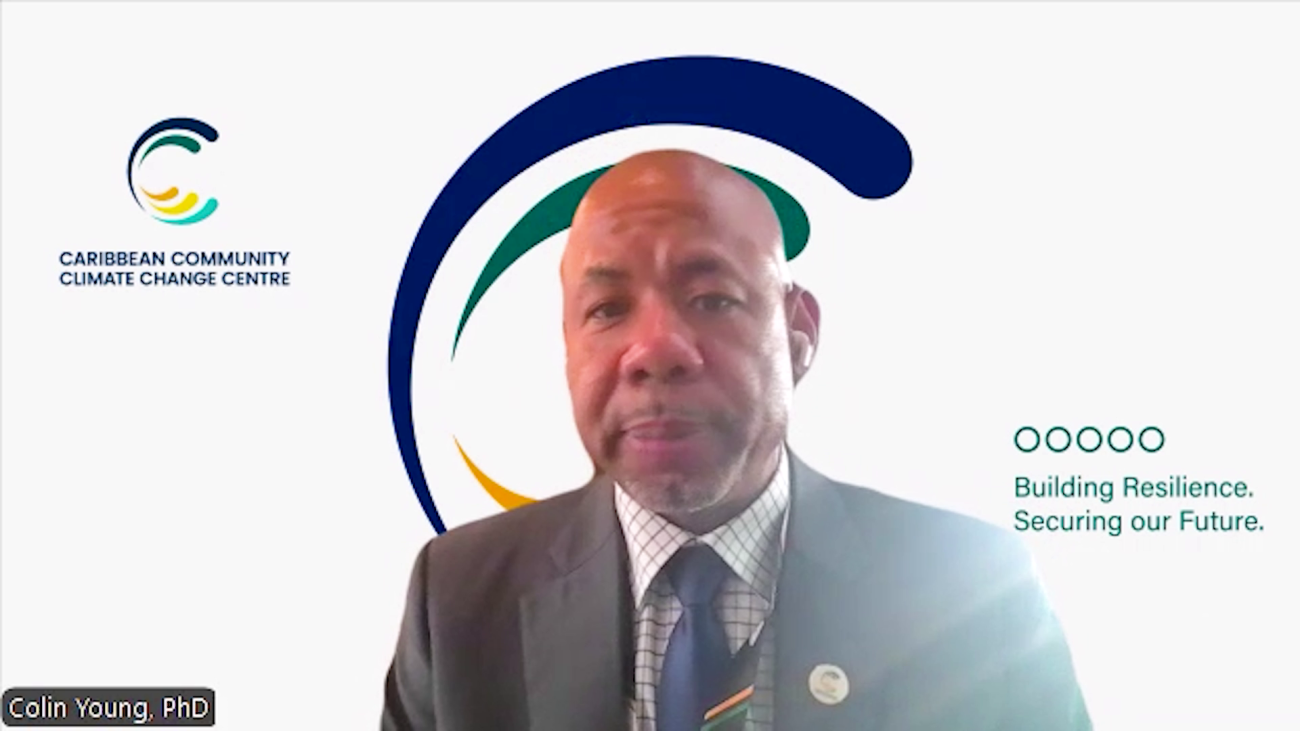
Two weeks of grueling negotiations in Türkiye, at COP31 collapsed into historic overtime. This comes after major oil-producing nations successfully stripped all mention of transitioning away from fossil fuels from the final agreement. Refusing to accept a deal that would roll back previous climate commitments and leave vulnerable nations without concrete adaptation funding, Belize aligned with several small island developing states and the European Union to block the consensus. Earlier today, we spoke with Dr. Colin Young, Executive Director of the Caribbean Community Climate Change Centre, who recently returned from the conference, about Belize’s decision and how it sits with the rest of the region.
Dr. Colin Young, Executive Director, Caribbean Community Climate Change Center
“I think every country has in its own national right to take the positions that they take. I listened to Belize’s statement, and what they were saying is that they as a country and as a party to the agreement, they were not prepared to accept an outcome, that did not move the needle or may actually be hurting us in the long run, right? And I believe while CARICOM was disappointed, from the statement that they put out in the outcome, I think we all to some extent should be disappointed because we went there to try to get a particular outcome and it, we did not secure all of those things that we wanted. But I didn’t, I don’t see CARICOM’s statement being inconsistent with the with the statement made from Belize and from other CARICOM countries who would’ve said that the text that came out at the end on which they were asking countries to sign off on was deficient in many areas. It did not have the ambition that they wanted to see, and in some instances they felt that if, if they were to sign on to it, would actually be going backwards rather than forward.”
Dr. Young explained that over ninety countries have rejected the proposed agreement as it fails to provide meaningful, long-term solutions precisely when urgent action is needed to address the imminent breach of the previously signed climate goals.
Attention readers: This online newscast is a direct transcript of our evening television broadcast. When speakers use Kriol, we have carefully rendered their words using a standard spelling system.
Watch the full newscast here: