

Will Britain Finally Apologise for Its Role in the Slave Trade?
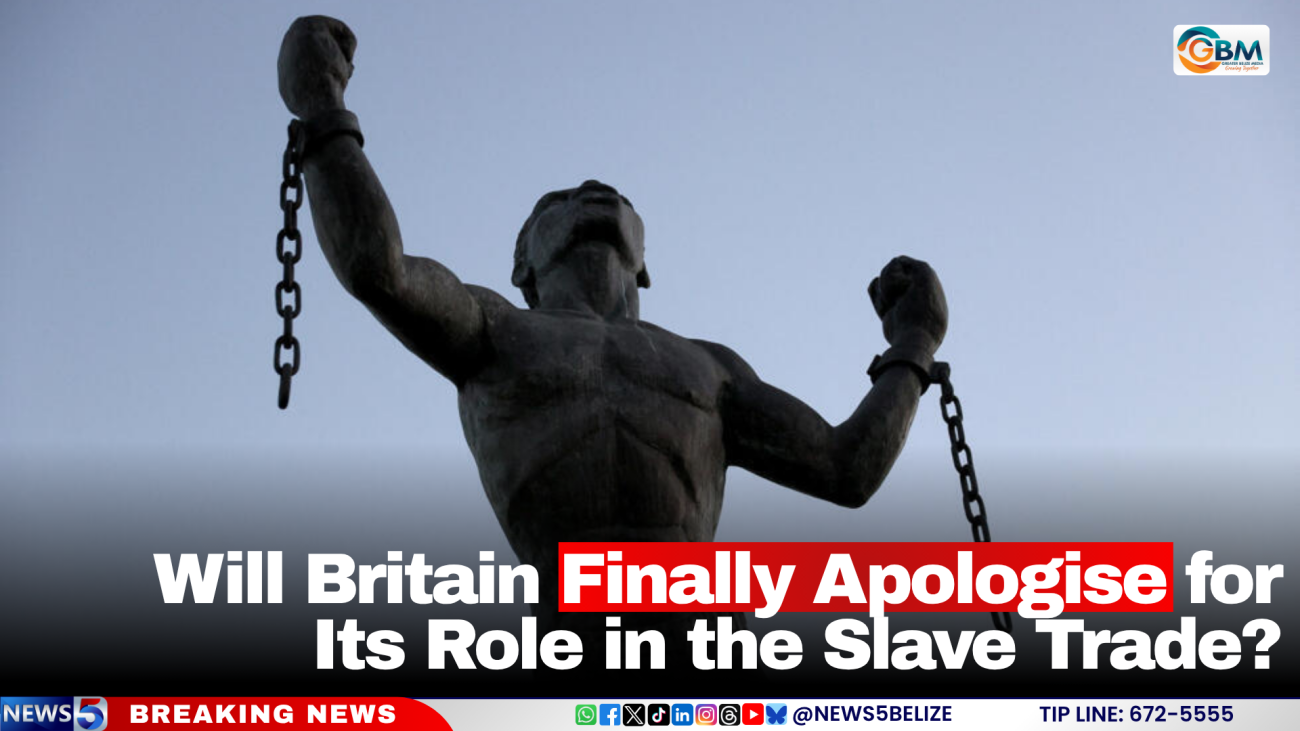
Britain’s position on a formal apology for its role in the transatlantic slave trade is coming under renewed scrutiny, with Prime Minister Andy Burnham saying he is open to listening to calls for an official apology.
In an official statement, Burnham wrote: “We are offering a structured dialogue with those affected by the transatlantic slave trade. Listening to calls for a formal apology on behalf of the British state will form an important part of this process and I am open to them.”
However, Burnham ruled out financial reparations, arguing that people today should not be held financially responsible for historical wrongs in which they played no personal part.
Instead, he proposed a debt restructuring initiative aimed at helping vulnerable countries “repay over a longer time period and with better rates.”
Barbados Prime Minister Mia Mottley welcomed Burnham’s willingness to engage, saying her country would participate in the discussions in good faith as a CARICOM member.
“Dialogue matters because we are not yet on the same page on every element. On reparations in particular, our views differ, and we will say so plainly and respectfully,” Mottley said.
Meanwhile, King Charles visited Independence Park in Georgetown, Guyana, where 33 people involved in the 1823 Demerara Rebellion were executed. The visit acknowledged Guyana’s history of slavery and resistance, following his earlier remarks in The Bahamas about the suffering of the past.
Buckingham Palace has indicated that the King will address Britain’s history with honesty and sorrow but will not speak on specific British government policy.
His remarks are therefore being closely watched as Caribbean leaders continue to seek greater recognition and accountability for the legacy of slavery.