


Here’s The True Cost of Feeding Belize’s Soldiers
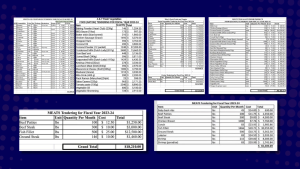
Feeding Belize’s soldiers came with a hefty price tag, but a closer look at the bills is raising eyebrows. Leaked tender documents show that a handful of suppliers secured some of the biggest contracts to stock the Belize Defense Force’s kitchens during the 2023-2024 fiscal year, collecting hundreds of thousands of dollars for meat, seafood, and other food products. But were taxpayers getting their money’s worth? As more questions are being asked about Defense Ministry spending, the records reveal purchases made at prices that, in some instances, appear well above national averages. Tonight, News Five’s Paul Lopez follows the money trail and examines whether the government paid a premium to keep the military fed.
 Paul Lopez, Reporting
Did the Ministry of Defense get value for taxpayers’ money, or did it overpay to keep the BDF supplied? That’s the question being asked tonight. Cabinet Minister Kareem Musa and others say it goes to the heart of the ongoing investigation.

Kareem Musa
Kareem Musa, Cabinet Minister
“So if the Miras are offering the same vegetables at a lower cost than say, Save U and or Brodies then we should go the Miras, but at the end of the day it should be published for transparency purposes.”
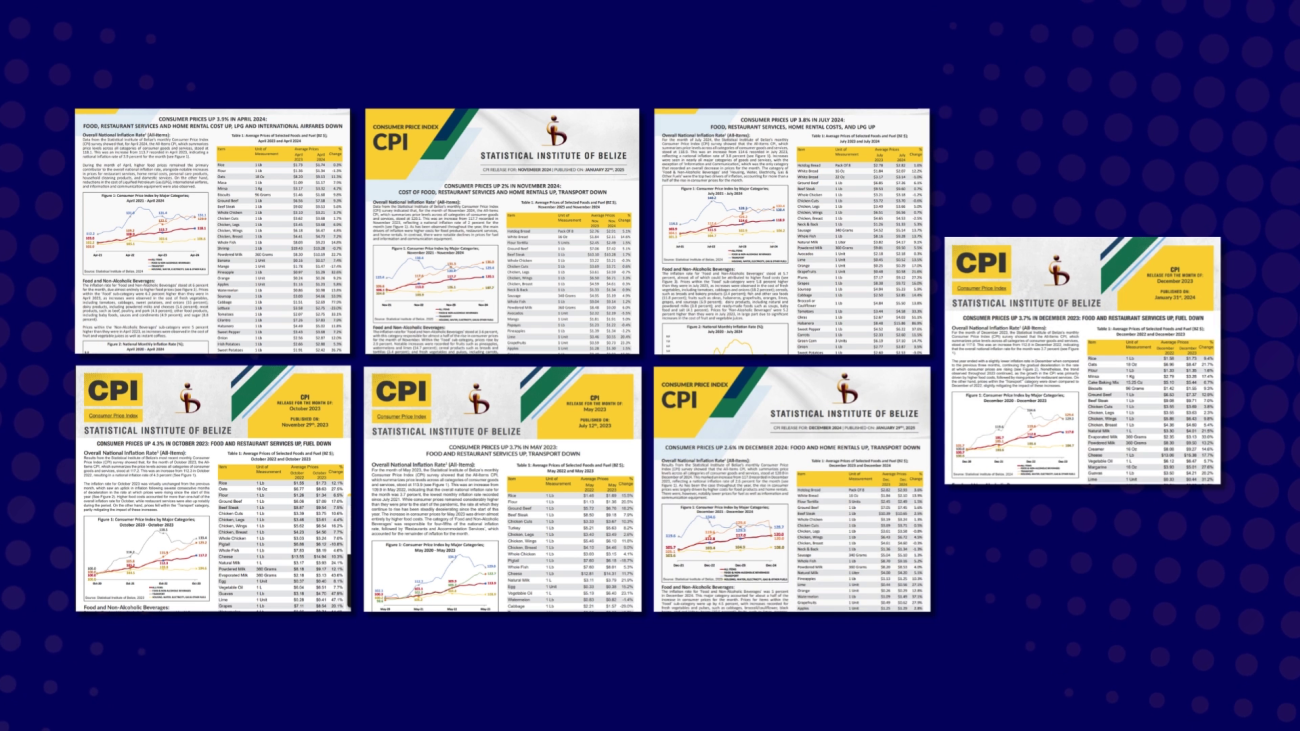
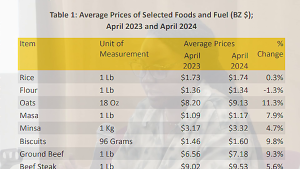
Tender records suggest that some items were bought at prices significantly higher than what they were selling for nationally. The Statistical Institute of Belize publishes data monthly on the average cost of household goods and services.
 Jacqueline Sabal, Manager, Economic Statistics Department, SIB (File: June 25th, 2026)
“We do the consumer price index survey every month and we collect prices across the country”
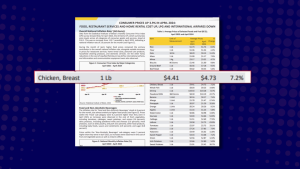
So, how does SIB’s data on prices across 2023 and 2024 compare to what the Ministry of Defense paid for specific items? The price difference is hard to ignore. According to the Statistical Institute of Belize, the highest average price for a pound of chicken breast between 2023 and 2024 was $4.73, recorded in April 2024. But leaked tender documents show that the Ministry of Defense bought one thousand pounds of chicken breast each month from J&J Imports at $7.76 per pound. That works out to $7,760 a month, or about $3 more per pound than the highest national average during that period.
 Even at five dollars a pound, the ministry could have realized annual savings of $33,000 dollars on chicken breast alone. Kukulcan’s price per pound of chicken breast for that two-year period was $5.50 cents. The ministry purchased eight hundred and seventy-three pounds per month from them, for a total of $4,801.50 monthly.
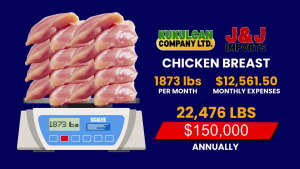 The chicken purchases raise another red flag. Between J&J Imports and Kukulcan, the Ministry of Defense was buying 1,873 pounds of chicken breast every month, at a cost of $12,561.50. Over a year, that adds up to 22,476 pounds of chicken breast and more than $150,000. Chicken is a staple source of protein for soldiers, but was the BDF really consuming that much chicken breast? That question becomes even sharper when you consider that the ministry was also buying 24,550 pounds of whole chicken every month from Kukulcan at $3 a pound. That is another 294,600 pounds of chicken a year.
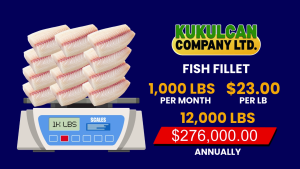 Fish fillet was another big-ticket item on the BDF menu. According to the documents, Kukulcan supplied the Ministry of Defense with one thousand pounds of fish fillet every month at $23 a pound. That alone came up to $23,000 monthly, or $276,000 a year for 12,000 pounds of fish. J&J Imports was also supplying fish fillet, but at a lower price. The company sold 1,466 pounds monthly at $20.71 a pound, costing just over $30,000 each month. Together, the two suppliers provided at least 29,592 pounds of fish fillet annually, raising more questions about how much food the BDF was actually consuming and how closely these contracts were being monitored.
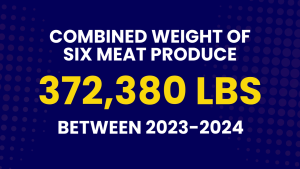 So, that’s 317,076 pounds of chicken, on top of 35,592 pounds of fish. Baby back ribs were also on the menu, 1320 pounds of it for the year, at fourteen and fifteen dollars a pound, totaling $19,260 in annual spending. Then came the premium seafood. Records show J&J Imports supplied nearly one thousand pounds of lobster for $24,402. The shrimp bill was bigger: 4,980 pounds a year from Kukulcan and J&J Imports, costing $177,420.
Ground steak made the cut too. Kukulcan, J&J Imports, and a smaller supplier together provided 1,276 pounds monthly, or 15,312 pounds a year, at an annual cost of $157,500. And that is only six items from a longer list of meat supplies. Together, they add up to 359,964 pounds a year, or almost 986 pounds of meat a day. That is the volume the records suggest soldiers were consuming, every day of the year. And this does not account for the thousands of pounds of beef steak and ground chicken that was also being purchased for the year, at the time, which would bring the total to almost half a million pound of meat for the year. So, was the Ministry of Defense getting value for money, and more important did the BDF consume all this meat produce? Reporting for News Five, I am Paul Lopez.
Attention readers: This online newscast is a direct transcript of our evening television broadcast. When speakers use Kriol, we have carefully rendered their words using a standard spelling system.
Watch the full newscast here: