


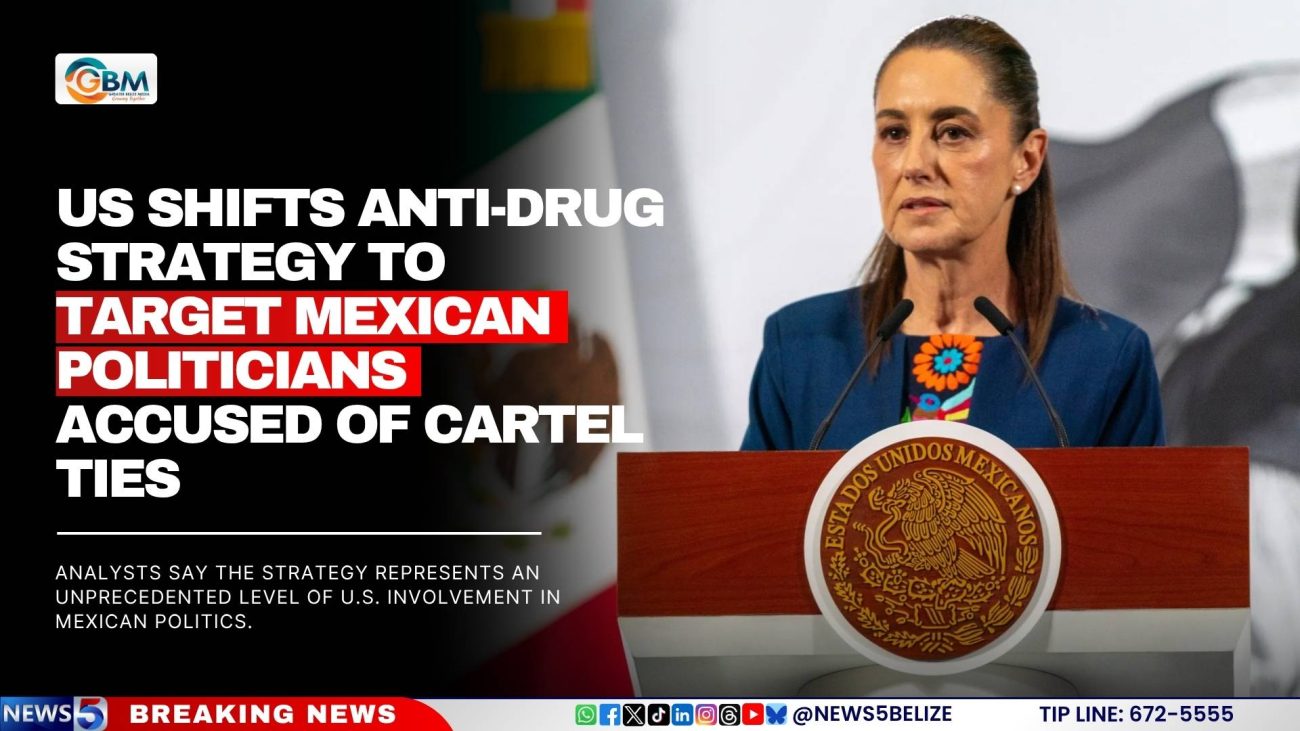
US Shifts Anti-Drug Strategy to Target Mexican Politicians Accused of Cartel Ties
The United States is expanding its fight against Mexican drug cartels by targeting politicians accused of accepting cartel money, marking a significant shift from its traditional focus on drug kingpins. The Trump administration has accused criminal organizations of financing political campaigns to elect candidates willing to protect their interests, raising tensions with the Mexican government.
The move has already led to the revocation of U.S. visas for several Mexican officials, including Baja California Governor Marina del Pilar Ávila Olmeda, while Sinaloa Governor Rubén Rocha Moya has been indicted in the United States on allegations that he accepted bribes and electoral support from the Sinaloa cartel. Both governors, members of the ruling Morena party, have denied any wrongdoing.
Analysts say the strategy represents an unprecedented level of U.S. involvement in Mexican politics. They argue that recent arrests and extraditions of high-ranking cartel leaders may have provided American prosecutors with new evidence linking organized crime to public officials.
Corruption experts say cartel financing of political campaigns has become increasingly common, particularly in local elections where campaigns often rely on untraceable cash donations. A 2018 report estimated that gubernatorial candidates spend far more than they officially report, with funding allegedly coming from organized crime, diverted public funds and business interests.
Mexican President Claudia Sheinbaum has questioned the evidence behind Washington’s accusations and warned that the campaign risks violating Mexico’s sovereignty. Although her administration has proposed screening candidates for organized crime links and has continued anti-cartel operations, she has refused a U.S. request to detain Rocha for extradition, saying American authorities have not presented sufficient proof.
The dispute has strained U.S.-Mexico relations, with Sheinbaum accusing Washington of attempting to influence Mexico’s internal affairs. Security analysts caution that while pursuing corrupt officials could expose cartel networks, dismantling organized crime will require long-term reforms to strengthen Mexico’s justice system, law enforcement and institutions.