


Belize Talks Climate, Indigenous Communities Demand Results
For Maya communities in southern Belize, climate change is not a distant threat. It is already disrupting rainfall, damaging crops and placing generations of cultural knowledge at risk. Belize has produced climate plans, made international commitments and held countless policy discussions. But in communities already facing erratic rainfall, extreme heat, flooding and coastal erosion, the real test is whether those promises will deliver meaningful change. As National Climate Week opened in Punta Gorda, the conversation shifted from what Belize intends to do to what it is actually doing. Here’s News Five’s Isani Cayetano with the following story.
 Isani Cayetano, Reporting
Belize has no shortage of climate plans, policy discussions or international commitments. But will those commitments deliver real change for communities already battling floods, coastal erosion, extreme heat and unpredictable weather?
Edalmi Pinelo
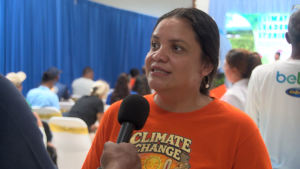
Edalmi Pinelo, Chief Climate Change Officer
“We need to reach down to the communities. We need to educate the communities, the individuals, and especially our youths because they are leading us now to the future. So, we need to equip them, and the right place to do it is during Climate Week.”
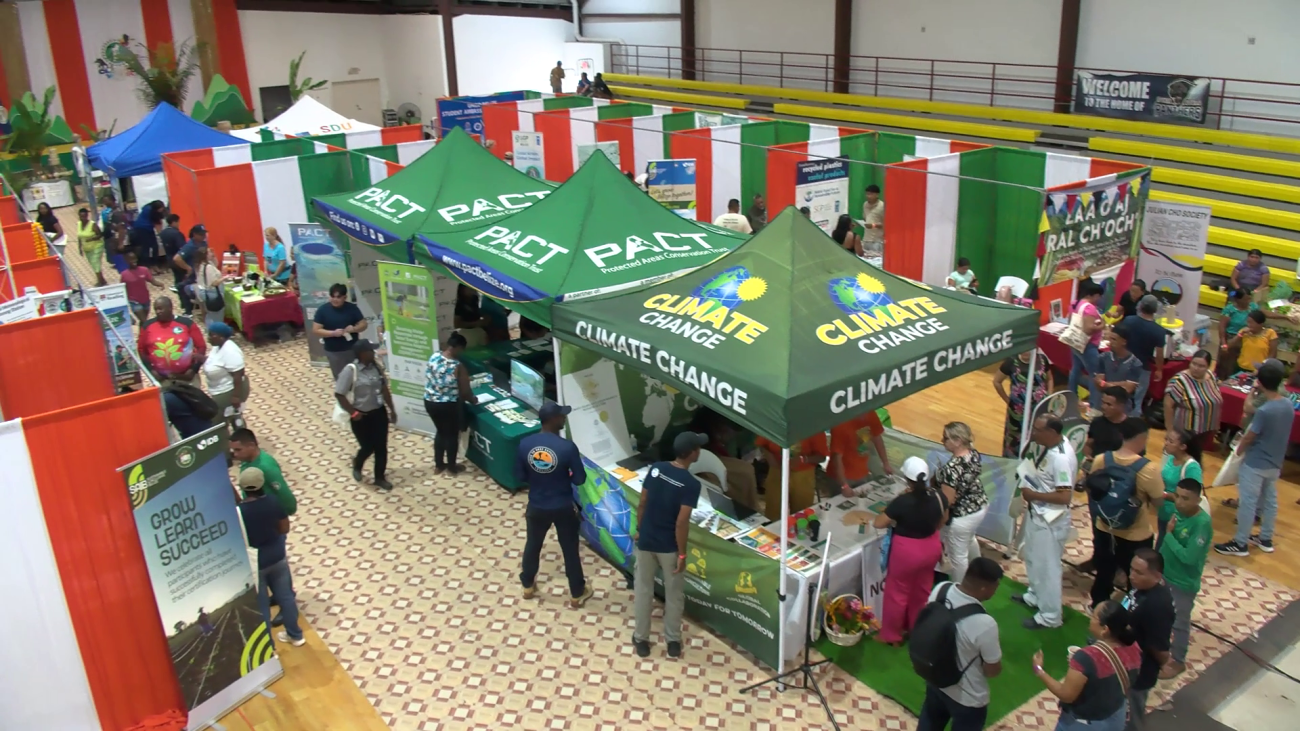
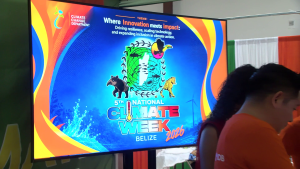
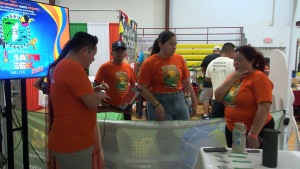 The four-day event opened on Friday at the Punta Gorda Sporting Complex, bringing government officials, environmental organizations, businesses and residents together under the theme, “Where Innovation Meets Impact: Driving Resilience, Scaling Technology, and Expanding Inclusion in Climate Action.”
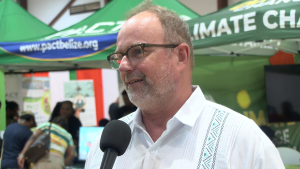
Michael Lund
Michael Lund, Deputy Resident Representative, UNDP
“Climate change is real and action is needed, we know that, but we want to do more than just survive climate change. We want to thrive and in thriving, culture is everything because culture is everything, what we do, who we are and Belize has the richest cultural tapestry I can think of. And we need to both learn from each other and tap into that because that’s a way how we can also adopt to the things that we are experiencing with climate change.”
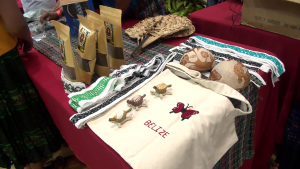 For many Indigenous peoples, land is tied to language, spirituality, ceremonies and ancestral knowledge. When coastlines erode, forests disappear or communities are displaced, cultural practices and sacred places may also be lost.
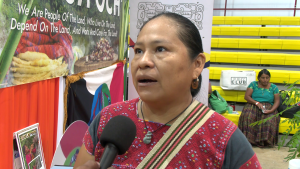
Cristina Coc
Cristina Coc, Spokesperson, Maya Leaders Alliance
“Our participation here is to highlight the importance of land stewardship from an indigenous reality. In Maya communities, you know, we are predominant here in Toledo. We use land and we’re very, very connected to the land. Everything that we do comes from the land. So, our stewardship of the land, our relationship with it. Our relationship with each other is important because we know that we are at the forefront of climate impacts.”
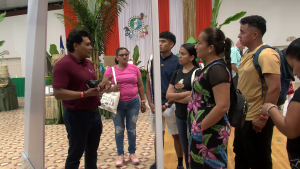 Climate action is especially important for Indigenous communities because climate change threatens not only their physical environment, but also their livelihoods, health, identity and cultural survival.
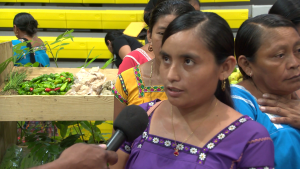
Filiberta Coc
Filiberta Coc, Resident, Otoxha Village
“We are here because, you know, in our village it’s hard to find to find wah lee money for our children and for us, too. Right now, everything is expensive. That’s why we try our best to come and sell our products right here. We sell the copal. This is what we always use in Otoxha. We also use the copal [because] we plant crops and we also use it for harvest crops. We also use it for animals.”
Generations of close observation have produced valuable knowledge about forests, water, agriculture, weather patterns and biodiversity. Practices such as the Maya milpa farming system can support sustainable food production and strengthen resilience to environmental change.
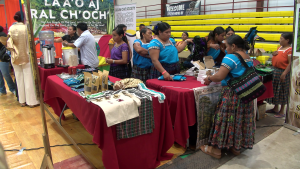 Cristina Coc
“One of the things that we’re looking at here in Toledo, particularly where it concerns Maya farmers is erratic rainfall. Never before have we seen this kind of weather pattern that is really impacting crops, but also wild foods because we depend a lot on forest foods for our subsistence, but also for our surplus, for our exchange with each other, and, of course, for the transmission of our knowledge. This is where we learn everything that we know.”
 The United Nations Development Programme is a partner in the Climate Week initiative held in Punta Gorda. Deputy Resident Representative Michael Lund:
Michael Lund
“We’ve heard some amazing leaders who have taken action, climate action, using their cultural background.”
Climate action is important because it protects people, economies and ecosystems from the worsening effects of a warming planet. It involves both reducing greenhouse-gas emissions and preparing communities for climate impacts that can no longer be avoided.
Edalmi Pinelo
“Climate change is real, it’s here, we are feeling the effects. For us, rainy season is always a blessing, but too much rain is not good for them, for the farmers, and that’s why we also have that segment. We need to also highlight our indigenous communities and that’s why this year, we came deep south.”
Isani Cayetano for News Five.
Attention readers: This online newscast is a direct transcript of our evening television broadcast. When speakers use Kriol, we have carefully rendered their words using a standard spelling system.
Watch the full newscast here: