


Calls Grow for Support as Sugar Exports Take $18 Million Hit
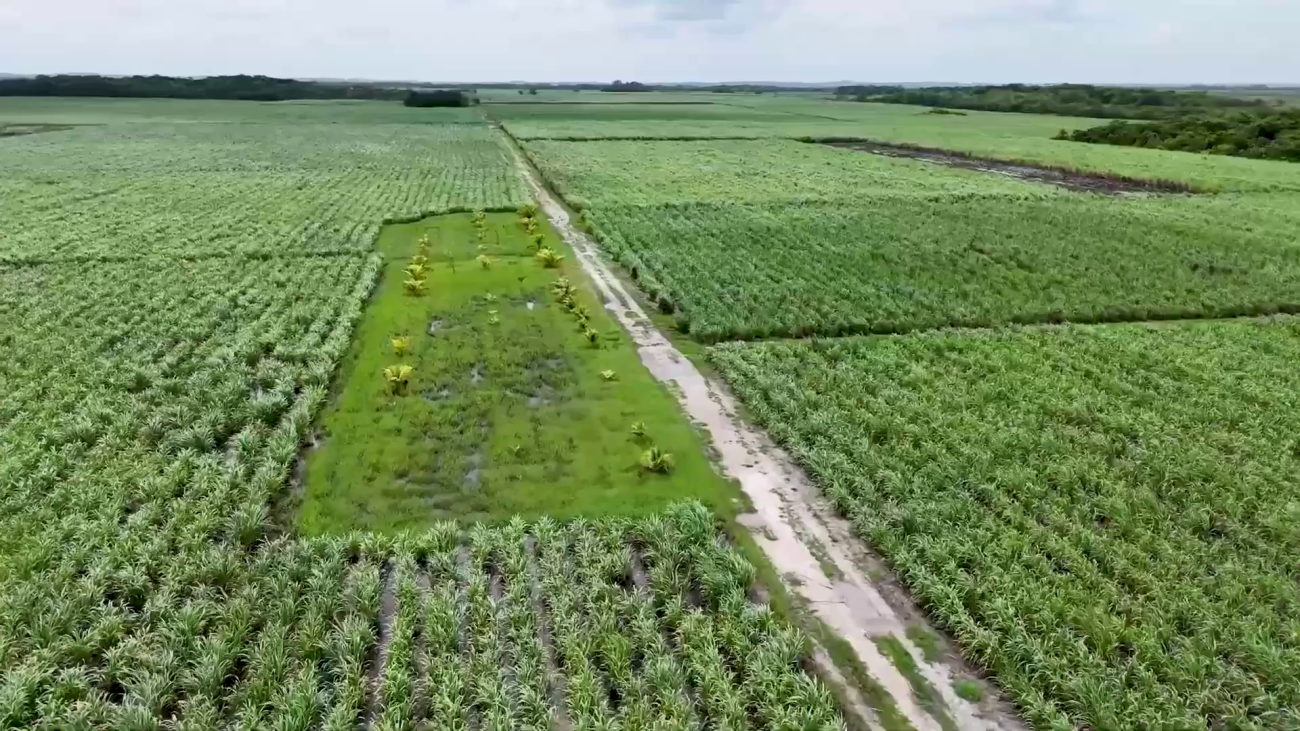
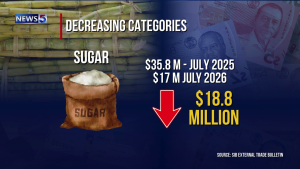
Belize’s sugar belt is under growing strain, and farmers say their livelihoods are hanging in the balance. Cane production is falling, prices remain low, workers are harder to find, and worsening pest infestations are eating away at an already difficult crop. The latest figures from the Statistical Institute of Belize underscore the crisis. Sugar export earnings fell by more than eighteen million dollars compared to July 2025, while farmers describe the 2026 crop as one of the worst in decades. Citrus exports are also down significantly, raising broader concerns about the future of Belize’s traditional agricultural industries. Now, farmers, industry stakeholders and the Opposition are pressing the government for stronger support before the decline threatens even more families and communities. News Five’s Britney Gordon reports.
 Britney Gordon, Reporting
More than eighteen million dollars. That is how much Belize’s sugar exports fell compared to the same period last year, according to new data from the Statistical Institute of Belize. For cane farmers already battling low production, crop diseases, labor shortages and rising costs, that decline is hitting hard. Alfredo Ortega, Vice Chair of the Belize Sugar Cane Farmers Association, says this year’s harvest was among the poorest the industry has seen in thirty-five years.

Alfredo Ortega
Alfredo Ortega, Vice Chair, Belize Sugar Cane Farmers Association
“There were some canes that stayed in the field that were unable to harvest because of many issues that were around. The factory, also the manpower to cut the cane, as you know this year, cane cutters was a huge problem for farmers, just as the crop before. So we saw a heavy decline and also in prices. So it is very hard for the farmers at this point, um, having all those declines in regards to the yields per acre and the amount of cane delivered, but also the price has an impact in regards to the livelihood of the farmers and their families.”
Ortega says slow treatment has allowed mealybugs and fusarium to spread, while worms and froghoppers are also cutting cane deliveries and production. Former Agriculture Minister José Abelardo Mai says the industry must rethink its strategy and diversify beyond sugar.

Jose Abelardo Mai
Jose Abelardo Mai, Former Minister of Agriculture
“This was the lowest production in thirty-five years I think. I think it was eight hundred and twenty-eight thousand tons is bad. And it will get a lot worse before it gets better. So my advice to the Prime Minister and everyone else in the sector is that diversification has to occur. The sugar cane farmers, with all due respect, are the poorest right now in the agriculture sector and so many things that has caused that to be. But yes the sugar industry is in a very difficult position right now.”
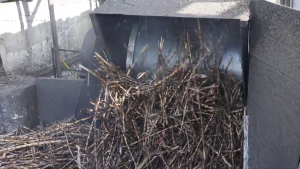 Former Agriculture Minister José Abelardo Mai says the country should expand the use of sugarcane to generate electricity, creating another source of income for the struggling sector. Cane farmers say they have long supported diversification, but Alfredo Ortega argues they deserve a larger share of the money earned from byproducts such as bagasse, which already helps power Belize’s electricity grid.
 Alfredo Ortega
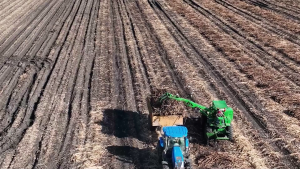
“We have been asking that farmers get a better payment for the use of the bagasse. And from since we started that negotiation up to now, we have not been able to get through with it. We get a meager thirty to thirty-five cents per ton of cane delivered on what we as the BSCFA have been asking that they pay us based on the sales of energy that they are doing.”
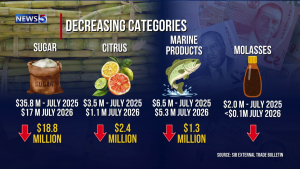 Agriculture and manufacturing are also losing ground. SIB says citrus earnings fell by two-point-four million dollars, while molasses revenue plunged from two million dollars to under one hundred thousand. Marine exports dropped another one-point-three million dollars as lobster sales weakened and shrimp exports disappeared. UDP Chair Sheena Pitts says the losses point to deeper trouble across Belize’s productive sectors.

Sheena Pitts
Sheena Pitts, Chair, United Democratic Party
“During the first quarter of 2026, imports reached eight hundred and seven point million dollars, while exports were only sixty-five point four million dollars, a merchandise trade deficit of approximately seven hundred forty-one point seven million dollars in only three months. Sugar exports fell. Cattle exports declined. The citrus remained an industry government itself admits is dying and needs to be revived.”
Despite the industry’s challenges, help is arriving. Ortega says a government-funded program, coordinated through SIRDI, will begin treating cane fields today. Farmers will receive insecticides and spraying services to fight the mealybug infestation and contain it before the next crop. Britney Gordon for News Five.
Attention readers: This online newscast is a direct transcript of our evening television broadcast. When speakers use Kriol, we have carefully rendered their words using a standard spelling system.