


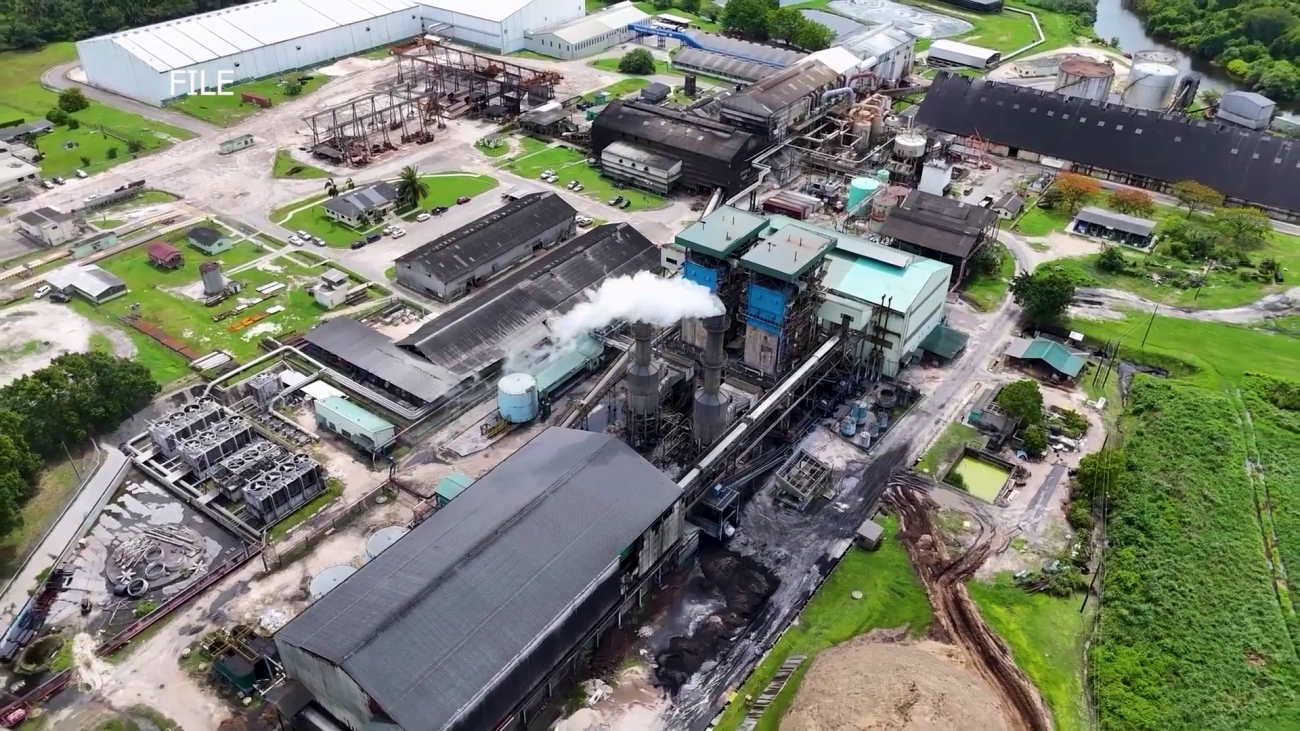
Belize’s 2026 Sugar Cane Crop Closes Earlier than Expected
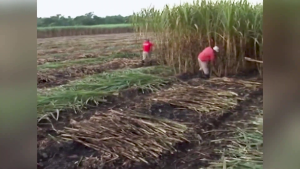
Sugar cane farmers are closing out a tough season, and not a moment too soon. After months of battling rising costs, erratic weather, and pest problems, industry leaders have officially decided to end the 2026 crop this Sunday. The call came after key players sat down earlier this week to weigh what’s left in the fields against what’s realistically achievable. For many farmers, the decision signals relief, but also raises new concerns about what comes next.
 Britney Gordon, Reporting
Less than six months after it began, the 2026 sugar crop is already wrapping up. The season will officially close on June twenty-first, earlier than expected, as both farmers and the mill struggle to keep pace with harvesting and processing delays. Corozal Sugar Cane Producers Association Chairman Vladimir Puck says farmers would prefer to meet their full quotas, but the industry must deal with the realities in the fields.
 On the Phone: Vladamir Puck, Chairman, CSCPA
“Primarily right now we have the challenge of labor, right? Cane cutters. Availability of cane cutters is really an issue, right? For the past two, three years we have been battling with that. So and also the mill had some issues also during the crop, right? Which is’ understood. It’s a machine. But, primarily without that issue, it would be cane cutters.”
At the opening of the crop, stakeholders estimated just under one million tons of sugar cane delivered. However, Olivia Carballo-Avilez, BSI’s Cane Farmer Relations Manager, says the amount delivered fell just under the target with around eight hundred and fifteen thousand tons.
Olivia Carballo-Avilez
Olivia Carballo-Avilez, Cane Farmers Relation Manager, BSI
“Currently, we’ve delivered about eight hundred and fifteen thousand tons of cane. Unfortunately, that did not meet the production estimate, and farmers are indicating for this week, we only had about thirty-two thousand of which about twenty to twenty-five thousand tons could have come out given now the field conditions. We’ve gotten a lot of rain over the couple weeks, and that has complicated field conditions. And of course, that brings also implications to how the factory operates. So we sat down this week, and together we made the decision to bring the crop to a close.”
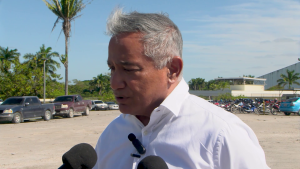
 At the opening of the 2026 sugar cane crop in January, Prime Minister John Briceño highlighted the industry’s major investment plan of one hundred and twenty million dollars with three million dollars to support farmers.
Prime Minister John Briceño
Prime Minister John Briceño (File: January 19th, 2026)
“Talking is cheap. It’s about the actions and what you do. The first thing I did was to put the Ministry of Sugar under my responsibility to be able to demonstrate whole serious we about this industry. And then had Dr. Osmond Martinez as a minister of State, to be able to deal on a daily basis on some of the issues to be able. Then immediately I took on the commission of inquiry report. And said, okay, let’s work with the farmers and the association and BSI to be able to come up with a plan.”
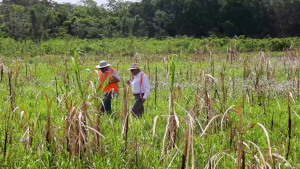
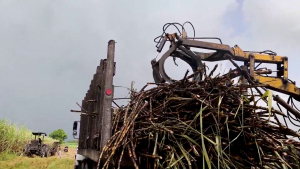 Farmers say it’s not all bad news. Improved cane quality this season means more sugar per ton, thanks to support from the Sugar Industry Research and Development Institute. But Vice Chairman Alfredo Ortega says the job isn’t done, another round of intervention will be key for next year’s crop.
 On the Phone: Alfredo Ortega, Vice Chairman, BSCFA
“If the intervention is not done, as we speak, then we will be seeing a downfall in quality for the upcoming crop because we are seeing right now the increase of infestation in different cane fields. So there is material right now, but in reality, the payment that we are getting as farmers, doesn’t give for farmers to pay right now for the services to spray those materials in the cane field. We are awaiting a program that the government or SIRDI is working with CRESAP to see if they can grant that to the farmers.”
Farmers are hopeful for a better crop next year, but concerns remain. Puck says pest control isn’t improving, with mealybugs hitting fields hard. Yellowing cane and changing weather are making things worse, and mealybugs are just one of several growing threats. Britney Gordon for News Five.
Attention readers: This online newscast is a direct transcript of our evening television broadcast. When speakers use Kriol, we have carefully rendered their words using a standard spelling system.
Watch the full newscast here: