


Are Wholesalers Breaking the Market Rules?
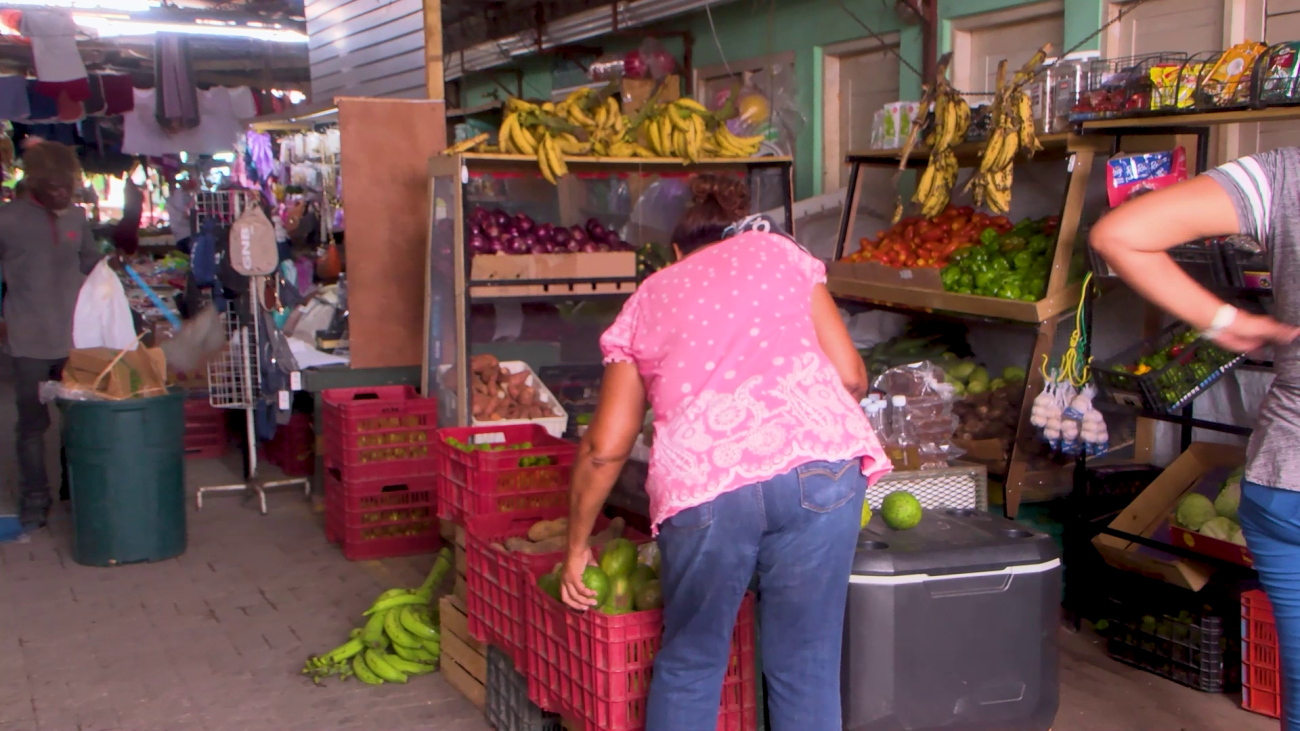
They are supposed to supply the market, but vendors say some Mennonite wholesalers are now competing directly with them. Vendors at Michael Finnegan Market already face sharply higher prices for products purchased from the Belize Marketing and Development Corporation. Now, they claim wholesalers are selling produce directly to consumers, cutting out established retailers and further shrinking their profits. The vendors say the practice is threatening their livelihoods, and our cameras captured several transactions that appear to support their concerns.
Edith Brakeman
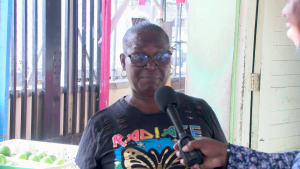
Edith Brakeman, Vendor, Michael Finnegan Market
“Market day use to good, but now it is terrible, because the Mennonites come, they buy out the stuff and they the sell it cheaper than we weh the buy big.”
Paul Lopez
“What they buy out?”
Edith Brakeman
“Watch it, potato, they come and retail. They are not suppose to retail, because they say the Mayor told them that the whole sale is like ten, twenty, thirty pound. But now they are like one pound, two pound. And that is not fair to us. You see anybody in here? Nobody right, everybody is outside.”
 Market Vendor Challenges Farmers’ Pricing Practices
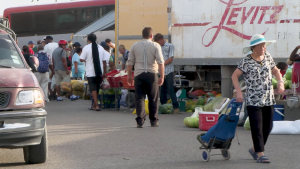
Who really controls the price of produce at the Michael Finnegan Market? One vendor claims some Mennonite farmers restrict supplies until the market begins running out, then raise their prices. He also questions whether the quality of the produce justifies what vendors must pay. We took those complaints to the Belize Marketing and Development Corporation, but the agency says it does not blame farmers for charging more.
Voice of: Market Vendor
Voice of: Market Vendor, Michael Finnegan Market
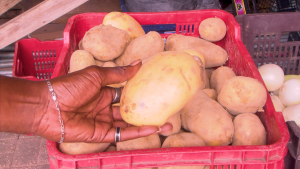
“The Mennonites they have a certain time when they bring their potato. When they bring their potato, like last year, the big potato was being sold for a hundred dollars a sack. What they start to do was put the potatoes in containers and hold back on it. Then the potatoes went up to two change. When it goes to two change, you can’t make no money. Me and a lot of people get into a lot of conflicts with the Mennonites, because when they bring it we tell them to take it back. I nuh wah pay you for it. The whole thing about Belize, it needs a price control.”
Valentin Carrillo, Administrator, BMDC
“At the end of the season, I don’t blame them either, because it is a business sense they have. If there is no product on the market and the demand is high, they will increase their prices. Any business would do it. Even you, if you have a product and there is an opportunity to sell it higher, they are the only one that has it, they will increase it, I don’t blame them.”
Isani Cayetano
“But it is not fair to the consumer or the vendor purchasing wholesale or retail.”
Valentin Carrillo
“In this case the BMDC goes to the producer, in this case you are mentioning the Mennonites, and we make arrangement to buy their potatoes so that we can import the deficit.”
Valentino Carrillo says BMDC is working with Mennonite farmers to secure produce and keep the market supplied, hoping to prevent prices from climbing.
Attention readers: This online newscast is a direct transcript of our evening television broadcast. When speakers use Kriol, we have carefully rendered their words using a standard spelling system.
Watch the full newscast here: