


Measles Threat Looms As Belize Battles Vaccination Gaps
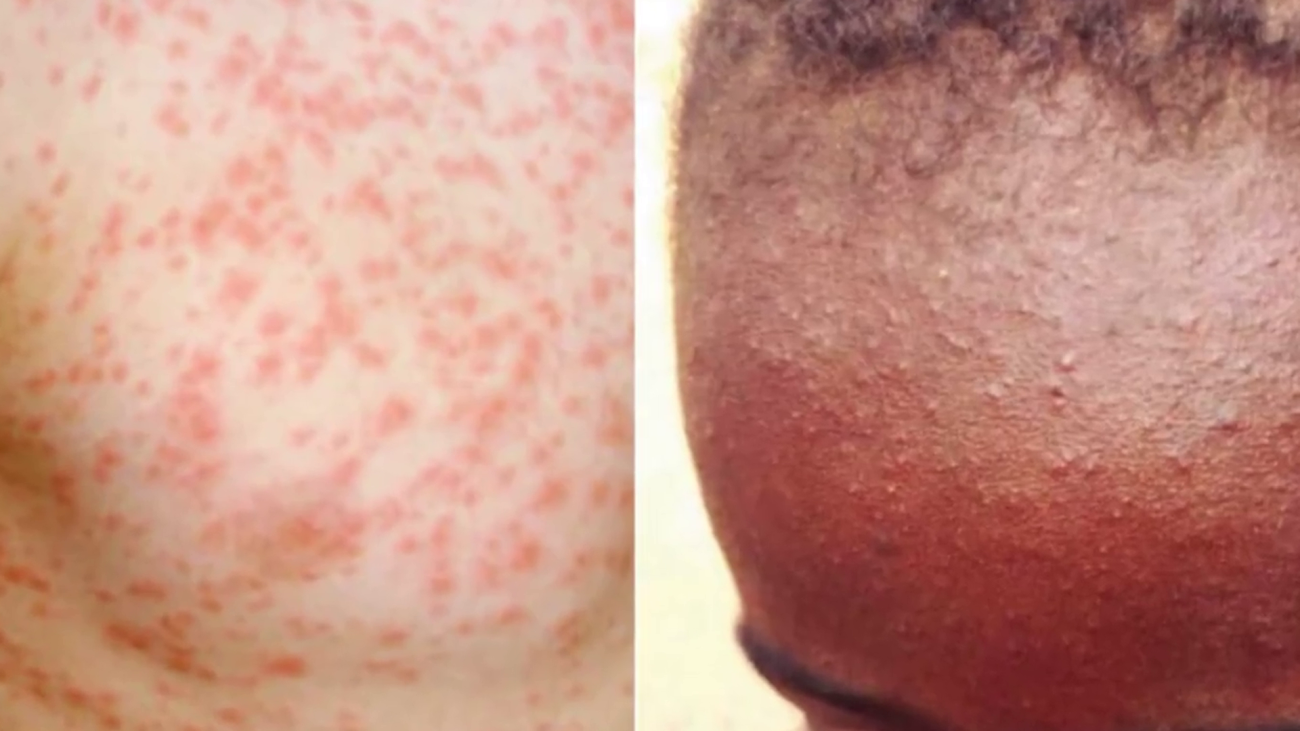
Belize may still be holding on to its measles-free status, but health officials say the latest cases are a warning that the country cannot let its guard down. Six infections have been confirmed over the past two months, and all involved unvaccinated individuals. As measles spreads across the Americas and more countries lose their elimination status, Belize faces the ongoing threat of imported cases and vulnerable communities with gaps in vaccination coverage. Health authorities are now urging more people to get vaccinated before those gaps turn into bigger outbreaks. We spoke with Deputy Director of Public Health and Wellness, Dr. Laura Friesen, about why vaccination remains Belize’s strongest defense against the highly contagious virus.
Laura Friesen
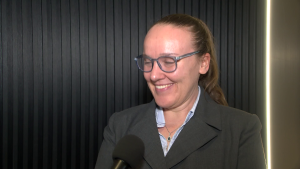
Laura Friesen, Deputy Director, Public Health & Wellness
“All our cases so far are unvaccinated persons, which shows how strong of a protection the vaccine really is. We are putting a lot of resources into measles response. We know that the best way to combat measles is to vaccinate. The vaccine is safe. It’s effective. It provides you with over ninety-eight percent protection. It’s very, very effective. So what happens in Belize is that we do have pockets of our population that are not vaccinated. And those pockets, if the right person comes in contact with the disease, then of course those persons will get sick. It’s very contagious. You don’t even have to be in the same room with the person. They could have walked by the room four hours earlier, sneezed. You walk in the room, you breathe in that same air, and you can get measles. So that shows you how contagious it is, and that shows you that vaccines really are the best way to control it, and we are putting in a lot of resources. We have sufficient vaccines in the country. However, we would like to encourage the population to make use of them, to check their vaccination records, and to get everyone in the family who is able to vaccinate who has not been vaccinated so far. The full vaccination for the measles is two doses. In our regular scheme, you get one at a year and one at a year and a half. Sothat’s the regular scheme for measles vaccination. However, if you are an adult, and you have not been vaccinated, you can get one dose one month apart, so for two doses. If you are fully vaccinated and you have a record to show it, you wouldn’t need to get another dose. However, if you are unsure of your vaccination status, you’ve lost your records, you don’t know, it is best that you get at least one dose, even if you are an adult. If you know you have never been vaccinated, you need to get two doses.”
 58,000 Cases, 82 Deaths As Measles Surges
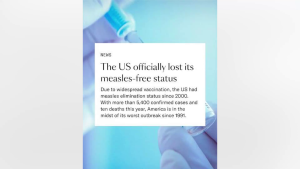
Measles is making a comeback across the Americas, and the numbers are raising serious concerns about how quickly a preventable disease can reverse years of public health progress. More than fifty-eight thousand people have contracted the virus this year, and eighty-two have died, according to the Pan American Health Organization. That is nearly five times the number of cases reported during the same period last year. The resurgence is so severe that Bolivia, Mexico and the United States have lost their measles elimination status after failing to stop sustained transmission for more than twelve months. And with outbreaks continuing in several other countries, health authorities are warning that the region cannot afford to let its guard down. Assistant Director Dr. Rhonda Sealey-Thomas says stronger vaccination drives, better disease monitoring and faster outbreak responses are critical to stopping measles from gaining even more ground.
Rhonda Sealey-Thomas
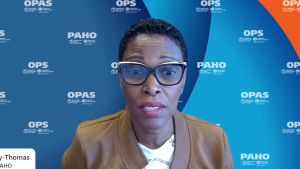
Dr. Rhonda Sealey-Thomas, Assistant Director, PAHO
“ Losing elimination status means that the measles virus has become endemic in the country and has become established. It also means that epidemiological and lab evidence demonstrates that the virus has been circulating continuously for at least twelve months. The Pan American Health Organization does not recommend any specific travel restrictions. However, what we do recommend to all our member states is that attention is paid to controlling outbreaks, specifically measles, and human and financial resources are required for this. Specific related activities, for example, to control a measles outbreak would include increased surveillance to detect new cases early, rapid response to limit outbreaks, and vaccination of susceptible persons. This necessitates the deployment of teams and adequate laboratory support, and these things require funding. So yes, funding is needed And in response to your specific question on how a general citizen may be affected, my response is that citizens should take note that measles, a highly infectious disease that can be prevented through vaccination, is circulated. And if unvaccinated, they are at an increased risk of becoming infected from a preventable disease, hospitalization, complications that would have been mentioned before, including pneumonia, blindness, encephalitis, and death in some cases.”
PAHO called the loss of measles elimination status a major public health setback but says countries can regain it by stopping transmission and strengthening vaccination and surveillance efforts.
Attention readers: This online newscast is a direct transcript of our evening television broadcast. When speakers use Kriol, we have carefully rendered their words using a standard spelling system.
Watch the full newscast here: