



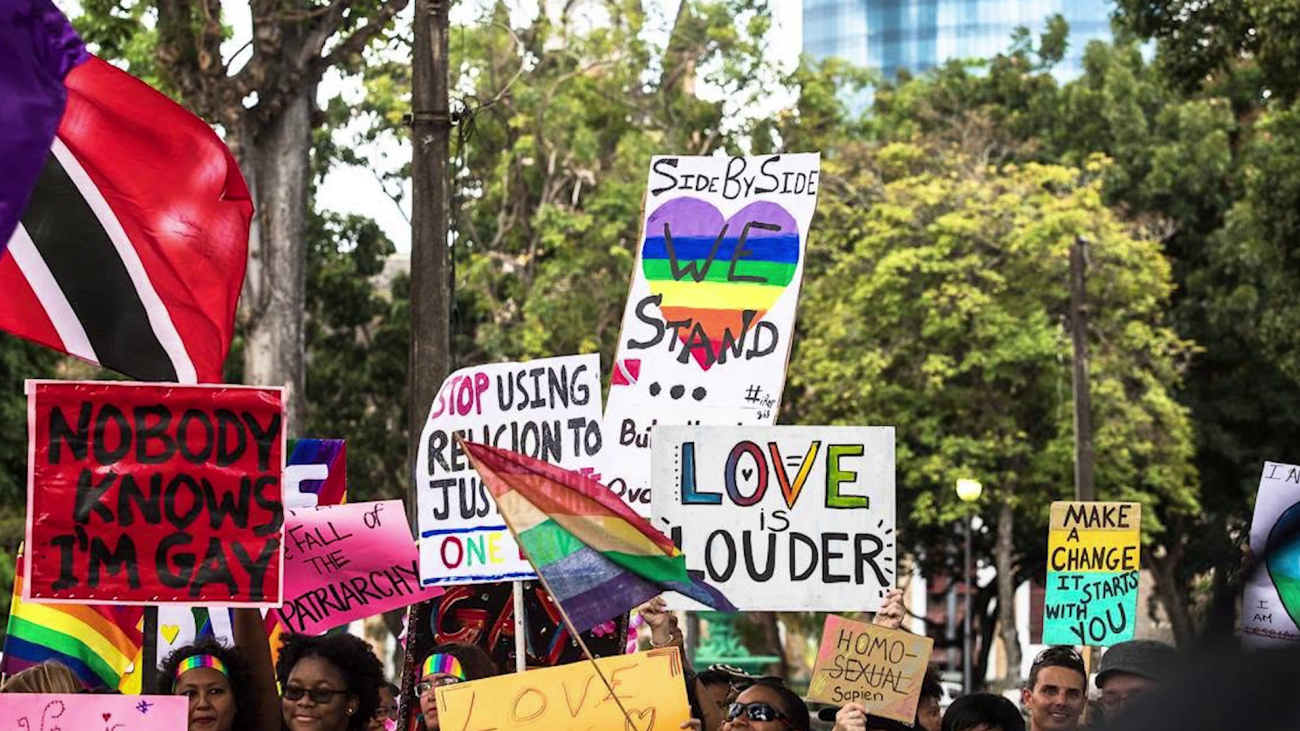
Caribbean’s LGBTQ+ Rights Divide Comes Into Sharper Focus
A landmark ruling on LGBTQ+ rights is forcing the Caribbean to confront more than its colonial-era laws. It is also challenging regional governments to decide what independence, equality and constitutional protection should look like today. On November tenth, the Privy Council struck down Trinidad and Tobago’s laws criminalizing consensual same-sex intimacy. The court ruled that the provisions violated constitutional rights, including the right to private and family life. Belize removed a similar law nearly a decade ago. But the judgment is once again stirring debate here at home about whether decriminalization went far enough and why broader protections against discrimination remain stalled. News Five’s Britney Gordon reports.
 Britney Gordon, Reporting
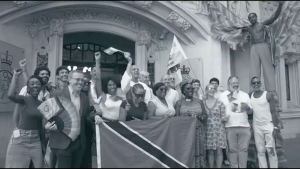
For more than a decade, Jason Jones challenged laws that treated private, consensual relationships between adults as crimes. His victory before the Privy Council does more than change the law in Trinidad and Tobago. It strengthens a growing legal argument that Caribbean governments cannot celebrate political independence while relying on colonial-era legislation that undermines the rights and dignity of their citizens. The Privy Council ruled that criminalizing consensual same-sex intimacy between adults violates constitutional rights and has no place in a democratic society. Jones says the decision could have far-reaching implications across the Caribbean and Commonwealth.

Jason Jones
Jason Jones, LGBTQ+ Rights Activist
“It’s the first time in law that it’s being said at an apex court to Caribbean people who come under this judgment. This judgment will affect, seven to eleven countries in the region, and including Mauritius will also come under this judgment. So we’re talking about forty-five million people, and I say forty-five million people because this judgment affects the human rights and body autonomy of every citizen.”
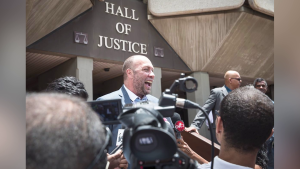 Jones’ legal team argued that the laws violated basic rights to dignity, privacy and family life and were not protected by the savings clause. These clauses shield colonial-era laws from constitutional challenges, allowing outdated legislation to survive despite modern rights protections. Belize’s savings clause expired, allowing the Supreme Court to strike down Section Fifty-Three in 2016, a ruling upheld by the Court of Appeal in 2019. UNIBAM Executive Director Caleb Orozco calls the Privy Council decision another major victory but says the court missed a chance to address savings clauses that protect colonial-era laws from constitutional challenges.

Caleb Orozco
Caleb Orozco, Executive Director, United Belize Advocacy Movement
“How can you claim that you cherish your independence and you’re keeping these old norms to not only undermine your fundamental, the fundamental rights of your citizen, you’re harming the dignity of the individual that you are supposed to protect under your policy mandate as parliament. While Belize had a saving clause to the beginning of its independence, that saving clause lapsed. The opportunity for those states who have similar connection or that uses the Court of Last Resort, the Privy Council, is that they have a chance to now prove to themself what true independence look like, and they have also a chance to decolonize their judiciary and their legislative process.”
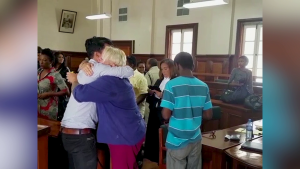 The Caribbean is seeing a gradual shift, with seven countries, including Belize and most recently Trinidad and Tobago, removing laws criminalizing same-sex intimacy. But Jamaica, Grenada and Saint Vincent and the Grenadines still enforce them, exposing a deep divide in regional progress. While some Caribbean countries have decriminalized same-sex intimacy, many still lack protections against discrimination or legal recognition for same-sex couples. Attorney Amanda Clift-Matthews says the ruling sets a powerful precedent, forcing governments to either repeal these laws or defend them in court.

Amanda Clift-Matthews
Amanda Clift-Matthews, Attorney-at-Law
“I think it is a precedent-setting judgment. It’s very important, and I think what we will see now is probably a trend towards abolition of these type offenses, either through parliament who decides to take the lead and just get rid of them, or through challenges through the courts. But it will probably happen at a local level because you’ve now got the ruling from the highest jurisdiction. But the ruling does not automatically bind every Caribbean country. Trinidad and Tobago still uses the Privy Council as its final court of appeal, while Belize falls under the Caribbean Court of Justice. That difference means future cases will depend on each country’s constitution, its court system and the wording of its laws. The Caribbean Court of Justice has already addressed LGBTQ+ rights in the context of regional free movement. I think it is a precedent-setting judgment. It’s very important, and I think what we will see now is probably a trend towards abolition of these type offenses, either through parliament who decides to take the lead and just get rid of them, or through challenges through the courts. But it will probably happen at a local level because you’ve now got the ruling from the highest jurisdiction.”
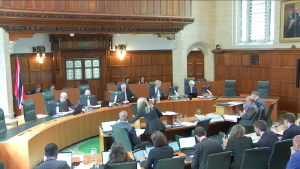 But the ruling does not automatically bind every Caribbean country. Trinidad and Tobago still uses the Privy Council as its final court of appeal, while Belize falls under the Caribbean Court of Justice. That difference means future cases will depend on each country’s constitution, its court system and the wording of its laws. The Caribbean Court of Justice has already addressed LGBTQ+ rights in the context of regional free movement.
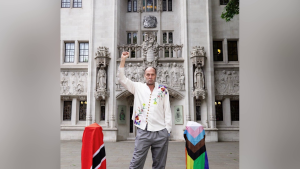 Jason Jones
“It’s having far-reaching impact across the Commonwealth, so it’s not just the Caribbean. Even in the UK, this is being hailed as the biggest LGBT case in British legal history. And, you know, that is setting a lot of things in motion here in the UK. A lot of Commonwealth nations are looking at this. You have to remember, the Privy Council is the third-largest supreme court in the world, and we now have the three largest supreme courts decriminalizing LGBTQ plus people. That’s the US Supreme Court, the Indian Supreme Court, and now the Privy Council. So this sends a huge message globally to the sixty-plus countries that still criminalize LGBTQ plus people, eleven of them with the death penalty.”
 For Belize, the fight has moved beyond decriminalization to protecting LGBTQ+ people from discrimination. The proposed Equal Opportunities Bill could close those gaps, but remains stalled amid political hesitation and public opposition. Orozco says without political leadership, citizens will keep turning to the courts to demand equal treatment.
Caleb Orozco
“Both parties have demonstrated that they are not willing to lead or take the initiative to give life to their policy mandate, and and by extension they have demonstrated that they’re not serious in the application of equal treatment under the law and before the law. And so Jason Jones remind us that while the state is not here to expand protection. We have the option of using the democratic processes to then drive the transformation and change.”
The Trinidad and Tobago judgment therefore represents both progress and a warning. It shows that colonial-era laws can fall when citizens challenge them. But it also exposes the gap left behind when governments remove criminal penalties without creating broader protections against discrimination. For Belize, the question is no longer whether the country has moved beyond Section Fifty-Three. It is whether the law now does enough to guarantee the equality that decriminalization promised. Britney Gordon for News Five.
Attention readers: This online newscast is a direct transcript of our evening television broadcast. When speakers use Kriol, we have carefully rendered their words using a standard spelling system.
Watch the full newscast here: