
Journalists Bridge the Gap Between Climate Science and Survival
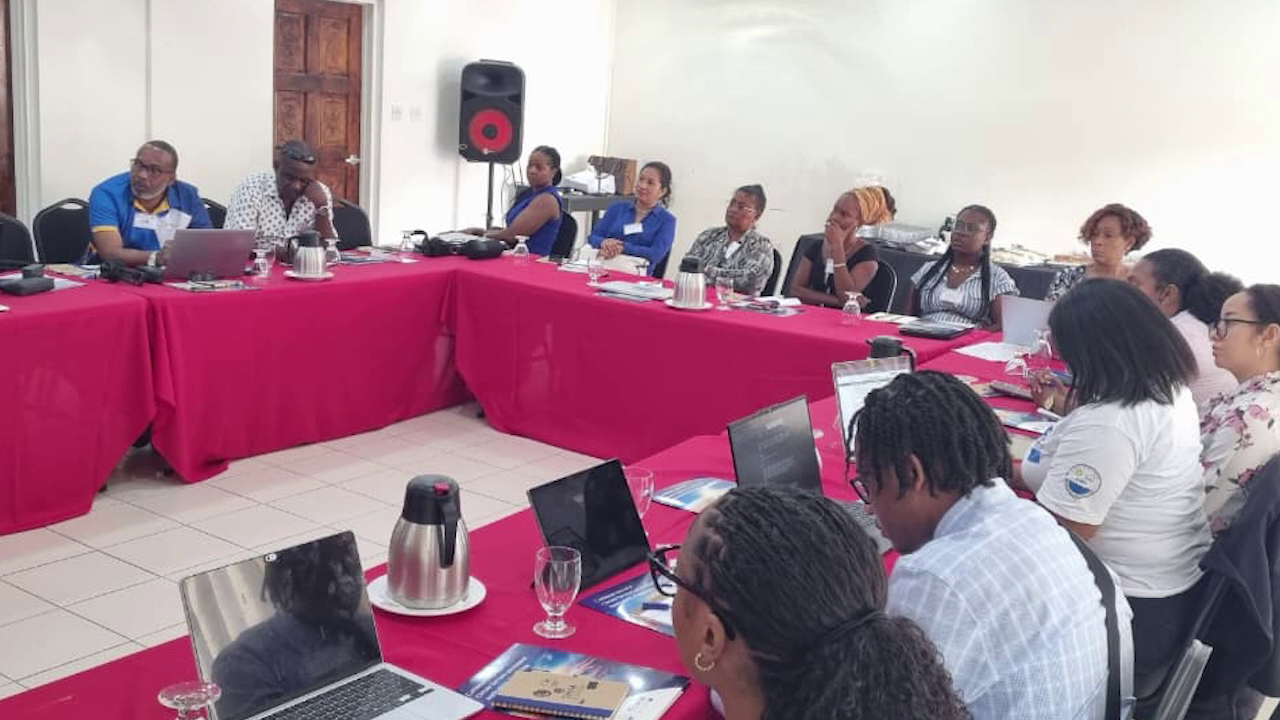
A climate warning means nothing if people can’t understand it. As the Caribbean braces for a potentially powerful El Niño and a harsh dry season, regional experts are training the people who deliver those warnings: journalists. Here’s News Director Isani Cayetano, reporting from St. Vincent and the Grenadines.
 Isani Cayetano, Reporting
For Caribbean families, climate change is no longer a distant warning. It is showing up in hotter days, prolonged dry spells, destructive floods and growing pressure on water supplies. But even the most accurate forecast cannot protect people if they do not understand what it means or how to respond. That is why regional climate experts are working directly with journalists, helping them turn complex scientific forecasts into clear, practical information that households, farmers, businesses and governments can use.
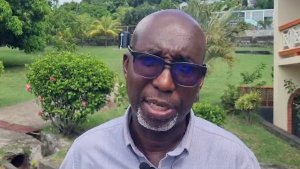
Adrian Trotman
Adrian Trotman, Caribbean Institute of Meteorology & Hydrology
“This session is meant to open and engage the media practitioners in issues related to climate, understand it better. The exposure helps in understanding what we do as meteorologists and climatologists and what we think you need to be able to understand to be able to present the messages, the key messages to our public and our sectors that we see as being climate sensitive.”
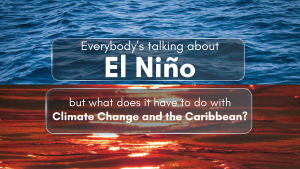 The effort grew out of a much broader global response to El Niño nearly thirty years ago. At the time, the climate phenomenon exposed how vulnerable countries were when they lacked reliable seasonal forecasts and effective early-warning systems. Regional Climate Outlook Forums now bring scientists, governments and representatives from climate-sensitive sectors together. They examine the outlook for the months ahead and identify possible threats, including drought, flooding, extreme heat and water shortages. That collaboration is becoming increasingly important as experts monitor the possibility of a powerful El Niño and the effects it could have on the Caribbean’s dry season.
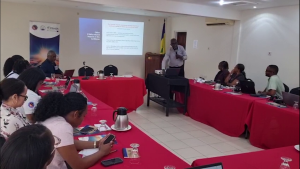 Adrian Trotman
“Now, everyone, I am sure, has heard about the super El Niño, what we call a very strong El Niño in our climate sector, and we know that it could be unprecedented because we know that this El Niño is expected to be very strong. A very strong El Niño has the potential to impact the region negatively, and negatively in what way? We tend to focus on the dry season, for example, the one that’s upcoming and what we’ve learned from past El Niño dry seasons.”
A forecast filled with technical terms, however, can leave the public confused instead of prepared. Climate scientists may understand probabilities, rainfall anomalies and seasonal outlooks, but journalists must explain what those projections mean for a farmer watching the skies, a business managing higher costs or a family facing possible water restrictions. Journalists must do more than simplify scientific terms. They must understand the Caribbean’s languages, cultures and communities to make warnings clear, relevant and relatable.
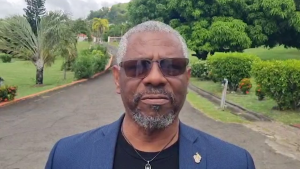
Patrick Prendergast
Patrick Prendergast, CARIMAC
“It’s really more about having an appreciation for the language difference, the language of the technical and scientific people and how that can be actually translated to language that all of us understand. Not just in terms of scientific versus non-scientific, or breaking down technical language, but also how we cover the various language dynamics within our region. I think it is important for us as media people to have a deeper appreciation for what that means and what is involved with that.”
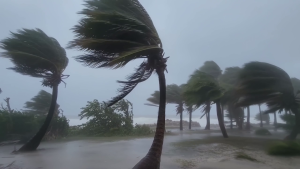 The training is therefore pushing journalists to go beyond reporting that conditions will be hotter or drier than usual. The real task is to explain the likely impact: whether farmers should prepare for reduced rainfall, whether households need to conserve water or whether public agencies should begin planning before supplies come under pressure.
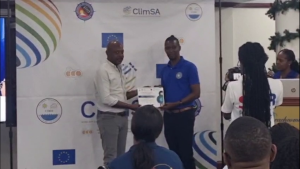 Patrick Prendergast
“As it relates to the business of climate and weather information, clearly we are at a stage at which climate and weather. It’s really now beginning to dawn upon us or to hit us that there are various degrees and levels of impact that we need to come to terms with. And so, the focus for this particular exercise is not just about learning the terminologies and how to translate them, but also to be able to draw from that the impact communication activities that could be designed and delivered.”
The Caribbean cannot wait for reservoirs to run low or drought conditions to become severe before taking action. Water could become increasingly scarce as El Niño takes hold, particularly toward the end of 2026 and into 2027. Clear and timely reporting will not stop the heat or bring the rain, but it can give communities the information they need to prepare before a climate threat becomes a full-blown crisis. Reporting from St. Vincent and the Grenadines, I am Isani Cayetano
Attention readers: This online newscast is a direct transcript of our evening television broadcast. When speakers use Kriol, we have carefully rendered their words using a standard spelling system.
Watch the full newscast here: