


Higher Diesel, Higher Taxes? Critics Question Windfall
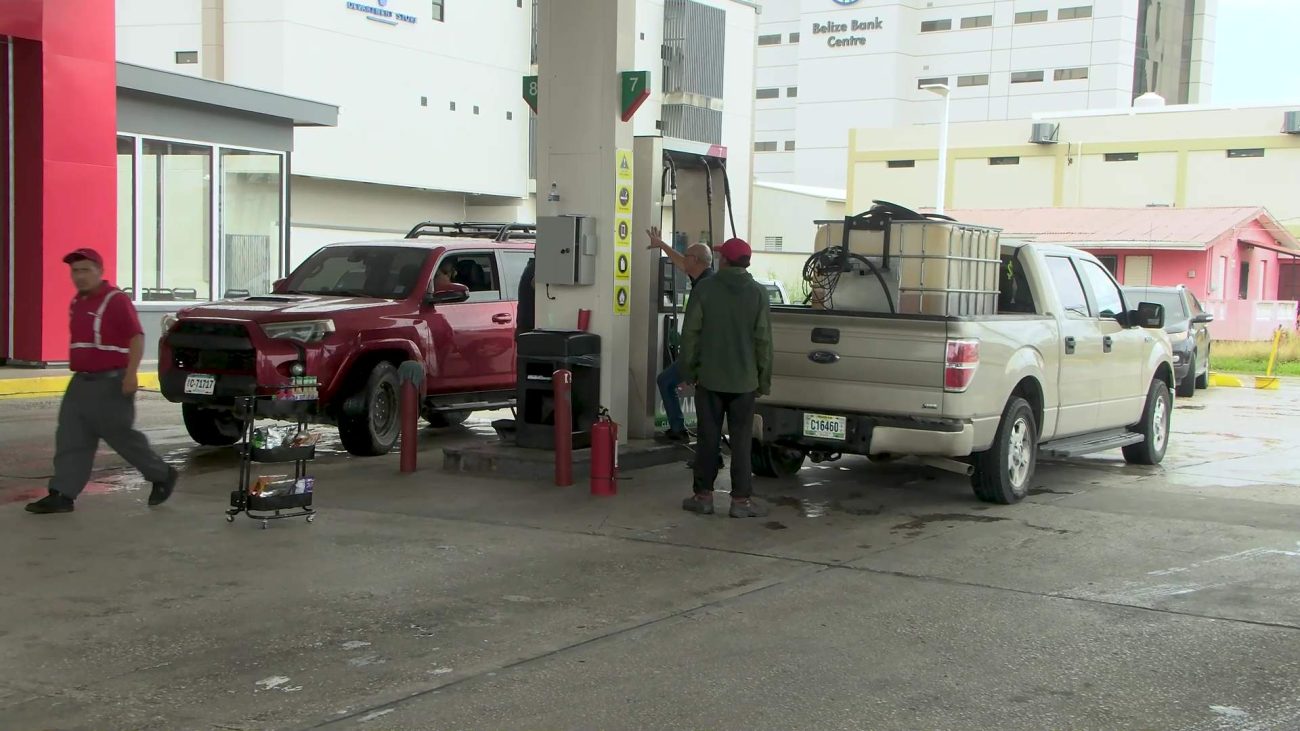
Diesel shot up by more than two dollars overnight, and drivers packed the pumps to beat the jump. The hit won’t stop at the gas station, farmers, truckers, and construction crews that run on diesel will pass those costs along to your grocery bill and your next home repair. As pressure builds to trim fuel taxes, the Briceño administration says it’s already giving up revenue. But here’s the sticking point critics are raising, when pump prices climb, so does government’s take.

Prime Minister John Briceño
Prime Minister John Briceño
“The tax is based on the price you get. So if the price is higher it is the same percentage, because the percentage does not change. So you get more right. But if the price goes down you get less. So in this instance we have been cutting the price. We are foregoing a dollar and twenty-five cents on the tax to manage the price of the fuel. But we are takers, we cant set the price. The U.S. they can set their price. They are buying billions of dollars of fuel while we are just buying a few million. The more you buy the lower the price you can get. We don’t have that luxury.”
Reporter
“To say we will keep it where it is because it is increasing, so we will not take the extra.”
Prime Minister John Briceño
“Well it is not about taking the extra, we are cutting the tax, cutting what we are suppose to collect. So that increase would be less than the tax cut we are doing right now.”
We’ll see whether that $1.25 tax cut softens the diesel blow, or if rising pump prices still boost government revenue and drive everyday costs even higher.
 SIB: Lower Fuel Prices Offset Inflation in Early 2026
Belizeans are feeling the sting of rising fuel prices right now, but here’s the irony: cheaper gas was actually the reason inflation stayed calm at the start of the year. New data shows the cost of living in January and February inched up by just zero‑point‑four percent. But that mild figure hides a tougher reality. Food and utilities kept climbing, with higher prices for meat, cereals, sugar, electricity, and LPG squeezing households. Those increases might have hit even harder if falling fuel prices hadn’t pulled transport costs way down during the same period. Now, with fuel costs surging again, the Statistical Institute of Belize is breaking down what this shift could mean for consumers moving forward.

Jaime Crespo
Jaime Crespo, Statistician, SIB
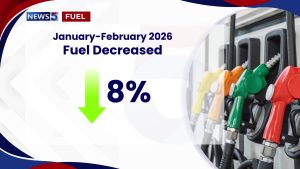
“For the first two months in 2026, when compared to the same period in 2025, the cost of goods and services purchased by households increased by 0.4% on average. We can see that the top three categories were food and non-alcoholic beverages, housing, water, electricity, gas, and other fuels and restaurants and accommodation services. However, they were partly offset by decreases observed within the transport category. First, we have the food and non-alcoholic beverage category with prices increasing by 1.2%. This was mainly due to the rise in several food products such as meat. Cereal products and sugar, along with non-alcoholic beverages such as coffee, purified water, and soft drinks. Secondly, let’s look at the housing, water, electricity, gas, and other fuels category with prices increasing by 0.9%. This was mainly due to the rise. Of electricity implemented at the start of this year and the cost of LPG, which grew by 1.4% for the period January to February, 2026. On the other hand, the transport category decreased by 3.6%. Helping to offset increases observed during this period. The price, the average price for fuel from January to February, 2026 was lower than the same period in 2025, which regular fuel was done by 8% per gallon, premium by 7.2%, and diesel by 2.9%.”
Bottom line, cheaper fuel kept inflation at 0.4% to start the year, but with pump prices climbing again, SIB says stubborn food and utility costs could squeeze household budgets next.
Attention readers: This online newscast is a direct transcript of our evening television broadcast. When speakers use Kriol, we have carefully rendered their words using a standard spelling system.
Watch the full newscast here: