
Toledo Bus Operators Now Included in Fuel Subsidy
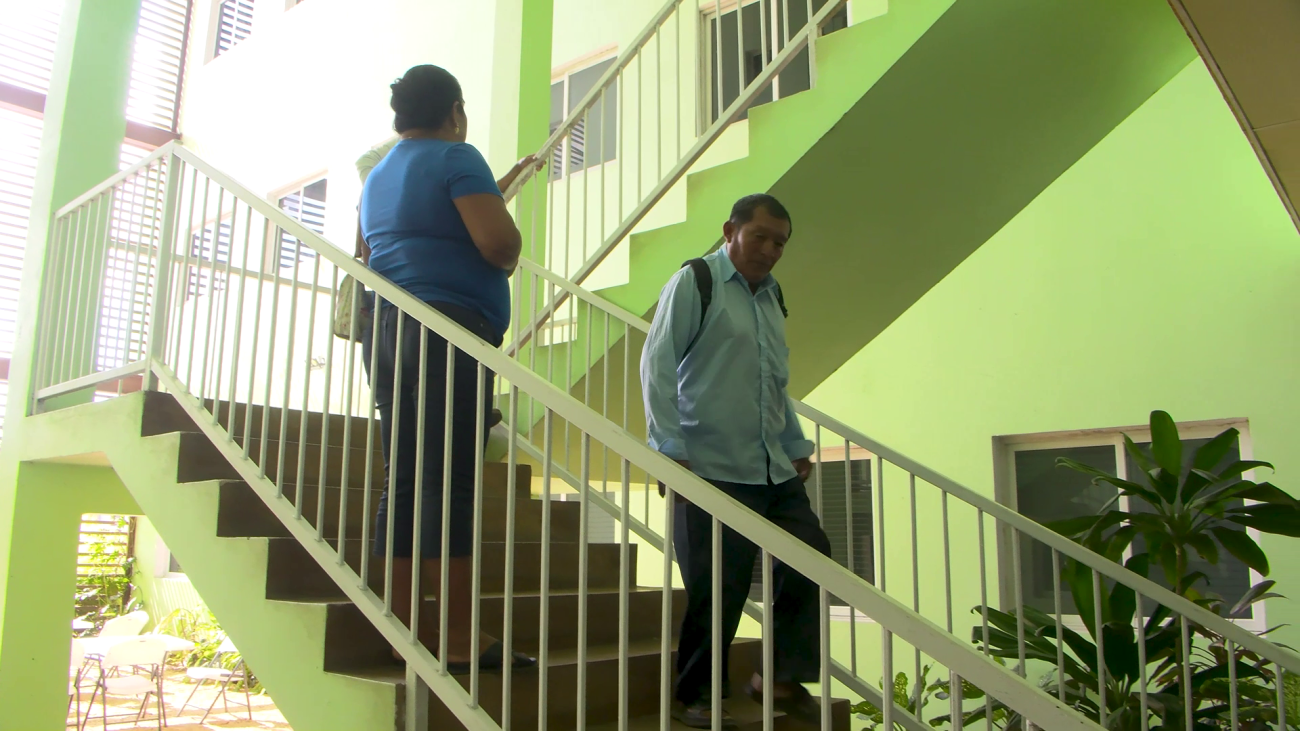
Some bus operators were left out of the deal, so government is now trying to catch up. Today, Transport Minister Louis Zabaneh met separately with operators from the Toledo District after concerns they were excluded from key talks. Unlike others, Toledo operators aren’t part of the Belize Bus Association and didn’t take part in negotiations over the fuel subsidy and fare hikes. Now, the Ministry says it’s making sure those operators understand how to access the subsidy, so they don’t get left behind as reforms roll out.
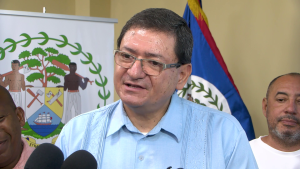
Louis Zabaneh
Dr. Louis Zabaneh, Minister of Transport
“When we met with the BBA at the time, and president is here we, from their list they were not members of the BBA. Afterwards, they contacted us and said, ‘But we’re not on this list.” And so we met with them just to hear out a little bit about get to know them a little bit more, and that’s basically what we did. And now everybody, I think, is on the same page. Would you agree, Mr. President, that we can now move forward because everybody understands, as CEO just said, what the process is to get their funds for the subsidies?”
 Are Politicians Responsible for Bus Racing and Road Rage?
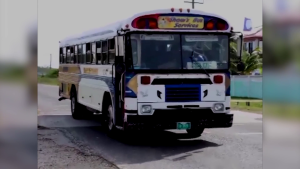
The biggest complaints from rural bus operators today had little to do with fuel prices or fares and everything to do with survival on Belize’s highways. Operators say an oversaturated permit system has created fierce competition on the roads, forcing buses into dangerous races for passengers and putting commuters at risk. At today’s transport meeting in Belmopan, Dr. Louis Zabaneh acknowledged the problem, saying years of political interference in the issuance of road service permits helped create the chaos now facing the industry. The ministry says a moratorium is currently in place on new permits as government attempts to bring order to a system operators say has been broken for decades.
Louis Zabaneh
Dr. Louis Zabaneh, Minister of Transport
“We have had sadly since the mid two-thousands after the situation with the consolidation of the Novello company where at that point in time before that collapse occurred, the consolidation had ended up with the Novelo group and then with James Bus Line. After that, when the DFC fiasco if you will happened, ministers of transport and the Transport Department gave out permits to persons who were asking for these road service permits across the country in a manner that is clearly not in the best interest of commuters because you ending up having a lot of competition with all these road service permits being issued. So many times it was because some political favor was being done or whatever the case may be, and there was not a proper system in place rationalizing public interest. Because clearly that’s what we ended up with and why we had to come with the solutions that we’re now engaged in with the National Bus Company on the highways.”
 More Bus Operators Wish to Join National Bus Company
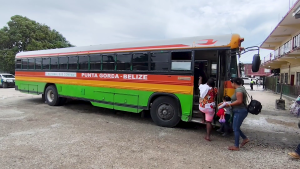
Rising costs are squeezing Belize’s small bus operators, and many are now questioning if they can survive alone. At today’s meeting, some rural operators floated the idea of joining the National Bus Company, hoping it could offer the stability they’ve been missing. That interest picked up after former Northern Transit owner Noel Codd praised the model as a lifeline for a struggling industry. Still, Transport Minister Louis Zabaneh says government sees a different path, suggesting many operators may be better off under a franchise-style system instead.
Noel Codd
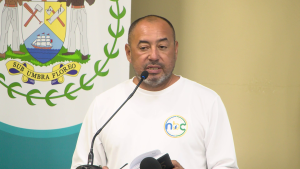
Noel Codd, Former Owner, Northern Transit
“Biggest thing is the commuters, they deserve better. And the type of bus that we had are not the best and I can’t afford a bus for five hundred thousand up to eight hundred thousand like what the minister said. Those buses are very expensive. And joining the team, it makes us, it makes it much easier. We have seventeen of us in the company. When we buy we buy by bulk. It comes out cheaper. When we have any breakdown, I don’t have to worry about that anymore. I don’t get up three o’clock in the morning. The company takes care of that. Fuel, tires, you name it. And the biggest thing I don’t have to worry about is the hanging within each buses. I had this problem with Westline before but now Westline and Northern Transit are on one team. So if Westline picks up all the passenger, I have no problem because the money will still come into our account.”
Louis Zabaneh
Dr. Louis Zabaneh, Minister of Transport
“Some of them suggested that perhaps we could look at company structure where they could now become shareholders and benefit from economies of scale, lower costs, and that sort of thing. Because it’s clear that when you come together under a corporate structure, that there are many benefits. Benefits where you can buy your inputs at lower costs. And that’s what we had said from the very beginning, that we need to do that. When you do that you rationalize the scheduling so you’re no longer competing with each other. You are working together, in fact, to maximize your returns, maximize the service to your customers. So I believe that in the short two and a half months that NBC has been operating people have been seeing the benefits of that structure.”
Attention readers: This online newscast is a direct transcript of our evening television broadcast. When speakers use Kriol, we have carefully rendered their words using a standard spelling system.
Watch the full newscast here: