


Women in Fisheries Push for Power and Progress
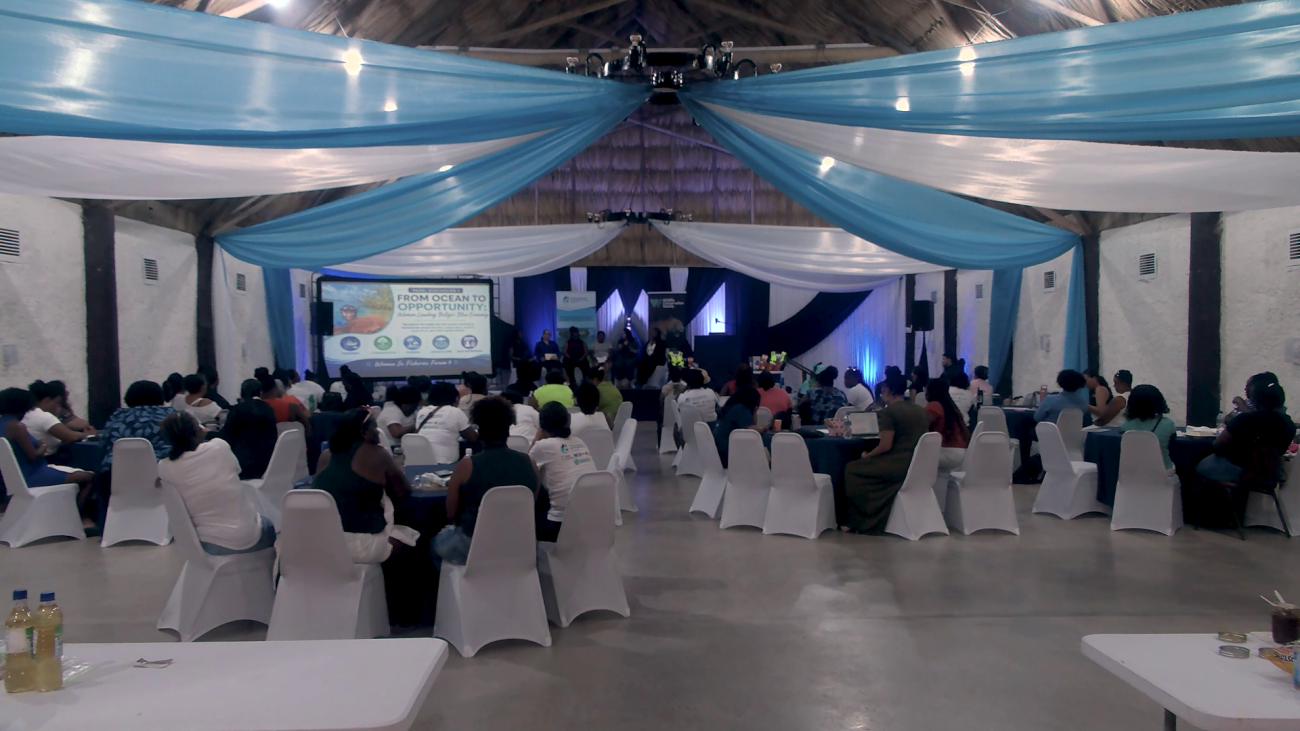
The Women in Fisheries Forum is back and this year, it’s putting a spotlight on the women driving Belize’s coastal economy forward despite tough odds. Opening today at Old Belize, the two-day event brings together fishers, entrepreneurs, and conservationists to tackle rising costs, environmental pressures, and limited resources. Hosted by the Wildlife Conservation Society and the National Women in Fisheries Association, the focus is on building stronger leadership, expanding market access, and securing sustainable financing. News Five’s Britney Gordon was there to see how these women are navigating challenges and shaping the future of Belize’s marine industry.
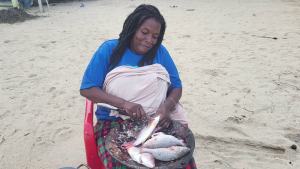
Paula Jacobs Williams
Britney Gordon, Reporting
Fishing has long been the heartbeat of Belize’s coastal communities, but the women behind it are still largely unseen. In an industry that supports nearly twenty thousand families and contributes millions to the economy, women make up less than four percent of the workforce. Still, those on the frontlines are proving that numbers don’t define impact. Across Belize, fisherwomen are breaking barriers, carving out space, and reshaping what the industry looks like. For Paula Jacobs Williams of Punta Negra, life at sea isn’t new, it’s all she’s ever known.
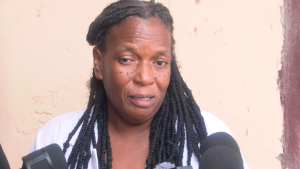
Paula Jacobs Williams
Paula Jacobs Williams, Chairlady, Women in Fisheries Association
“I grew up in a fishing community. My mom and dad was a fisher folk, and I used to, I always tell people I fishing from inna di belly because when I pregnant with my daughters and son, I fishing with them really so, the time they get out, they don know how you could fish.”
Paula Jacobs Williams is among a growing number of women making their mark at this year’s Women in Fisheries Forum. The two-day gathering brings industry players together to celebrate and strengthen the role of women in Belize’s blue economy. Organizers say a key focus is breaking barriers by giving women better access to funding, tools, and opportunities in the marine sector.
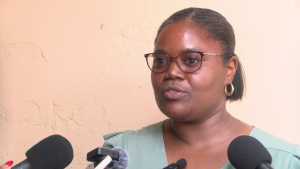
Ralna Lamb Lewis
Ralna Lamb Lewis, Marine Conversation Director, Wildlife Conversation Society
“When you have that perception that it’s one of one group of persons that are engaged in this space, it limits access to other persons to be able to be in those resources. So that is what we’re really focusing on, what type of resources opportunities exist for women for them to fully engage within the new economy space. And also looking at some of the more innovative ideas, how they could utilize these resources to be able to generate income for themselves, their households as well as their communities.”
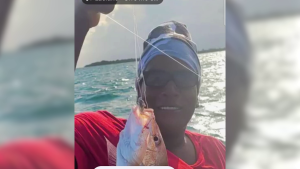 Jacobs Williams has spent her life on the water, but like many fishers, she’s had to branch out to make ends meet. She explains that amid challenges like the cost of fuel and climate change, to keep doing what she loves she’s had to change her approach.
Paula Jacob Williams
“Over the years, there’s a lot of changes, there’s a lot of changes, climate change, different, even the fish, the fish, I don’t know, they’re not really depleted, or I don’t know if they’re gone from vacation, or what. It’s kind of a challenge and the thing is, I always, I am a, ‘I can’ woman and I will do. The thing is, because I grew up in a family of fourteen, I am the baby of the bunch, but we are locally fishers. And then over the years, we’re diverse into like, different tourism.”
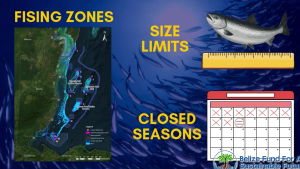 Belize banned gill nets in 2020 to protect its marine life, but some fishers say the risks didn’t disappear, they just changed. Now, competition on the water is intensifying, and the race for bigger catches is making an already tough job even more dangerous.
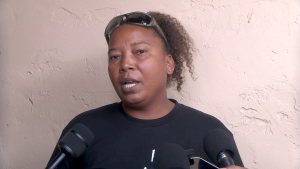
Vonetta Dawson
Vonetta Dawson, Fisherwoman
“In Dangriga area it’s getting smaller and smaller and lie how nets been banded, the shades, the fish traps is getting more and more so there’s more area being taken over by fishers. So there’s less area to fish.”
Vonetta Dawson, a fisherwoman from Dangriga, says challenges are mounting for fishers across Belize, but the burden is falling especially hard on those in the south.
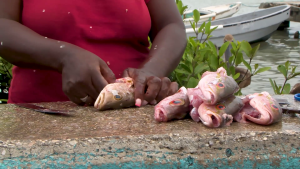 Vonetta Dawson
“The gas is so high and also in Dangriga for us to be an ice it’s like twenty-odd dollars a sac so sometimes we’re jealous when we see fishers this side say its like five dollars a sack and you’re paying so much on gas. So fishers with this gas, it’s hand to mouth. There’s no money to go buy something extra to reward me after I go fish.”
As the industry shifts and pressure mounts, Belizean fisherwomen are closing ranks and pushing back. While change is hitting everyone on the water, these women are standing firm, supporting each other, speaking up, and making it clear they won’t be pushed aside. Britney Gordon for News Five.
Attention readers: This online newscast is a direct transcript of our evening television broadcast. When speakers use Kriol, we have carefully rendered their words using a standard spelling system.
Watch the full newscast here: