


Ukraine’s Drone Strategy Exposes Gaps in Russian Air Defences
Ukraine’s largest drone attack on Moscow since the start of the war has highlighted growing concerns about Russia’s ability to defend its airspace against mass drone assaults.
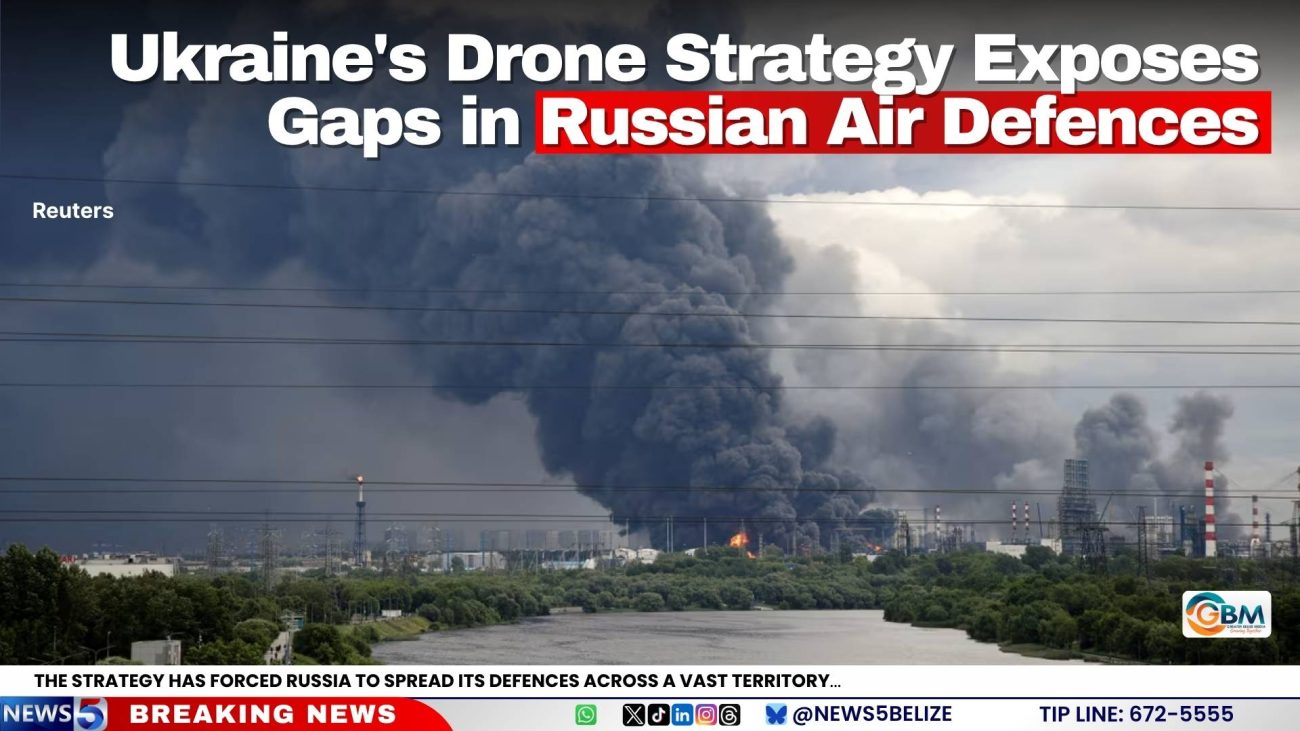
Videos from the Russian capital showed soldiers firing portable air-defence weapons from highways and civilians running for cover as drones and debris fell near populated areas. In one incident, what appeared to be a Russian air-defence missile reportedly struck an oil storage tank after missing its target.
Military analysts say Ukraine has spent years improving its drone capabilities while targeting Russian radar systems and air-defence launchers. The strategy has forced Russia to spread its defences across a vast territory, making it harder to protect key locations.
Experts also note that many Russian air-defence systems were originally designed to intercept aircraft and missiles, not large waves of small drones. As a result, Ukraine’s tactic of launching more than 100 drones at once can overwhelm defences, allowing some to reach their targets.
Although Russian authorities claim they continue to shoot down large numbers of Ukrainian drones, repeated attacks on Moscow, St Petersburg, oil facilities and military sites suggest that Ukraine is increasingly finding ways to penetrate Russia’s defences.
Analysts warn that unless Russia significantly upgrades its air-defence network, it may continue to struggle against the growing threat posed by coordinated drone attacks.