


Belize Stands at Health Policy Crossroads Amid U.S. Concerns
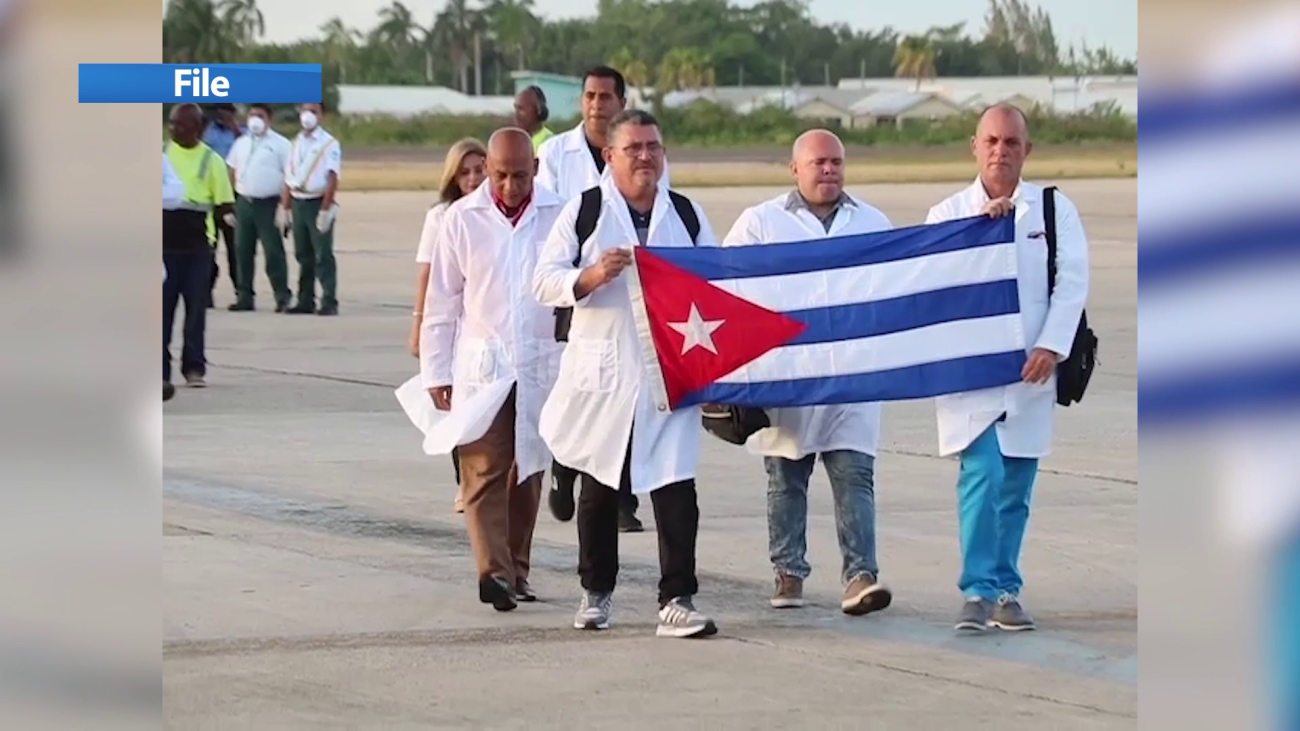
And staying on the health front, where do things stand between Belize and the United States over the Cuban medical brigade? Washington has been pushing hard, calling the program a form of forced labor and urging Belize to walk away from it. But the issue is far from settled. Today, Prime Minister John Briceño gave an update on those discussions, shedding light on how his government is navigating the pressure while weighing the critical role Cuban doctors continue to play in Belize’s healthcare system.
Prime Minister John Briceño
Prime Minister John Briceño
“We are still hopeful we can work some kind of agreement with the Cuban government that they would allow the medical brigade members to stay if they want to stay and still meeting what is expected from the Americans who are saying this is a form of human trafficking, to address that so that we can say they are working on their own free will and this is money to them and not the state. But as we have been saying from the start we are paying the doctors directly and not the government.”
These discussions follow decisions from countries across the region to expel Cuban medical brigades because of U.S. pressure.
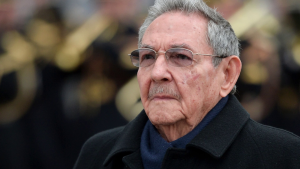
Raúl Castro
Briceño Rejects U.S. Indictment of Raúl Castro as “Unjustified”
Staying on developments involving Cuba, Prime Minister John Briceño is taking a firm stance tonight, condemning the United States’ indictment of former Cuban President Raúl Castro. The ninety-five-year-old Castro now faces serious charges of murder and conspiracy tied to the fatal 1996 shootdown of two unarmed civilian aircraft. But Prime Minister Briceño says those charges are unjustified and cannot be supported. Weighing in on the controversy, he’s calling out the move by U.S. authorities, even as the decades-old incident resurfaces on the international stage.
Prime Minister John Briceño
Prime Minister John Briceño
“I find it troubling that the US would not indict former president Raul Castro at ninety-five years old for something that happened in the 1990’s, for something from what I read and know, the Cuban government was complaining that these people were constantly violating their airspace. So, they were forewarned many times and eventually had to protect their sovereignty. It is not something I condone or support. I do not think it is the right thing, but when it comes to Cuba, the Americans have a totally different outlook on that. It is certainly something small countries are concerned of, we in CARICOM. We have always taken the position of CARICOM. We are very concerned when any country starts to interfere with the sovereignty of any country. Again, Cuba is a special case when it comes to the Americans.”
The attack killed four men, three U.S. citizens and one permanent resident.
Attention readers: This online newscast is a direct transcript of our evening television broadcast. When speakers use Kriol, we have carefully rendered their words using a standard spelling system.
Watch the full newscast here: