


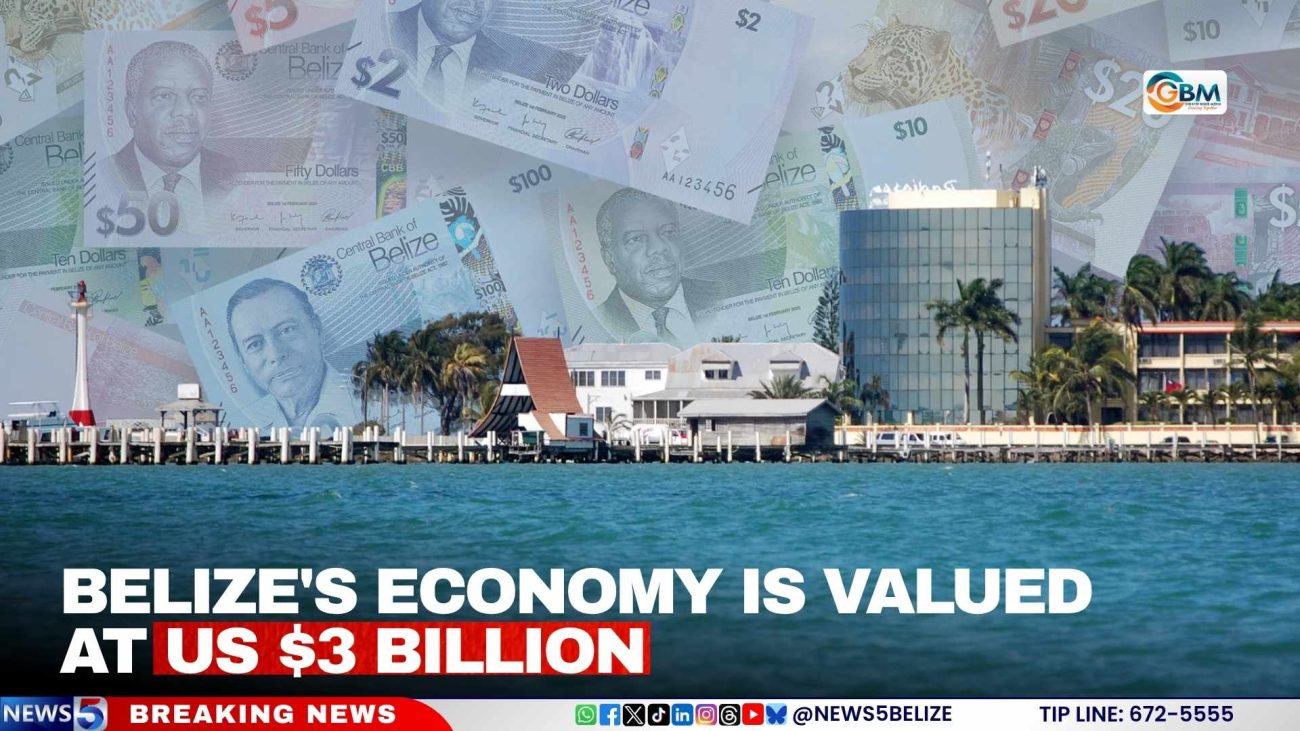
Belize’s Economy is Valued at US $3 Billion
This week, the World Bank Group’s Board of Executive Directors approved a new Country Partnership Framework, which lays out how they plan to work alongside Belize’s government over the coming years to support economic growth led by the private sector.
According to the World Bank, Belize’s economy, valued at around US$3 billion, has made major progress in recent years. The organisation credits government reforms for helping reduce public debt from 103 percent of GDP to 62 percent, while unemployment has fallen to what it describes as a “historic low of 2.1 percent.”
While economic growth has also bounced back, major challenges remain. Tourism, which makes up nearly half of Belize’s economy, remains highly vulnerable to climate change. The continued damage to Belize’s barrier reef threatens tourism, fishing, and agriculture, while also increasing the country’s risk during climate-related disasters.
Under the new strategy, the World Bank says it will help fund improvements to water systems, sanitation, waste management, and farming practices that can better withstand climate impacts, especially in coastal communities. The plan also hopes to help Belize grow into a transportation and trade link between the Caribbean and Central America.
Prime Minister John Briceño welcomed the partnership, saying the government remains committed to building on the country’s economic progress while creating more opportunities for Belizeans. “This partnership with the World Bank Group will support us in that effort,” Briceño said.
Another major focus of the strategy is energy. “Despite a near 50 percent increase in energy demand at peak, half of Belize’s electricity is imported on volatile spot-market terms and little new generation capacity has been added in over a decade,” the World Bank states. To help fix that, the plan includes improving energy policies, upgrading management of the electricity system, and encouraging more private investment in the energy sector.
The strategy also points to a shortage of skilled workers and a large gap between men and women in the workforce. By mid-2025, less than half of working-age women were employed or looking for work, compared to nearly three-quarters of men. The World Bank says childcare responsibilities are one of the biggest reasons for that gap.
To help address the issue, the plan proposes more investment in early childhood education and childcare services in underserved communities, giving more women the chance to work or continue their education.
“The World Bank Group is steadfast in supporting Belize’s next phase of growth,” said Lilia Burunciuc, World Bank Director for the Caribbean.
The strategy will combine resources from the IBRD, IDA, IFC, and MIGA, under what it calls a “One World Bank Group” approach.