


Education and Stronger Systems Key to Ending Violence Against Women
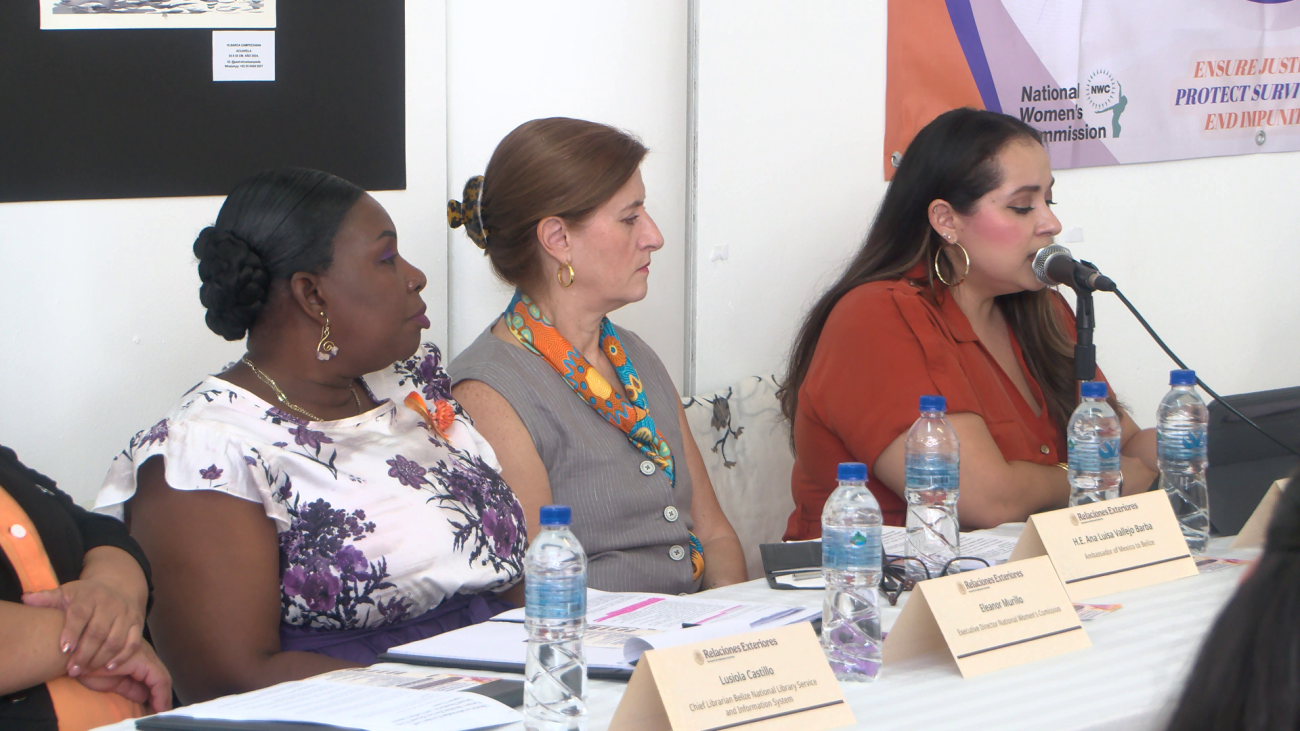
A panel discussion was held in Belize City today as part of the Sixteen Days of Activism Against Gender-Based Violence. It brought together advocates, policymakers and diplomats to look at what is still leaving women vulnerable, and what more must be done to turn awareness into action. It comes as Belize has a stronger legal framework against domestic and intimate partner violence, and the focus was on supporting survivors and who is responsible for ending violence against women and girls. Here is what the speakers said.
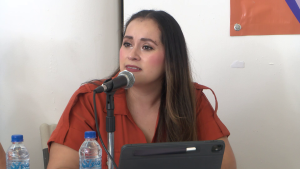
Patricia Cortes Patrana
Patricia Cortes Patrana, Academic & Public Servant
“Although political violence is a particularly relevant issue in my professional field, the responsibility to eliminate violence against women extends far beyond the electoral institution. That responsibility belongs to all of us. Through this conversation, we have explored the different manifestations of violence, the barriers that perpetuate it, and the progress we have made in recognizing women’s right to protection. But understanding the problem isn’t enough. The question now is, what can we do to be part of the solution? Transformation begins with education.”
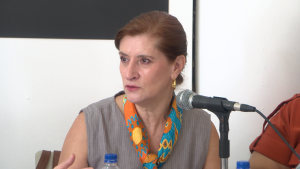
Ana Luisa Vellejo Barba
Ana Luisa Vellejo Barba, Ambassador of Mexico to Belize
“By aligning advocacy efforts with international firms, neighboring countries can push for stronger regional accountability standards and share strategies for engaging non-traditional entrepreneurs. This way, we can continue working together and making these efforts more fair.”
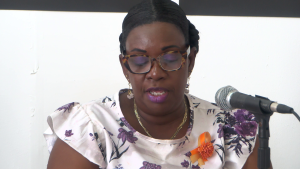
Eleanor Murillo
Eleanor Murillo, Executive Director, National Women’s Commission
“We also cannot stop the growing public awareness that survivors know their rights, where to seek help, and can access services without fear of stigma or discrimination. And, of course, we need to strengthen our data collection and case management systems to improve coordination, monitor outcomes, and identify service gaps. When it comes to justice, again, we have made progress in strengthening legal and institutional response to violence against women, implementing legislative reforms, improving policies, specialized support services, and strengthened partnerships among agencies.”
Belize’s new Domestic and Intimate Partner Violence (Prohibition) Act, 2026 strengthens protections for survivors and holds perpetrators more accountable.
Attention readers: This online newscast is a direct transcript of our evening television broadcast. When speakers use Kriol, we have carefully rendered their words using a standard spelling system.
Watch the full newscast here: