


Ethnic Leaders Assert Rights But Reject Division
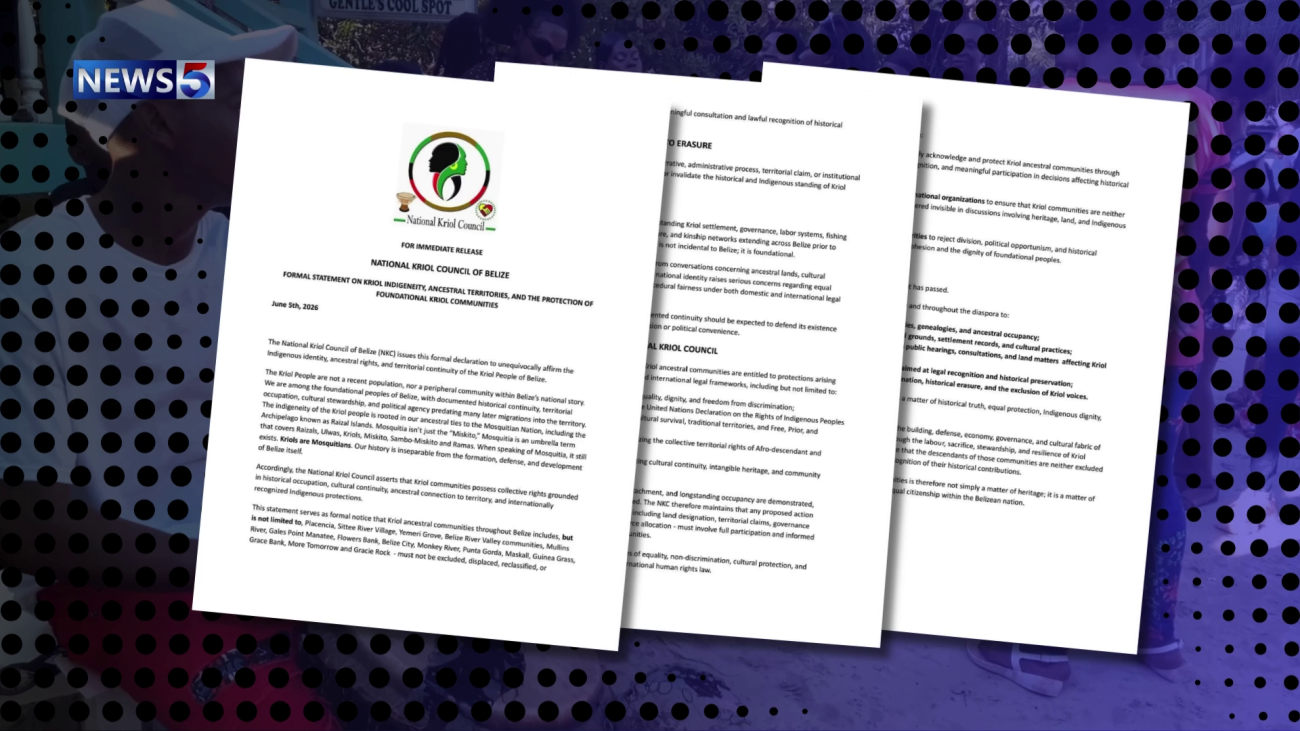
Questions surrounding land ownership, ancestral occupation, and customary land rights are once again at the forefront of national discussion. Joining the conversation is the National Kriol Council which has issued a release asserting traditional land rights for creole Belizeans. It’s a national conversation that includes the National Garifuna Council which recently launched its Legal Defense Fund to fight for Garifuna indigenous land rights and the Maya people who continue the demarcation process of their customary lands in Toledo. Tonight, News Five’s Shane Williams takes a look at the recent claims each group is making.
 Shane Williams, Reporting
Former Prime Minister Said Musa once famously said, “I will not preside over the balkanization of Belize.” Land has long been one of Belize’s most sensitive and complex issues. Today, three of the country’s major ethnic groups: the Maya, Garifuna and creole people are each advancing claims rooted in history, culture and ancestral occupation. The National Kriol Council recently issued a statement identifying communities such as Placencia, Seine Bight, Belize City, the Belize River Valley, Punta Gorda, Yemeri Grove and others as traditional Kriol settlements with historical and cultural significance.
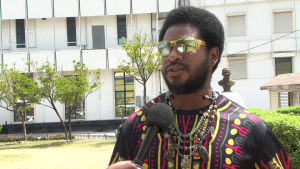
Wilford Felix
Wilford Felix, President, National Kriol Council
“What is also important to note historically is that Creole, they along before Garifuna, Yucatec, and Kekchi. Right? Whereas the Garifuna culture developed on St. Vincent and then brought to Belize via Roatán, Honduras, whereas the Kekchi culture developed in the Petén and then brought down to Belize, whereas the Yucatec culture developed in the Yucatán, then brought down to Belize, the Belize Creole culture developed right here, and we have been here close to 200 years before any other group. So while the Garifuna are claiming indigeneity and the Maya are enjoying the status of indigeneity, the only next natural step is for Creole to be included in that conversation.”
Meanwhile, the Maya people continue the process of demarcating customary lands in Toledo and are preparing to go back to the Caribbean Court of Justice for clear instructions to be issued to Government.
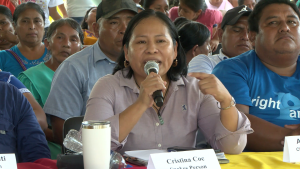
Cristina Coc
Cristina Coc, Spokesperson, Maya Leaders Alliance
“The court has made it clear that where Maya land tenure exists, where Maya people are customarily using their land, where they are practicing their tradition, spirituality, their cultural patterns of land use, that they have rights to this land equal to any other form of property rights found in Belize. Yeah. The court also said another important thing. The court said that where titles were given to others before and after this affirmation, those titles do not extinguish Maya customary rights. Our property rights as Maya people did not begin in 2015. So the situation is that there are two competing interests on the same land.”
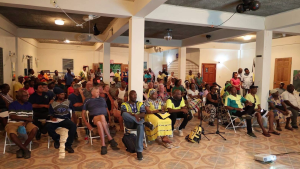 And the National Garifuna Council advocates for recognition of Garifuna ancestral rights in communities including Hopkins and Seine Bight have launched their own Legal Defence Fund to take their fight to court.

Ifasina Efunyemi
Ifasina Efunyemi, Assistant Treasurer, National Garifuna Council
“For those persons that on- don’t understand what indigenous means, one of the things that it means is existing in territory before the colonizer, and we did. We existed. We lived, occupied, developed in the indigenous way these co- this coast, the southern coast of Belize. We were the first to occupy it. I dare anybody to come and try to prove otherwise. We were the first to occupy the southern coast of Belize from the Sibun to the Sarstoon, and it is our presence that made it possible for the British to expand its boundary to the Sarstoon because we were here.”
As Belize continues grappling with questions of ancestry, identity and ownership, the challenge may lie not only in defining rights to the land, but in ensuring those conversations unite rather than divide the people who call it home. Shane Williams for News Five.
What happens next will test whether Belize can reconcile competing ancestral claims without hardening divisions on the ground. We’ll keep following this story.
Attention readers: This online newscast is a direct transcript of our evening television broadcast. When speakers use Kriol, we have carefully rendered their words using a standard spelling system.
Watch the full newscast here: