


Lab Results Pending in Massive Belize River Fish Kill
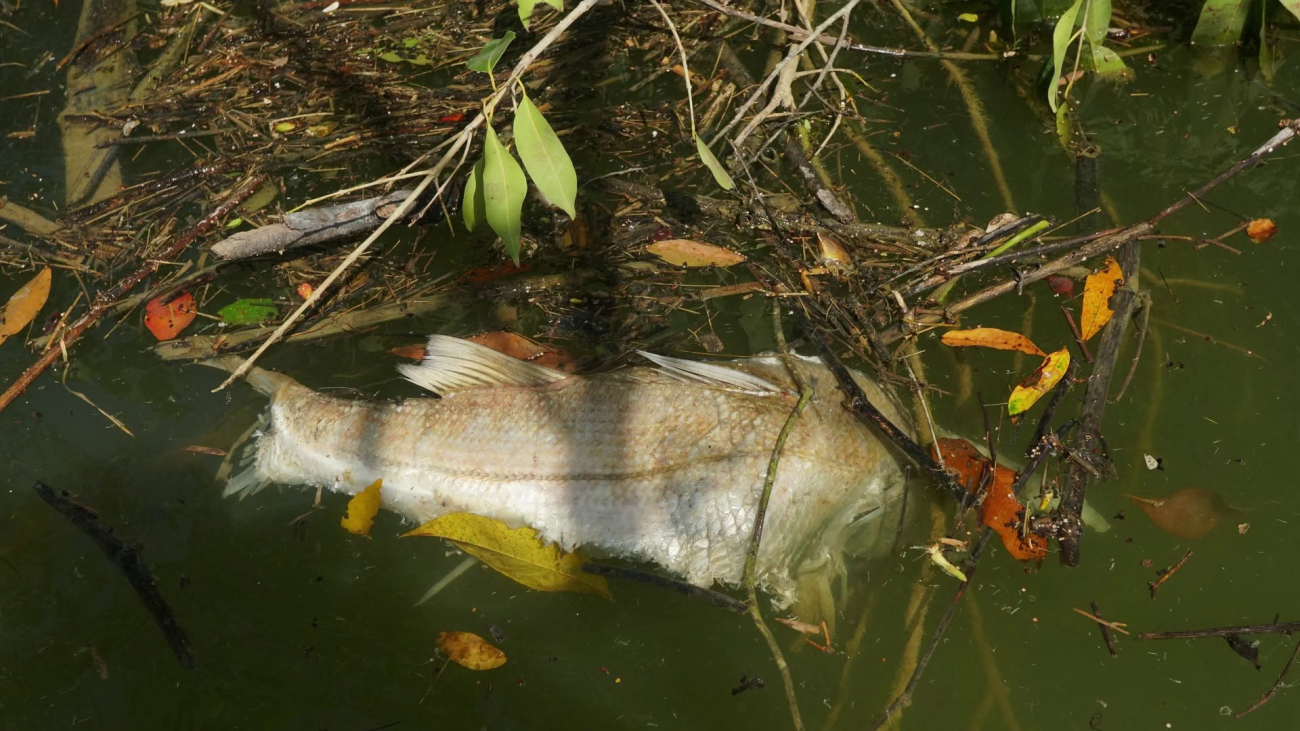
Investigators are still waiting on lab results that could explain last week’s massive fish kill in the Belize River Valley, as the Department of the Environment expands its probe into what triggered the die-off. While preliminary assessments found dangerously low oxygen levels and other abnormal water quality conditions along the seventeen-and-a-half-mile stretch of the river, officials say no source or responsible party has yet been definitively identified. Now, researchers from across Belize are joining the efforts to reveal the cause. News Five’s Britney Gordon reports.
 Britney Gordon, Reporting
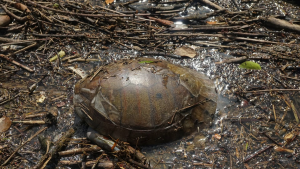
Last week, hundreds of dead fish were discovered along the Belize River Valley, raising concerns among residents and environmentalists. Reports of dead crocodiles and endangered hicatee turtles have since heightened the alarm. While conditions appear to be improving, investigators are still working to determine the cause of the fish kill. Chief Environmental Officer Anthony Mai says the Department of the Environment is working with thirteen local agencies on the investigation.
Anthony Mai
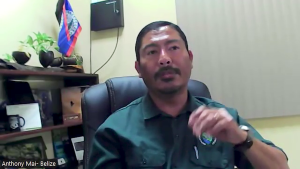
Anthony Mai, Chief Environmental Officer
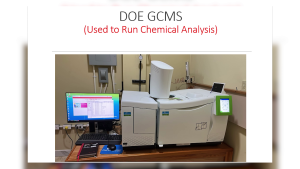
“All the tests and sampling that we’re doing are being done in Belize, right? With the right equipment that we have. So for example, we’re getting SIRDI to do some of the soil sampling for us. The Department of Environment now has what is called a GCMS, which is a highly accurate and precise equipment that could test for many different parameters. So we’re doing the chemical analysis, using the GCMS is being done in-house at the Department of Environment.”
 As authorities await test results to determine what caused the fish kill in the Belize River, researchers from the Savanna Field Station are carrying out their own investigation. Research Director Dr. Donald McKnight says that while the worst of the event appears to have passed, the impact was severe.

Donald McKnight,
Dr. Donald McKnight, Research Director, Savanna Field Station
“Even though the fish have stopped dying, if birds and other animals continue to eat the dead fish, the impacts may spread out from the river and actually affect a broader community of organisms. But also even just in the river, so we know that multiple hicatee died. Their populations are really low to begin with. Like I said, they’re a critically endangered species, so any, any added mortality on the hicatee, like any added things that are killing them, are a really big problem. But also, one of the things we saw with the fish was that a lot of the species that were dying were the really big predatory fish, things like your snook. And that’s a problem for multiple reasons.”
Investigators are still looking at agricultural runoff as a possible cause of the Belize River fish kill. Fertilizers loaded with nitrogen and phosphorus can trigger algae blooms, drain oxygen from the water, and threaten wildlife. So far, officials say low oxygen, not chemical contamination, appears to be the main factor. But tests on fish organs are still underway. Chief Environmental Officer Anthony Mai says satellite images also show recent flooding may have played a role.
 Anthony Mai
“We have satellite imageries currently that shows that a large area within the same agricultural sector, so the rice field, for example, the southern portion of Santander farm and some other farms around during, just before the event, um, were severely flooded. There was a significant flooding event, and we have satellite imagery to show, um, the area that was flooded. And we have when it was, when the flooded event started and when the flooding event ended. And that large amount of water from this field went into the river.”
 As speculation grew about the cause of the fish kill, some members of the public pointed to Santander Sugar’s operations in the Cayo District. The DOE launched an investigation into the company which Mai says has fully cooperated. Santander maintains that it follows its approved Environmental Compliance Plan and routinely monitors its operations to protect nearby waterways.
Anthony Mai
“We have the Pesticide Control Board, for example, conducted inspection at Santander in relation to pesticide use. They looked at the possibility of any area spraying in the area. And so with the information that the Pesticide Control Board collected in relation to the type of agrochemicals that are being used, we’ll compare that to the results from the GCMS and see if there’s any correlation again. So this work is being done by local Belizean expert using local capacity and local technology. So I’m very pleased to say that for this, we didn’t have the need to send any samples abroad. It was done completely in country, which is a major step for us.”
The company says processed water is recycled and reused rather than routinely discharged into the Belize River and that residual materials from sugar production are recovered and used as fertilizer in its cane fields. Mai anticipates that the results of the test should be finalized by next week. Britney Gordon for News Five.
Attention readers: This online newscast is a direct transcript of our evening television broadcast. When speakers use Kriol, we have carefully rendered their words using a standard spelling system.
Watch the full newscast here: