


Public Urged To Avoid Crocodile Interaction
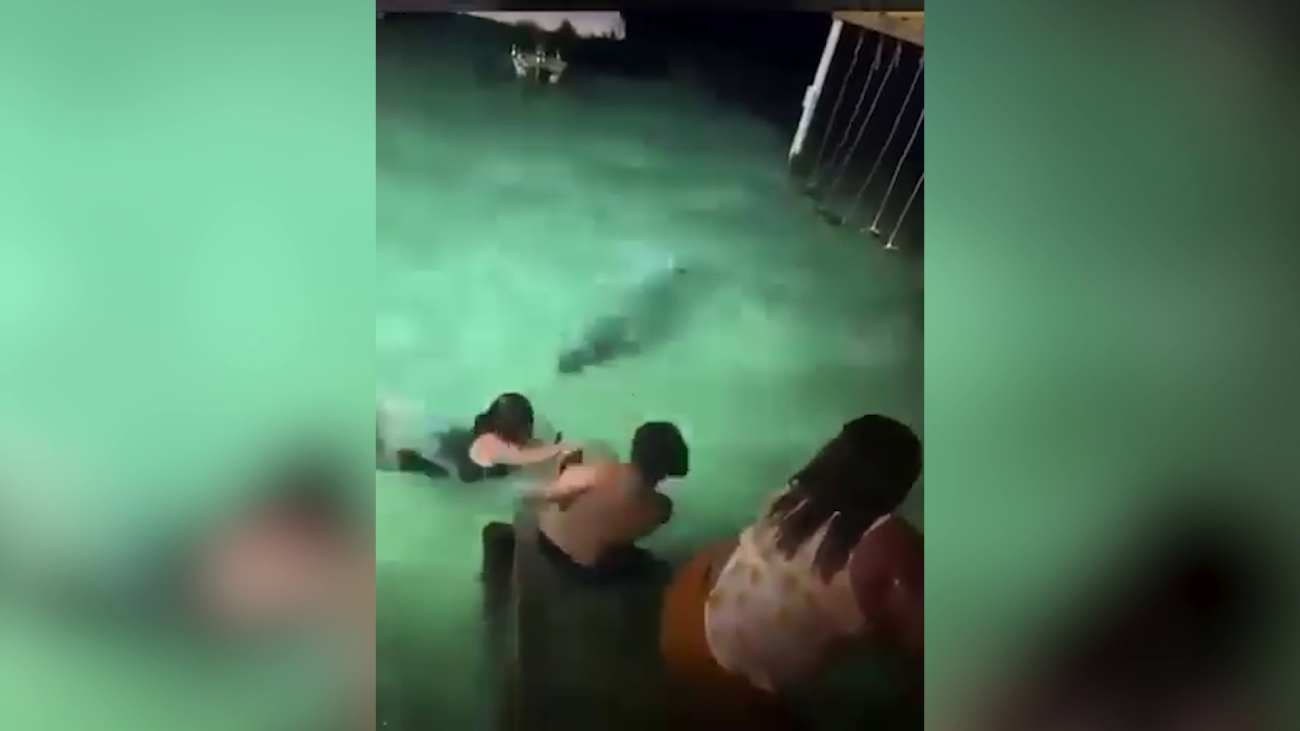
As concerns grow over unsafe encounters between people and crocodiles, the Belize Forest Department and its conservation partners are urging the public to exercise greater caution around the reptiles. The advisory follows a recent incident in Caye Caulker during which a group of people socializing were approached by a crocodile, narrowly escaping contact. Wildlife experts say the incident highlighted the dangers of feeding or interacting with crocodiles as such behavior can alter the animals’ natural instincts, increasing the risk of dangerous human-crocodile encounters. We spoke with the Executive Director of Crocodile Research Coalition for more information on the matter.
Marisa Tellez
Dr. Marisa Tellez, Executive Director, Crocodile Research Coalition
“I used to work on Caye Caulker quite often, and in 2016 we published a paper discussing how Caye Caulker was a role model for the country as well as around the world in regards of coexisting. There are crocodiles everywhere, but there was something that was happening during that time or wasn’t happening during that time that is happening now, and that is feeding of crocodiles. We have been notified by various residents as well as tourists on Caye Caulker that they are being approached to feed crocodiles, and this can change the natural behavior of these animals. What we saw in that video is not natural behavior of an American crocodile, and this is something I also discussed with fellow crocodilian behaviorists around the world. I did share this video with others just to also get their input and their knowledge and expertise, and they all mentioned that this animal had been habituated. And again, we do know about the feeding of these animals. So any time that now someone is going into the water, especially during the sun, you know, when the sun is setting or even nighttime, that is their time to go hunt. So now they have been habituated and they hear splashing. They also hear human voices because now they have been trained, “I hear humans, I get food.” So that is bringing the crocodiles now closer to humans than it did before in previous years. So if you do see a crocodile that is coming close to you, approaching you, I know this is gonna sound really crazy, but do not splash. When you are splashing, when they hear that, that goes in an instinct, “Ah, that is scared or injured prey,” and that will actually make them come closer to you. So you have to fight instincts, and you have to remain calm, and you want to go toward the shore, not putting your back towards crocodiles. If you put your back towards a predator, especially towards a crocodile, you are showing that you are scared, and that, that will actually lead to an attack as well.”
The Forest Department urges the public to report crocodile concerns and practice responsible coexistence with the animals.
Attention readers: This online newscast is a direct transcript of our evening television broadcast. When speakers use Kriol, we have carefully rendered their words using a standard spelling system.
Watch the full newscast here: