


Nearly Forty Groups Call for End to Single-Use Water Pouches
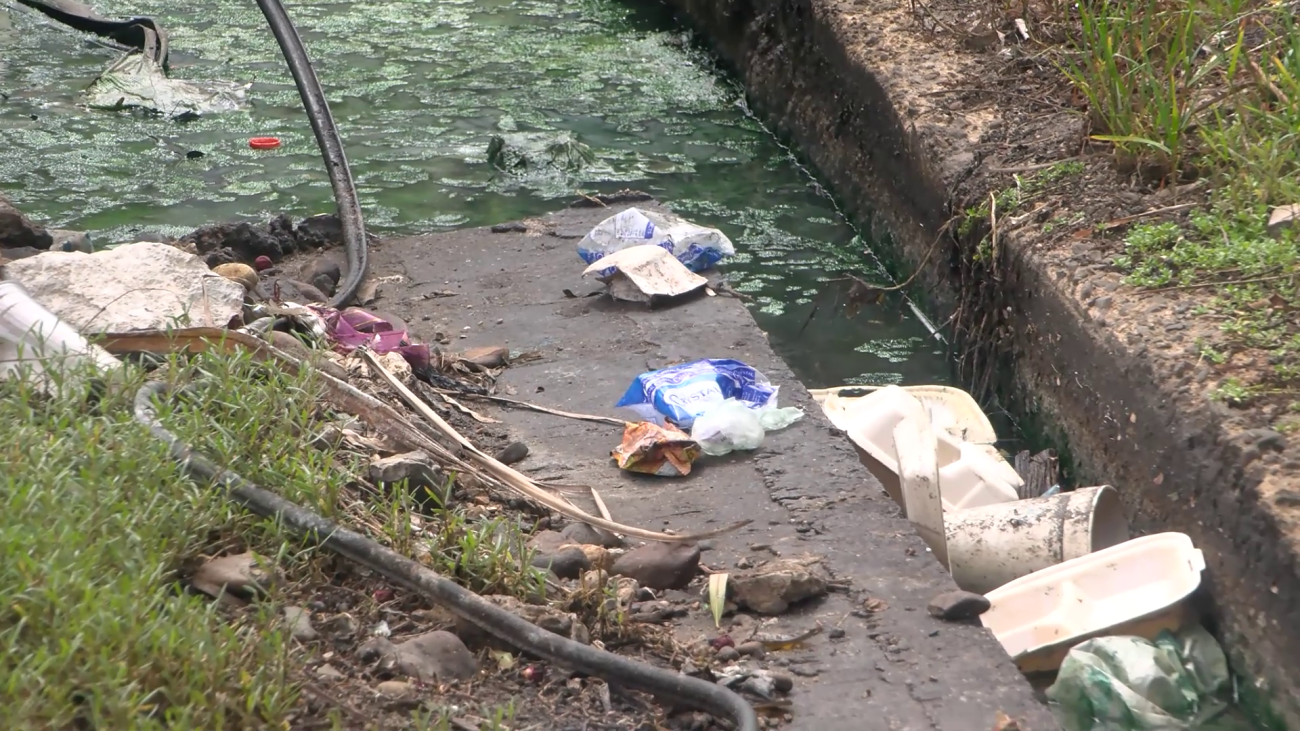
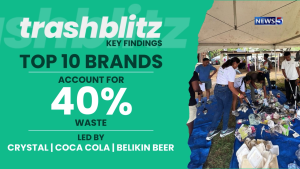
Every day, thousands of plastic water pouches are tossed aside across Belize. Many end up clogging drains, littering streets, and washing into rivers and the sea. Now, a growing coalition of nearly forty organizations, businesses, and institutions says enough is enough, urging the government to set a firm timeline for removing the single-use pouches from the market. Armed with new research showing that plastic accounts for most of the country’s waste problem, the group is pushing for a nationwide shift toward reusable and refillable alternatives. But will policymakers take the next step? News Five’s Britney Gordon looks at the proposal and the government’s response.
Britney Gordon
Britney Gordon, Reporting
“Its summer, which means you’re probably drinking more water and many of you are reaching for water pouches like these. They’re cheap, convenient, and refreshing. But where do they end up when you’re done with them? Are you tossing them in the trash or are they ending up on the ground?”
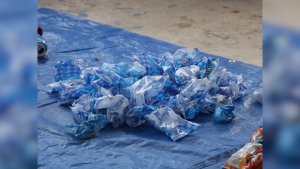
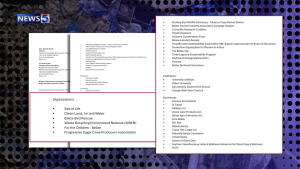 Single-use water pouches have become one of Belize’s most visible sources of plastic pollution, littering streets, waterways, and the coastline. Now, a coalition of nearly forty organizations is calling for a phased, three-year ban that would begin with government events, expand into schools, and eventually eliminate the pouches nationwide. The proposal also promotes reusable alternatives to reduce waste and boost Belize’s environmental credentials. Environmental consultant Alejandra Pedraza developed the plan after witnessing firsthand just how widespread the problem has become.
Alejandra Pedraza
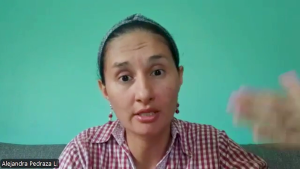
Alejandra Pedraza, Environmental Consultant
“The phase out in three years, we came out with, I came out with that idea because I work with policy, with environmental policy as well. So when you try to implement changes, like really, one day to another, that creates like a lot of impact and a lot of reactions from the public. So when you just give the people, like some time to adapt for it, it’s better. And of course, people i0s you have more time for awareness, you have more time for a, for implementing in a better way the things that you wanna do, right? So yeah, basically that’s why we came with this three-year phase out. Probably if it needs to be longer, it can be longer.”
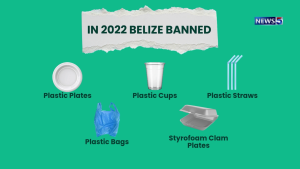 Back in 2022, Belize banned several types of single use plastics; including cups, straws, plates and some plastic bags. But plastic pouches weren’t on that list. Belizean law currently requires plastic products to contain at least fifty percent biodegradable material, allowing them to break down more easily over time. Chief Environmental Officer, Anthony Mai says the department is still in discussion with importers and manufacturers to see how they can adapt to meet Belize’s standards.
Anthony Mai
Anthony Mai, Chief Environmental Officer
“We had a sit-down with the manufacturers individually, and we gave them a timeframe for them to be able to adjust the system that they have to meet the national standards. The timeframe, we believe was reasonable because the manufacturers invest a significant amount of money, amount of money in being able to produce these products, and they have expertise that were not locally available. They had to get expertise from abroad to come in and advise them on how to adjust the system to be able to meet the national standards”
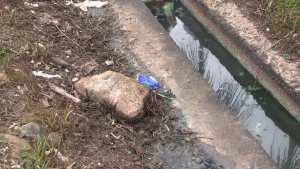 Manufactures have been given until December 2026 to meet Belize’s plastic standards. But environmental advocates say the problem is far from solved. They argue that plastic waste continues to threaten wildlife, choke waterways, and pollute communities across the country, despite existing regulations aimed at reducing the environmental impact of plastics.
Britney Gordon
“Although there’s a bin right here, just a few feet away, I counted several of these pouches in the drain among several other pieces of litter.”
The coalition, made up of universities, conservation groups, and tourism stakeholders argue that a phased national ban would curb visible waste and elevate Belize as a regional leader in tackling plastic pollution, with environmental activist Brianna Zabaneh‑Boyd among those signing on in support.
Brianna Zabaneh-Boyd
Brianna Zabaneh-Boyd, Environmental Activist
“ In a year and four months I did about ten cleanups throughout the south. And I track them all through CleanSwell, which is a tracking app through Oceana. And it estimated to about twelve hundred pounds of garbage in that timeframe. And majority of it, if I remember correctly, were single-use plastics not specific to the water pouches but also the juice pouches that you’d find about as well. So when I heard of the campaign of banning or mitigating the single-use plastics concerning the water pouches, it was a no-brainer for me.”
 The Department of the Environment is not ruling out the proposal, but officials say they want to tackle the issue step by step.
Anthony Mai
“I think that’s a very fair and reasonable approach. And so for us, what we need to do is a decision like this cannot be made solely by the Department of Environment because, again, it wouldn’t be transparent. And so we plan to meet with the key stakeholders that are involved with importing and manufacturing these products. In fact, our records suggest that we have about thirty-six different companies that import, various types of water pouches or pouches, in general. And so we need to meet with each one of them, present the idea to them, try to kind of understand how this will impact their internal processes, et cetera, and then collect all the information and we make a final determination.”
 In the meantime, the department has rolled out a nationwide anti-litter campaign, distributed garbage bins to municipalities, helped villages improve waste collection, and cleared nearly three hundred and fifty illegal dumpsites. Authorities are also strengthening enforcement by expanding ticketing powers to local officials and police. Britney Gordon for News Five.
Attention readers: This online newscast is a direct transcript of our evening television broadcast. When speakers use Kriol, we have carefully rendered their words using a standard spelling system.
Watch the full newscast here: