


Policy To Manage Immigration in Belize Sustainably
Belize is moving closer to adopting its first-ever National Policy on Migration and Development. The initiative, led by the Ministry of Immigration, Governance and Labour, aims to transform the way the country manages migration by linking it directly to economic growth, workforce development and national planning. Shane Williams reports.
 Shane Williams, Reporting
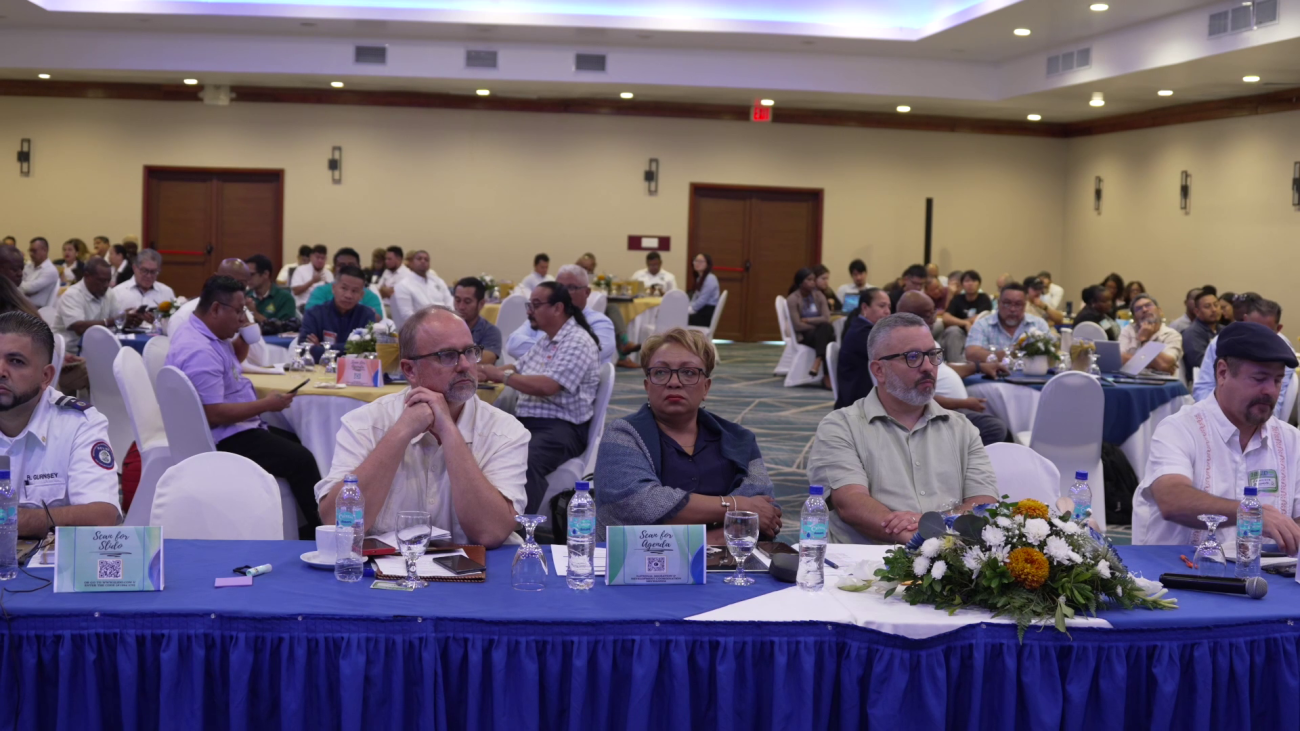
More than one hundred and fifty stakeholders from across Belize and the diaspora took part in a national validation session for the country’s first comprehensive migration policy. According to Minister of Immigration and Labour Kareem Musa, the initiative is designed to provide a coordinated approach to managing migration in Belize and ensure that it is in line with our national development needs.

Kareem Musa
Kareem Musa, Minister of Immigration, Governance and Labour
“Currently we do not have a migration policy and a development policy in place. The purpose and intention behind coming up with this migration policy is to look at all these various aspects and for us to see what suits Belize in terms of our various policies for labor. As you know, we often encounter labor shortages, not just in construction, but in the agribusiness and hospitality fields. And so we have to have these various departments be on the same page, talking to one another, using the data that we all gather to come up with this formulated position on what our development policy is going to be.”
 Musa says he is now ready to take the policy to Cabinet for approval and that international partners also played a key role in it’s development. The United Nations Development Programme provided technical assistance throughout the process and says the effort reflects a broader commitment to supporting national development priorities. UNDP’s Deputy Resident Michael Lund identified common concerns from residents about mass immigration.
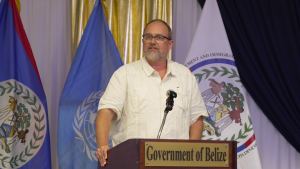
Michael Lund
Michael Lund, Deputy Resident Representative, UNDP
“Belize’s diversity is one of its defining national characteristics shaped by generations of movement, settlement, exchange and shared experiences. With this said, migration often raises important questions. For Belizeans, migration can raise legitimate concerns about employment opportunities, fair wages, access to public services and the availability of communities to respond to growing demands.”
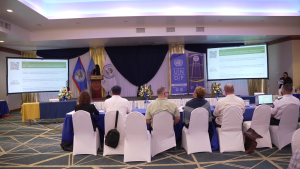 Musa says migration must be viewed as more than just a border management issue. As thousands of Belizeans leave for better opportunities abroad so too do thousands of immigrants seek opportunities in Belize. Balancing Belize’s labour needs while protecting national interests and opportunities for Belizean citizens is a complicated task.
 Kareem Musa
“We have some 50,000 Belizeans that have emigrated to the United States and to other parts of the world. And we have a significant part of our workforce, I believe some 25% in terms of our agricultural workers come from outside of Belize. And so we have to look at it from an investment and a business standpoint for our economy, while at the same time protecting our Belizean worker. What we have established is that there are certain fields that Belizean workers might not be interested in. We see certainly an uptick in the BPO sector, whereas a lot of Belizeans might not want to work in the banana industry. And so those are economic realities that we have to face, and whenever there are shortages, that is why we have to have this policy, that we can look outside of Belize to say can we recruit individuals, even if it’s just seasonal.”
For Minister Musa and his team, the policy represents a significant step toward modernizing migration governance and ensuring that migration serves as a tool for sustainable national development. Shane Williams for News Five.
Attention readers: This online newscast is a direct transcript of our evening television broadcast. When speakers use Kriol, we have carefully rendered their words using a standard spelling system.
Watch the full newscast here: