


Social Media Lawsuit Collides with Push for Digital Media Regulation
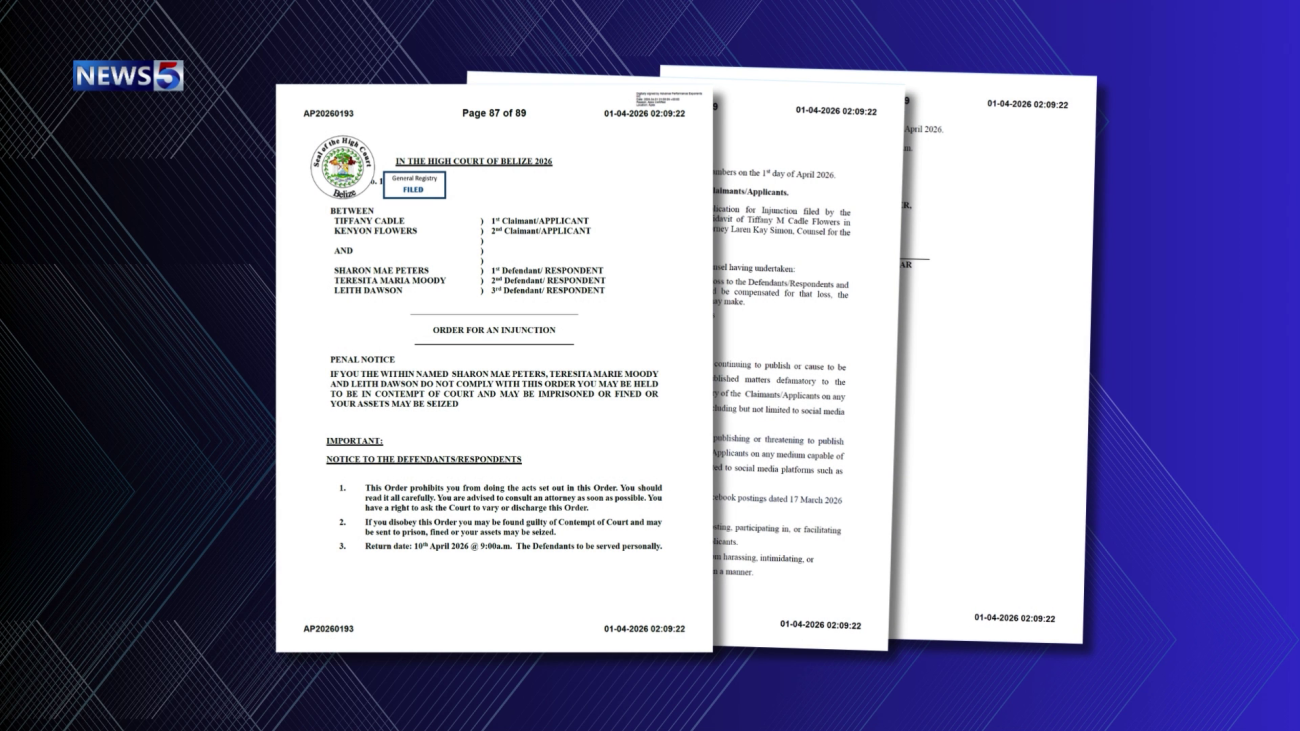
A High Court defamation case and a proposed overhaul of Belize’s broadcasting laws are converging around one central issue: who should be held accountable for what is said online? Attorney Tiffany Cadle and Kenyon Flowers are seeking a default judgment against three defendants, including Sharon Mae Peters, Teresita Moody, and Leith Dawson, accused of failing to file a defense in a lawsuit over alleged defamatory remarks made during a social media livestream. As the case moves forward, lawmakers are considering legislation that could expand oversight of digital media, potentially reshaping how disputes like this are handled in the future.
 Britney Gordon, Reporting
As Belize debates new rules for online broadcasters and digital media platforms, a High Court defamation case is adding fuel to the conversation about accountability online. The proposed Broadcasting Act, 2026, could expand regulation in the digital space, prompting questions about who should be licensed and how online content should be governed. Attorney Tiffany Cadle says freedom of expression is a right, but so is the responsibility to ensure published information is accurate.
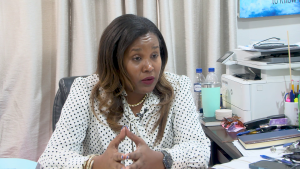
Tiffany Cadle
Tiffany Cadle, Claimant
“What is important here, and what I hope that we get from all of this, is that these people, all of these online people who call themself activists or who call themselves whatever it is that they want, that has an audience of people, they believe that the rules which speaks in, on defamation or the different rules per se that Channel 5, Channel 7 have to abide by in terms of whatever information you put out to the public, you must ensure that the information is correct.”
Cadle said the dispute stems from a live broadcast in March during which, she alleges, false and defamatory statements were made about her and her husband. Cadle secured an emergency court injunction in early April ordering the defendants to remove the broadcasts and stop making the allegations. But she says the first defendant ignored the order and repeated similar claims several times, including during another talk show over the Easter weekend. Cadle attempted to pursue a cyberbullying charge, but no police action has been taken.
 Tiffany Cadle
“Now, I have no problem with people expressing their views online and bringing awareness to things that are happening in the country, maybe where we would not have known. But they must ensure that the things they’re saying and they’re doing, they are accurate. The information that they’re broadcasting is not false information. That is where my issue is, and that is the reason why this case hits me and why I had to sue them.”
 One of the major public concerns surrounding the bill is who it would apply to. The Belize Broadcasting Authority has clarified that the proposed law is not intended to regulate ordinary social media users, but rather online services that operate like traditional broadcasters. Under the proposal, licensing would primarily target commercial online broadcasters, with factors such as audience size, broadcast frequency, and commercial benefit helping determine whether a license or exemption is required. As the debate continues, Cadle believes the legislation should also capture frequent livestreamers who engage in public commentary.
 Tiffany Cadle
“ What really the act is supposed to be doing is to provide legislation to protect the dissemination of information by news outlets and online. So if it is that that the act is going towards, then there should be no exemption. If it is that you have a platform where you are calling yourself activist, you go up there and make certain comments, whether it’s political comments, whether it’s religious comments, whether it’s just things happening in your community, you ought to be able to have a license and you ought to be able to show that you are a responsible individual to be able to get a license.”
Cadle said the case has been adjourned until October sixth, with the court ordering judicial settlement talks, while allegations that the first defendant breached a court injunction remain before the court. Britney Gordon for News Five.
Attention readers: This online newscast is a direct transcript of our evening television broadcast. When speakers use Kriol, we have carefully rendered their words using a standard spelling system.
Watch the full newscast here: