


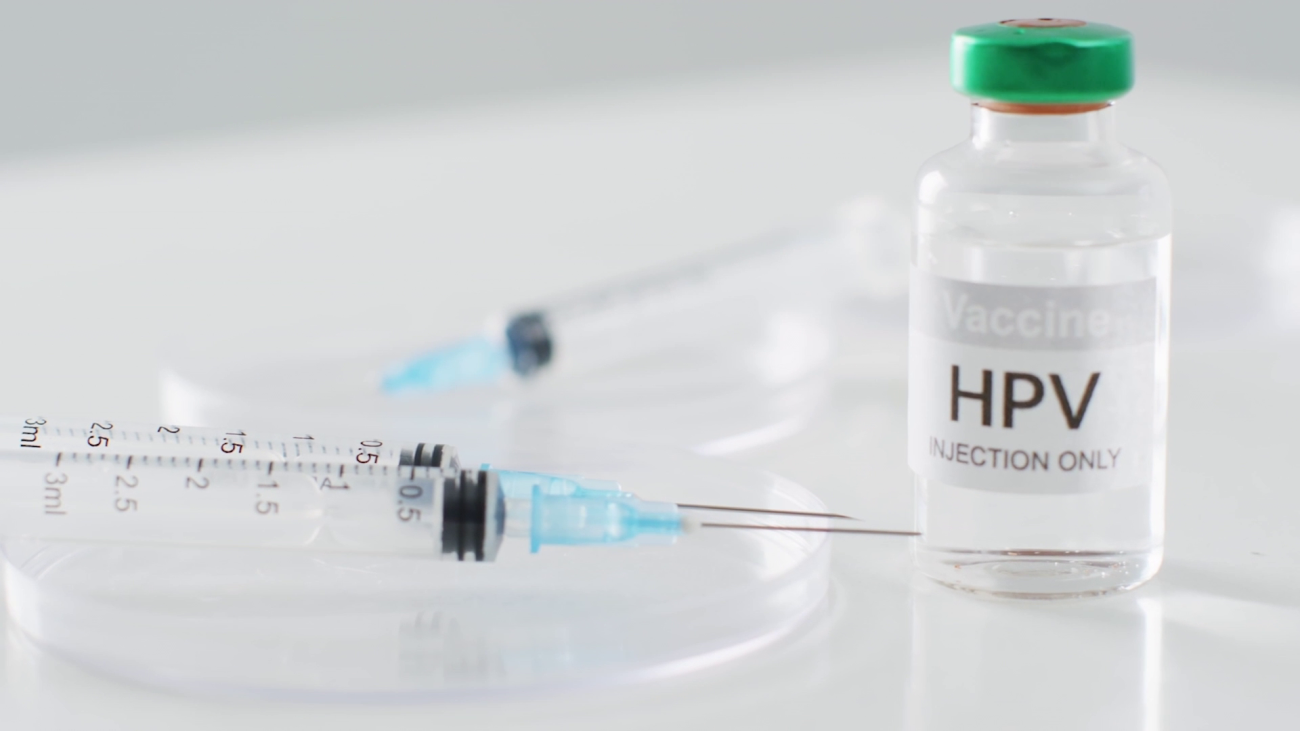
Who’s Telling the Truth About HPV Vaccines in Catholic Schools?
Tonight, a clash over facts is putting the Catholic Diocese of Belize City and Belmopan under scrutiny. A memo from Diocesan Administrator Father Jordan Gongora says HPV vaccinations are not allowed on Catholic school grounds, calling it a long-standing policy dating back to Bishop Dorrick Wright. But health officials and the Belize Cancer Society say that’s not the full story. They’re pointing to a 2016 letter signed by Bishop Wright himself, which clearly shows the Church agreed to partner with health authorities to offer the HPV vaccine in Catholic schools. So, what changed? Is this a misunderstanding within the Diocese, or a contradiction of its own documented position? The conflicting accounts are now fueling concern, especially as the HPV vaccine remains a key tool in preventing cervical cancer. Reporter Shane Williams has more on the growing controversy.
 Shane Williams, Reporting
The HPV vaccine dispute in Catholic schools is no longer just about policy, it’s turning into a fight over what really happened and who’s telling the true story. At the center of the dispute is this May fifth memo from Diocesan Administrator Father Jordan Gongora. In it, Father Gongora states that the Catholic Diocese does not permit HPV vaccination programs on Catholic school grounds and says that the policy dates back to the time of Bishop Dorrick Wright.
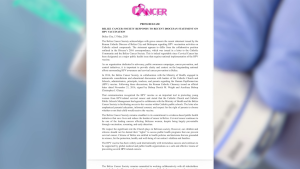
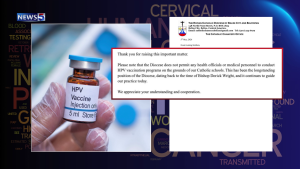 But just days later, the Belize Cancer Society issued a release directly contradicting that claim with correspondences to back them up. One of those documents is a November 21st, 2016 letter signed by Bishop Dorrick Wright and Auxiliary Bishop Christopher Glancy. But the Diocese’s own letter tells a different story. After meeting with the Belize Cancer Society and the Ministry of Health, Bishop Dorrick Wright approved a partnership to bring the HPV vaccine into Catholic schools, giving girls access on campus. The letter focused on informed consent, parent education, and respecting families who opted out. What it didn’t do is ban the program. In fact, it confirmed the Church’s support. And the Ministry of Health says the vaccine has been administered in Catholic primary schools for nearly a decade without issue.
Natalia Beer
Dr. Natalia Beer, Technical Advisor, Ministry of Health & Wellness
“The most successful programs worldwide is school-based vaccination campaign. So at the, before the launch, we worked a few months with the Catholic Church, we worked with the Belize Cancer Society reaching out to all the different stakeholders to get their support, and we did get full support from the Catholic Church. And at that moment, it was clear for us and it was clear for them that parents are the one who need to authorize that their child get vaccinated. So we have been following that process throughout the vaccination campaign.”
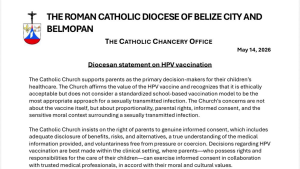
 The Catholic Diocese issued a release today which calls for decisions regarding HPV vaccination to made by parents at health facilities where they can exercise informed consent in collaboration with trusted medical professionals. Pulling the program out of schools would put up a real barrier and make it harder for students to get vaccinated.
 Dr. Natalia Beer
“The school is a safe environment. We have to think of women. Women are working, and for them to get their child vaccinated, they would have to request a day off from school. They would have to request a day off from their work to carry the child to get vaccinated to a health facility when this can be done in school in a short period of time without interrupting classes. Women would have to – there are hidden costs, other hidden costs. For example, she would have to spend extra funds for transportation to and from the health facility to get her child vaccinated when this can be covered with the costs invested to having the child at school.”
The Diocese has yet to explain why its position appears to have changed, or why Bishop Wright’s documented stance isn’t reflected in its latest statement. That silence now puts the church on the spot, raising some tough questions: Was Father Gongora unaware of the Diocese’s own record, or is Bishop Wright’s position being reinterpreted to justify rolling back what many saw as a more progressive approach to reproductive health? Shane Williams for News Five.
Attention readers: This online newscast is a direct transcript of our evening television broadcast. When speakers use Kriol, we have carefully rendered their words using a standard spelling system.
Watch the full newscast here: