


Proposed Broadcasting Law Draws Fire from Online Creators
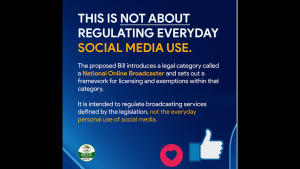
A proposed Broadcasting Bill that would extend Belize’s broadcasting framework to certain online media services is drawing criticism from a growing number of stakeholders, including Orson Elrington, who warn that aspects of the legislation could threaten freedom of expression and create unnecessary barriers for online creators and businesses. While the Belize Broadcasting Authority says the bill is designed to modernize outdated broadcasting laws and would apply only to services operating as broadcasters and not ordinary social media users, critics argue the draft legislation is too broad and could have unintended consequences. Critics are now calling for wider stakeholder consultations before the bill is finalized. News Five Britney Gordon has the story.
 Britney Gordon, Reporting
As more Belizeans use the internet to share news, grow businesses and build audiences, a proposed Broadcasting Bill is sparking concern over who controls online content. The Belize Broadcasting Authority says the bill targets online broadcasters, not everyday users on Facebook, TikTok or YouTube. But others warn that the wording is too broad and could put the public at risk. Attorney Orson Elrington says the bill is unnecessary.
Orson “OJ” Elrington
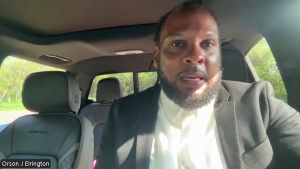
Orson “OJ” Elrington, Attorney-at-Law
“The Belize Broadcasting Authority trying to indicate that it would not apply to the ordinary person, but when you read the legislation it is clear. It is so far reaching that it would apply to the everyday ordinary person. Once it is that you have a piece of legislation that has this type of wide discretion that who falls under it and who does not fall under it, it opens itself up to abuse and wrongdoing. So if they’re, they’re saying that right now, but nothing stops them from, if it is that they don’t feel like they like what you’re saying, to say, “Okay, you know what? After all, it applies to you.”
Elrington argues that under the current draft, businesses that utilize livestreaming services would be subject to the legislation. The founder of Silvatech has joined the chorus of critics, warning that the bill’s current wording could place unnecessary burdens on online entrepreneurs, content creators and small businesses.
Cristian Silva
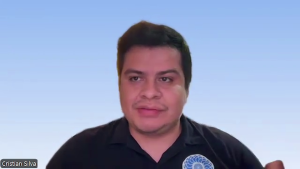
Cristian Silva, Founder, Silvatech
“Silvatech is not against the regulation. Belize should protect copyright, children, public safety, and professional journalism off the bat. The concern with the draft is that it applies a broadcast error permissioning model to ordinary online activity before it defines, like, clear thresholds. So we have, like, a shop owner, a tourism promoter, educator or an event or organizers. They have to wait, at least in the draft, it stated potentially up to four weeks before they can get a green light whether they can sponsor a live stream, need a license.”
 Elrington also argues that the bill potentially impedes citizens freedom of speech. Recently, social media user Sharon Mae Peters was taken to court by attorney Tiffany Cadle in a defamation suit over statements made during a livestream. Cadle, who is suing Peters and two others, supported the bill, arguing that it could help hold citizens with large platforms accountable for what they broadcast. However, Elrington, who represents Peters argues Belize already has legislation in place to do that.
Orson “OJ” Elrington
“They have absolutely no authority to govern the way that it is utilized except for where it is that it can cause harm to others, and there is existing legislation already in place to address that. So you have the Defamation Act, and you have the Cyber Bullying Act, which we have already seen how they have utilized that to try to victimize persons. But those are the legislations which are in place to protect the citizenry from persons from abusing the internet.”
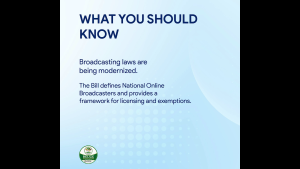
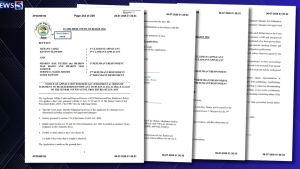 Elrington says the bill gives authorities sweeping powers, including fines of up to fifty thousand dollars, equipment seizures and even internet blocking. He calls it restrictive and undemocratic. Silva maintains the bill requires through revisions as to not endanger businesses.
 Cristian Silva
“The tourism industry, we have a hotel, there’s a festival in San Pedro. They receive a call Friday, Friday evening that a business in the Caribbean, in the US, in Belize want to sponsor a stream for marketing purpose. Now imagine you’re three p.m. late in the afternoon, you want to reach the broadcasting authority to get approval, you have to wait four weeks. So essentially, what’s lost there is that content, potential visitors, the production work, GST, and the local ad spend that would’ve been infused into that local economy.”
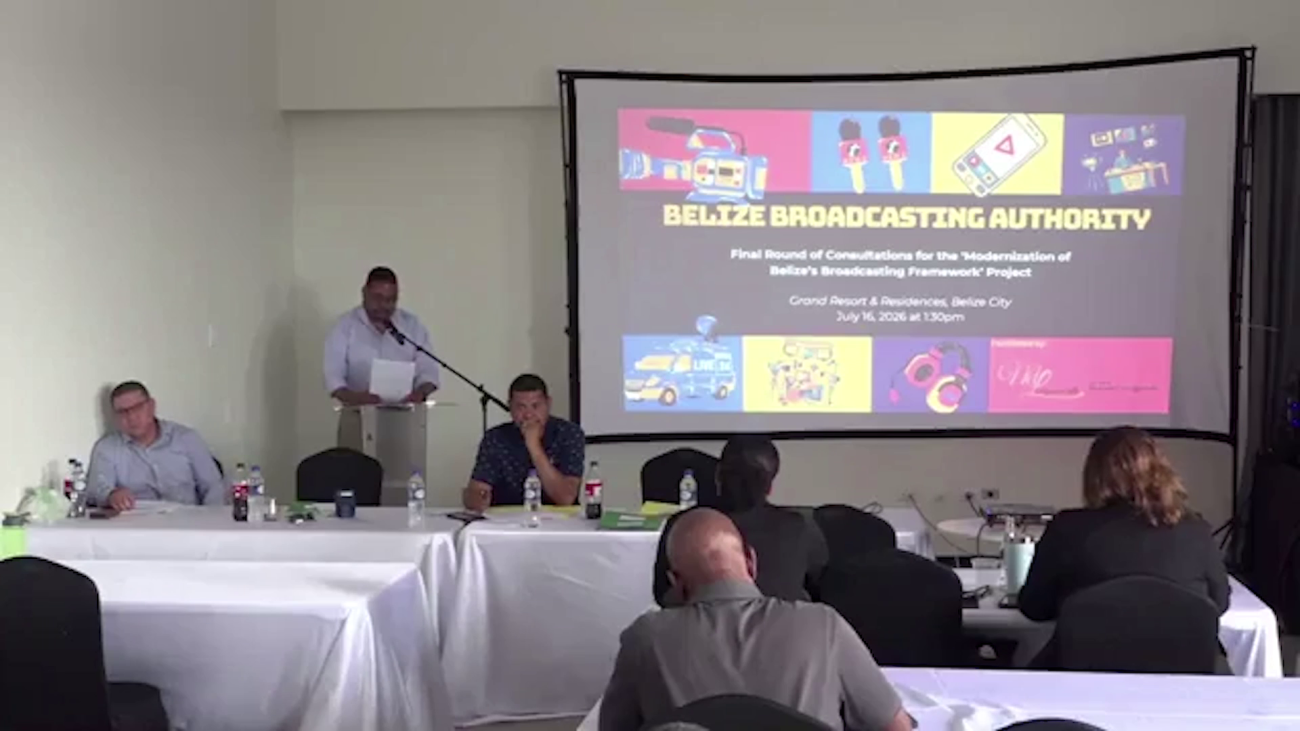
The Belize Broadcasting Authority is inviting the public to review and submit feedback on its draft Broadcasting Bill and Regulations, with written comments accepted through August twenty-four, 2026. Britney Gordon for News Five.
Attention readers: This online newscast is a direct transcript of our evening television broadcast. When speakers use Kriol, we have carefully rendered their words using a standard spelling system.
Watch the full newscast here: