


Built to Last, But Can the Coastal Plain Highway Really Handle Floods?
The Coastal Plain Highway was built to withstand the elements, but recent flooding is putting that promise to the test. Just days after heavy rains left sections damaged and difficult to pass, questions are now surfacing about how resilient the roadway really is in the face of intensifying weather. News Five’s Paul Lopez takes a closer look.
 Paul Lopez,, Reporting
The Coastal Plain Highway may be relatively new, but it’s already facing tough questions. Opened just three years ago after a major upgrade from gravel to pavement, the roadway was built with climate resilience front of mind. Engineers knew the low-lying corridor was highly vulnerable to flooding, making durability a top priority from design through construction.

Evondale Moody
Evondale Moody, Chief Engineer, MIDH
“It also includes significant drainage improvement works in an effort to make the road more climate resilient.”
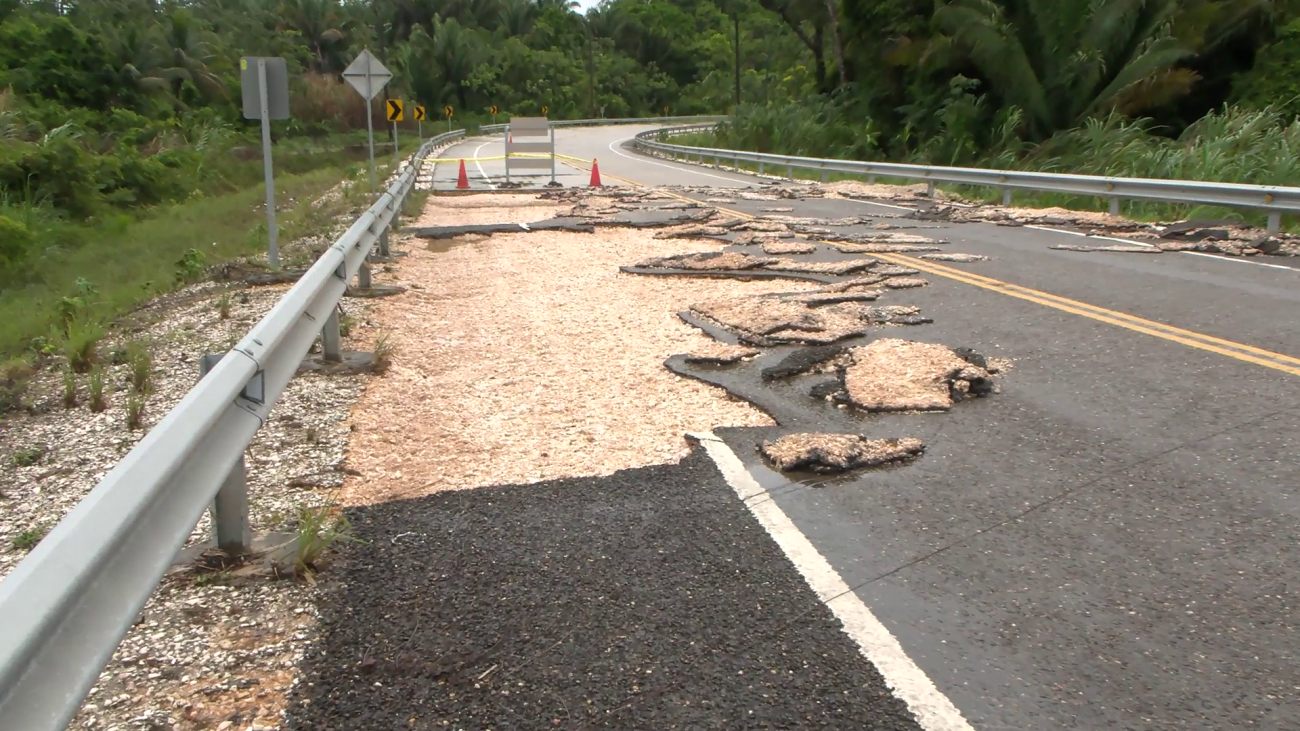
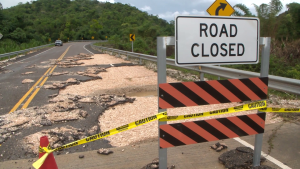
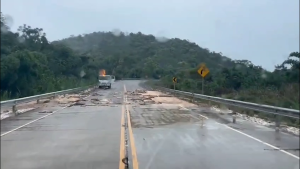
Since it opened, floodwaters have twice made the highway impassable and each time, they left sections of the newly built road damaged. In the latest flooding event, portions of highway were stripped by floodwaters.
 Evondale Moody
“The pavement itself has not been damaged, it is only the wearing course, it is only the surface dressing that has been stripped off and so we have to go back and reinstate that as soon as time permits.”
So, what does “climate resilient” really mean, if roads like the Coastal Plain Highway can still flood and take a hit when bad weather strikes? Principal Hydrologist, Tennielle Hendy weighed in.

Tennielle Hendy
Tennielle Hendy, Principal Hydrologist
“In the absence of information and knowledge we speculate about what climate resilience is. Belize goes from a very short slope to a very low slope, especially in these central areas. I think we know them by now. If you are in the Cayo District, you are through the Coastal Road, down south, anywhere near the Maya Mountains, you can get a flashflood event. Flash floods happen within one, three, or six hour time frames. So we cant say we will absolutely avoid flooding. We cant avoid flooding.”
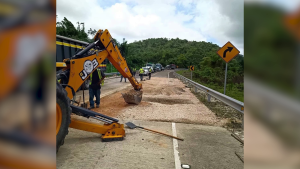
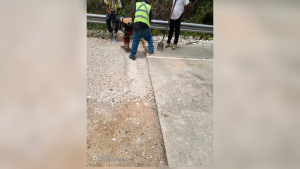 Today, the Ministry of Infrastructure Development & Housing was on the ground conducting repair works along the Coastal Plain Highway. This time they are using concrete to increase resilience in the affected areas.
 Evondale Moody
“It is about fifty meters in length. So, the idea would be that we want to extend that concrete section we have done further up towards the abutment towards Soldier Creek Bridge. So that entire section is now concreted in the event an even more excessive rainfall would occur that would cross the highway again.”
Even with upgraded drainage, the Coastal Plain Highway still feels the brunt of flooding, a reminder that no amount of engineering can fully tame nature’s extremes. Officials point to the unpredictable force of flash floods, which can quickly sweep across the roadway and cause damage despite built-in protections.
 Tennielle Hendy
“What we can do is to build as humanly possible that the runoff times and access is available at some point. I don’t think we can ever have this country at a category five and say nowhere in Belize will ever flood and you can drive everywhere with any event within the country. From my standpoint, we are looking more at resilience to runoff time, reducing the time you have flooding, as is humanly possible, because nature will have its way. But you definitely can’t avoid flooding, we can reduce retention time, increase runoff time, but we definitely cant avoid it.”
Even as engineers strengthen the highway, experts warn that in flood‑prone Belize, resilience can limit the damage, but it can’t stop disasters altogether. Reporting for News Five, I am Paul Lopez.
Attention readers: This online newscast is a direct transcript of our evening television broadcast. When speakers use Kriol, we have carefully rendered their words using a standard spelling system.
Watch the full newscast here: