


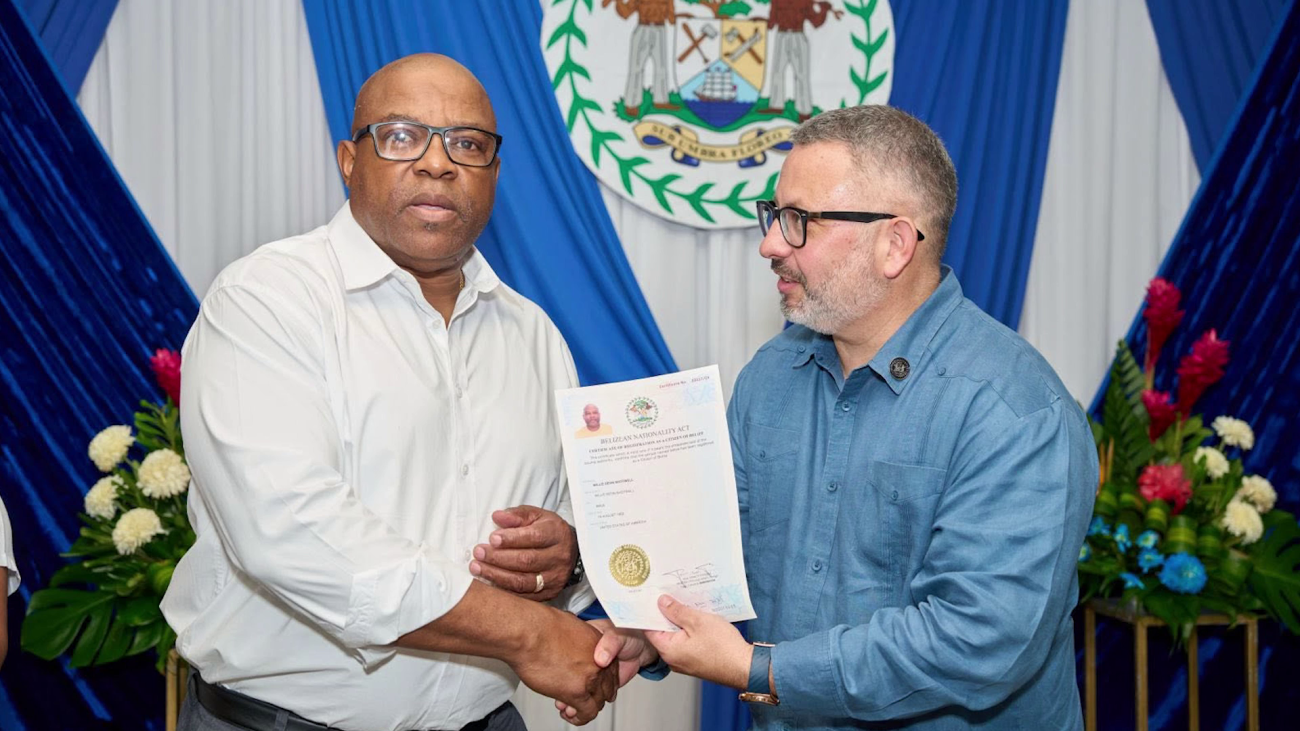
Belize Swears In 100 New Citizens from 22 Countries
Belize is growing, not just in numbers, but in diversity, and that reality was on full display. In a ceremony filled with pride and promise, more than a hundred people from across the globe officially became Belizean, each bringing a unique story and a new chapter to the country’s identity. From Central America to as far as Africa and Asia, these new citizens are now part of the fabric of a nation built on migration and opportunity. Officials say it’s more than a formality; it’s also an investment in Belize’s future. News Five’s Britney Gordon has the story.
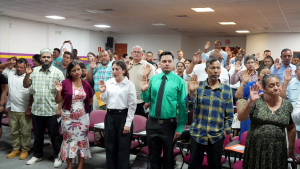 “I pledge that I will do everything in my power to promote and strengthen democracy and the rule of law in Belize. I will do everything to promote to sovereignty and territorial integrity of Belize.”
Britney Gordon, Reporting
For one hundred and eleven men and women, Thursday marked a new chapter in their lives as they were officially sworn in as Belizean citizens. Surrounded by family, friends, and fellow citizens, they raised their hands and pledged allegiance to a country they now call home. Coming from twenty-two countries around the world, Belize’s newest citizens are adding fresh threads to the nation’s cultural tapestry. Immigration Minister Kareem Musa says their welcome into society is a powerful reminder that diversity isn’t just part of Belize’s story; it’s at its core.
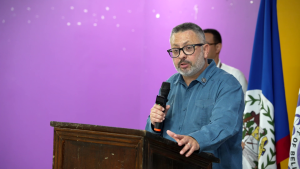
Kareem Musa
Kareem Musa, Minister of Immigration
“Some people don’t understand and appreciate the responsibility and honor it is to be Belizean. A pathway to citizenship is not easy, but it has opened us up to skills, careers, and work that we don’t want to do, or even to professions that did not exist before in Belize. It has kept us youthful, dynamic, and entrepreneurial. It has catapulted and sculpted our character as a people with possibilities, as we are all capable of reinventing ourselves as we choose.”
Of the over one hundred new citizens, thirty-two originated from Honduras, the largest number of the group followed by El Salvador at twenty-eight.
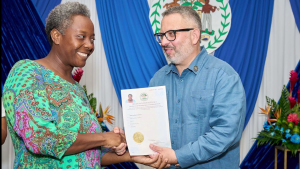 Kareem Musa
“Many of you have resided in Belize for a considerable period. You diligently work, some often in challenging and low-paying jobs, while simultaneously supporting your families. Many of your children are born in Belize or have spent a substantial portion of their lives here. Their aspirations, your children’s aspirations and dreams and patriotism are remarkably similar to ours. They are an integral part of our Belizean society.”
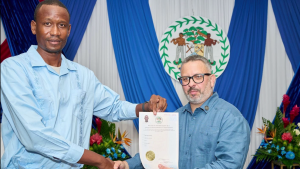 Musa says the Nationality and Passports Department is turning things around, clearing backlogs and cutting wait times from years to just months. A new digital archive is also protecting vulnerable records, while overseas hubs in U.S. cities have already processed thousands of cases. Meanwhile, Refugee Department Director Nikolai Zelaya says officials are reviewing the Refugees Act, following a second round of stakeholder consultations aimed at strengthening how asylum claims are handled.
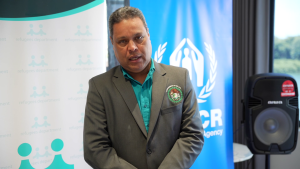
Nikolai Zelaya
Nikolai Zelaya, Director, Refugees Department, Ministry of Immigration
“This present Refugees Act has been in use since nineteen ninety-one with minimal changes along the way. And as we are trying to modernize all our processes, we review the act to ensure and ascertain that it is in alignment with modern times as well as with what we have obtaining in other countries. As such, we have convened a wide cross-section of people here in this room, both from the public and the private sectors. We also included academia, and we also included the opinions of the international community.”
Officials emphasized that stakeholder feedback is being carefully considered in drafting amendments to the Belize Refugees Act, a process underway for several years. UNHCR welcomed Belize’s progress toward finalizing the reforms, noting the Act already aligns closely with the 1951 Refugee Convention.
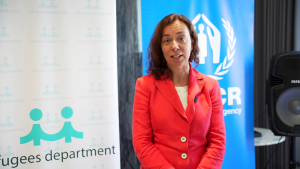
Mariya Voloshkevich
Mariya Voloshkevich, NHCR Officer-in-Charge, Belize
“There are certain gaps and issues that we believe if they’re addressed, would even improve access to asylum and make the Belize asylum system stronger and ensuring protection for all those all those in need.”
The ceremony is part of a wider push to modernize immigration through digital upgrades, while celebrating the diversity that drives Belize’s growth, business, and development. BG4N5
Attention readers: This online newscast is a direct transcript of our evening television broadcast. When speakers use Kriol, we have carefully rendered their words using a standard spelling system.