


Protecting Belize’s Future: Child Justice Guidelines Get Final Approval
As more Belizean children find themselves caught up in a justice system grappling with rising youth violence, officials are pushing to ensure their rights don’t get lost in the process. Today in Belize City, government agencies, child advocates, and legal stakeholders came together to review new Child Justice Guidelines aimed at putting the best interests of children at the center of every decision made by the courts and other authorities. The validation session, led by the National Commission for Families and Children and UNICEF, is part of a broader effort to strengthen protections for minors in conflict with the law. News Five’s Britney Gordon reports.
 Britney Gordon, Reporting
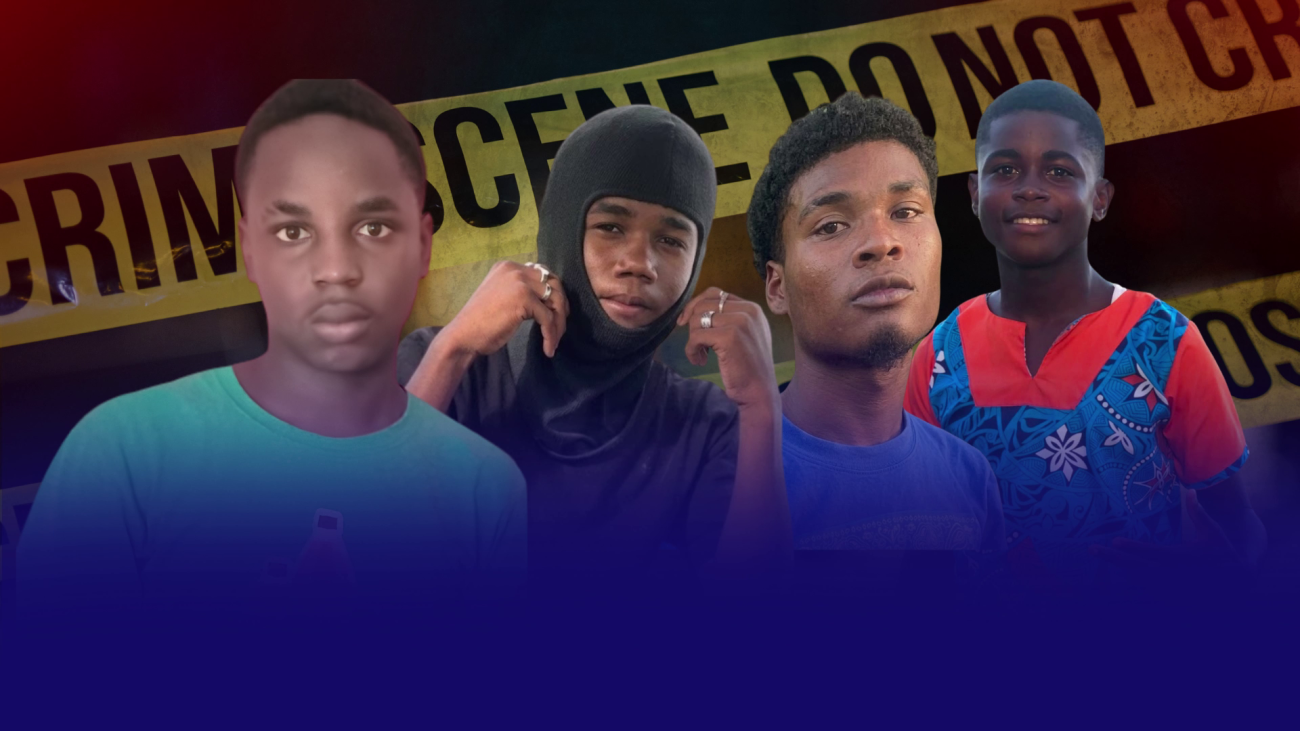
Belize’s youth are paying a deadly price to gun violence. Nine people have been killed this month, including four teenagers. On Sunday, sixteen-year-old Isaiah Norales was shot dead while riding his bicycle in Dangriga. Earlier this month, seventeen-year-old Derrick Morris was gunned down in Belize City. Though their stories are different, both deaths highlight a troubling reality: vulnerable young people need stronger support before they become victims of violence. UNICEF’s Michelle Segura-McGann says diversion programs, rehabilitation, and family support can play a critical role in keeping at-risk youth on a safer path.
Michelle Segura-McGann
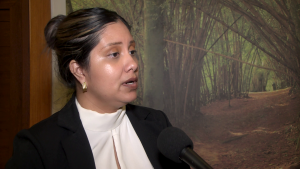
Michelle Segura-McGann, Child Protection Officer, UNICEF Belize
“Children who come in contact with the law, we see this trend that they are being recruited for armed violence to commit crimes which we are seeing as a form of child trafficking. That is something that we will be discussing in this validation session. A few other threats are children who come in contact with the law experience other forms of violence, abuse, neglect, family separation before they get to that stage, which is why it’s important that all the stakeholders come together today”.
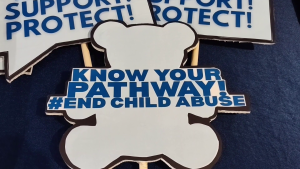 Belize is stepping up efforts to protect its most vulnerable children. Today, the NCFC and UNICEF launched the Child Protection and Child Justice Steering Committee, a five-year initiative aimed at strengthening safeguards for children across the country. The launch also marked the final validation of Belize’s Child Justice Guidelines, a new framework designed to better protect child victims, witnesses, and young people in conflict with the law. NCFC Director Shakira Sutherland says a coordinated approach is critical to ensuring no child falls through the cracks.

Shakira Sutherland
Shakira Sutherland, Director, NCFC
“It’s to ensure that children who are victims claimants to be protected. It’s to ensure that children who have been in conflict with the law or contact with the law be protected because at the end of the day, they are children and the children rights matters. And we need to ensure that the personnels working with the judicial or the Ministry of Health or Education or Ministry of Human Development, we all put the children at the center and the forefront to ensure that they got- get the well-deserved protection and justice especially in the most vulnerable time for them.”
 Joining the conversation today were members of Belize’s Child Parliament, who shared their views on protecting the country’s children. Sixteen-year-old Jocelynn Campos says her hope is that youths in vulnerable positions can gain the support they need to overcome environmental obstacles.
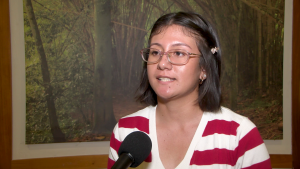
Jocelynn Campos
Jocelynn Campos, Child Parliamentarian
“It is something crucial for the development of our country because many times children that come in contact with the law are just placed in a vulnerable situation, and the way that these situations are dealt with isn’t necessarily done properly, especially since they’re in a difficult place, and they’re not at that age where most laws can be applicable towards them. And so these guidelines are very important so that we can come to understand their situation and how they feel and as to why they react to certain things.”
Many vulnerable children navigate the system without adequate legal support or representation. Child protection entities can ensure children are safeguarded in all aspects, whether during trials, against victimization, or in relation to medical and health issues.
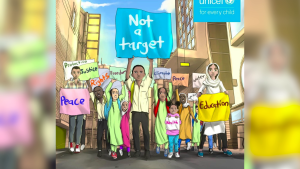 Michelle Segura-McGann
“Children are fundamentally different from adults. The evolving capacities, their age, their development is fundamentally different from an adult, so that means that they will need special treatments. They need to be treated with dignity. We need to take into account that they are able to be rehabilitated in a much faster and easier way, especially when it comes to petty offenses.”
Although teenagers are recognized legally as adults at eighteen, NCFC says the work continues to ensure they are protected as they remain vulnerable and susceptible to abuse. Campos hopes that by continuing to advocate for her peers, more Belizeans will grow up safe.
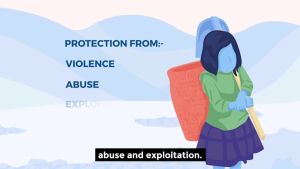 Jocelynn Campos
“I just hope that we can come together as a society and nurture our youths to do the right thing and to follow a good path so that later on in the future, Belize can grow economically and socially.”
Stakeholders are working to create a stronger safety net for Belize’s children, but they can’t do it alone. Families, teachers, healthcare workers, and police all have a role to play in making sure every child is protected and supported. Britney Gordon for News Five.
Attention readers: This online newscast is a direct transcript of our evening television broadcast. When speakers use Kriol, we have carefully rendered their words using a standard spelling system.
Watch the full newscast here: