


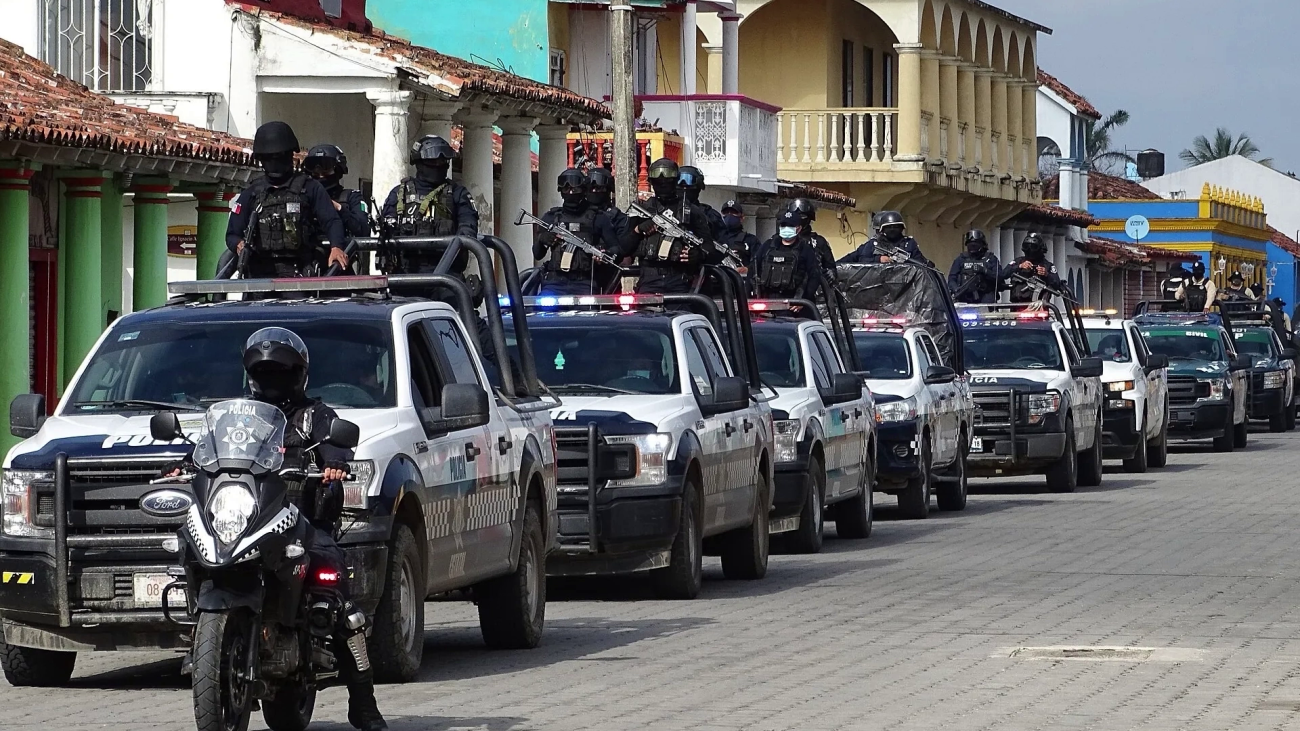
“Arrests Aren’t Enough,” CEO Arnold Warns in Anti-Narco Push
New Foreign Affairs CEO Oscar Arnold faces a growing threat: narco activity along Belize’s northern border. Drawing on his time as Ambassador to Mexico, Arnold says he’s seen how complex transnational crime networks operate. With trafficking concerns rising, he argues that law enforcement must go beyond arresting individuals. The real fight, he says, is dismantling the financial systems and institutional support that keep these networks alive. Arnold adds that his experience in Mexico will guide his strategy in tackling the issue in his new role.
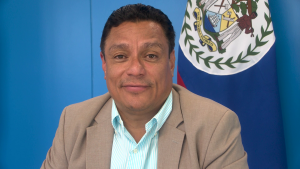
Oscar Arnold
Oscar Arnold, CEO, Ministry of Foreign Affairs and Foreign Trade
“What we’ve seen over the past year and maybe year and a half is that fighting a one-off or an incident that takes place irregularly is one thing but you also have to start to fight and combat the structures that are around this type of activity because before we thought that or it was looked at that we would look at only the criminal element or the criminal activity. Now you understand that you have to look at how this money integrates into the formal banking sector. And once you start to look at those structures, once you start to attack those structures, that is when you start to see some gains. And so I believe the – how that will be approached will change a lot. It’s already changing. So now at the macro level that I have the luxury of doing that. While I was in as the ambassador, you would look at individual things that are taking place: how it affects our car dealers, how it affects people who are traveling back home by road, how it affects business if the border is shut down or if there’s no, in recent memory, the customs or there were no brokers who would be doing the paperwork. How does that affect then the economy? So I have to say that it was a learning experience at the time. We understand and we have to respect how the government of Mexico, the federal government, how they’re structured, what they put in place, and we try to then work with that, try to support it from our end. It’s not an easy task but I have to say that we, because of the relationship that we’ve, that we’ve had with Mexico, because of how we grew that relationship, it’s far easier to discuss things as friends as opposed to when you’re in, in- or having differing views.”
Attention readers: This online newscast is a direct transcript of our evening television broadcast. When speakers use Kriol, we have carefully rendered their words using a standard spelling system.
Watch the full newscast here: