


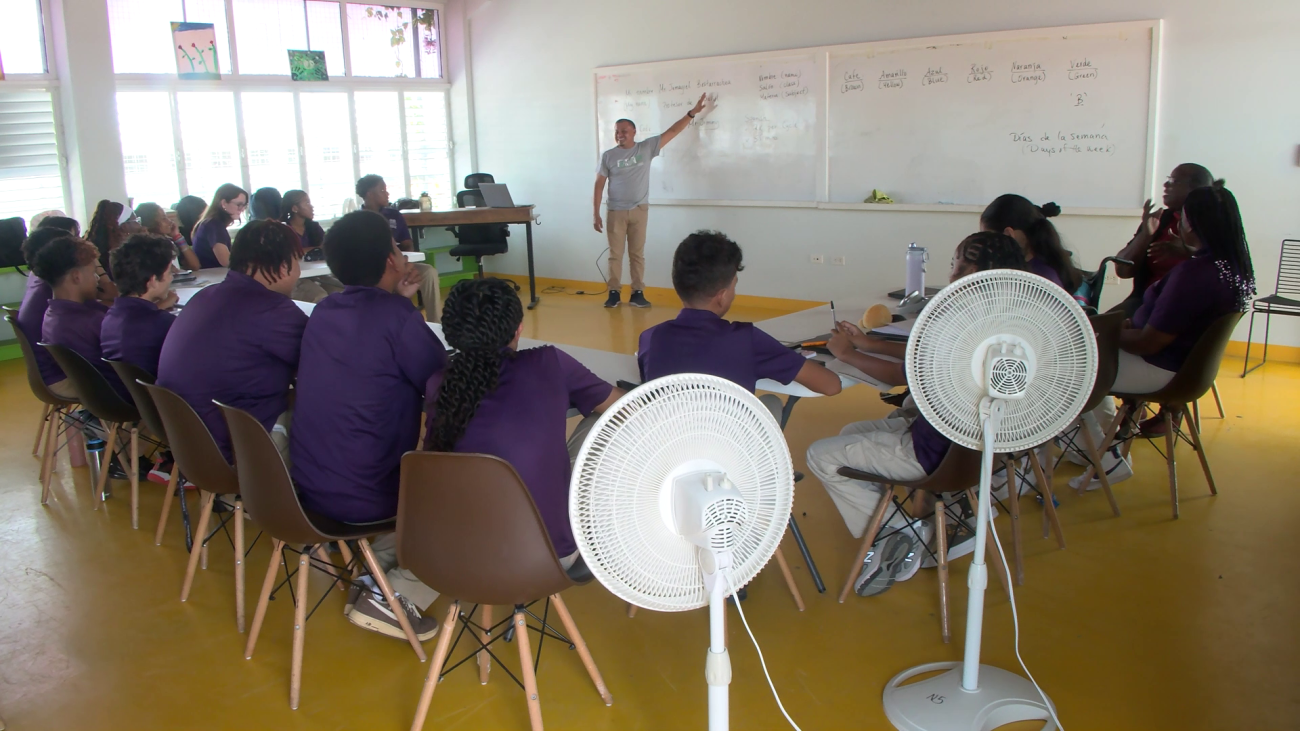
Deaf Students Start New School Year Without Interpreter
For most students, the first day of school is filled with possibility, new friendships and fresh opportunities. But for Belize’s Deaf students, the new academic year has begun with isolation, uncertainty and barriers that many of their peers will never have to face. From Orange Walk to Belize City, parents are sounding the alarm over a chronic shortage of sign language interpreters, leaving vulnerable children struggling to communicate and learn. Tonight, News Five examines a growing crisis that is testing Belize’s commitment to inclusive education. Here is that report.
 Paul Lopez, Reporting
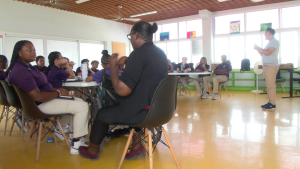
The first day of school should be filled with new lessons, familiar faces and renewed friendships. But for third-form student Jadah Muschamp, returning to Itz’at STEAM Academy meant entering a classroom without the support she needs to communicate. Jadah is Deaf, and without a sign language interpreter, learning and connecting with others becomes a daily struggle. Principal Christine Coc says the school tried to secure that support before classes began, but those efforts fell short.
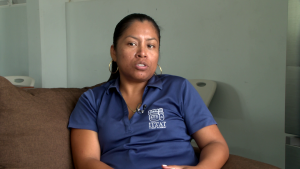
Christine Coc
Christine Coc, Principal, Itz’at Steam Academy
“We can go back as early as 2024 which was when we got Jadah and Maleek and Isabella, they are our three Deaf students, they came with a sign language interpreter, that is Ms. Rosemond Williams and when they started first form, like in any school, first formers don’t have a specific pathway.”
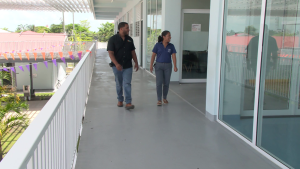 But at Itz’at when a student enters third form, they can choose a major. Jadah enrolled in Health and Sustainable Technologies studies, while two other Deaf colleagues chose Engineering and Manufacturing. The only available interpreter moved with Maleek and Isabella. Jadah’s situation highlights a wider national problem. Belize has only a limited number of sign language interpreters, and the low pay makes classroom work difficult to sustain. The school advertised the position, but no one applied.
 Christine Coc
“When we opened our doors yesterday, the idea was to use assistive technology to help that challenge and I actually teach Jada so I am one of them in the classroom. The way it works is that when you speak or you are teaching, the technology picks up what you are saying and its like a caption on the TV Screen, so she is able to read what I am saying without a sign language interpreter.”
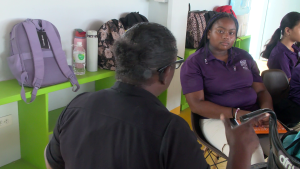
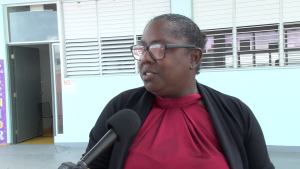
Principal Coc says Jadah needs additional support to read and understand classroom material. Jadah felt lost, emotional and questioned whether she would be able to fulfill her academic goals. That’s when her mother, Sophia Muschamp, stepped in. A career public officer, Muschamp took the day off from work to interpret for her daughter, insisting that she must remain in the classroom.
Sophia Muschamp
Sophia Muschamp, Mother of Deaf Student
“I called in a day, an emergency day because it is an emergency for my child. She needs the instruction, she needs to know what is going on in her class and the school actually supported me coming in to hold over today until she gets someone tomorrow. The issue for us is that we don’t have enough interpreters in Belize and the few that we do have from what I am understanding, the wage or the stipend they can get is not enough for them to function in life. They cannot give up what they are doing to come and sit here with my child.”
Jadah now has an interpreter, but only for the short term. The interpreter works full-time with Deaf students at Stella Maris and is currently on leave. In Orange Walk, another Deaf student faced the same barrier on her first day of high school. Her frustrated father took to social media, and we spoke with the child’s mother.
 On the Phone: Areli Alamilla, Mother of Deaf Student
“When I reached home she told me that she felt alone, she did not have that support that anybody could help her, that she could explain herself, her name, how to use the bathroom, where to go have her snack or lunch and it is sad because she reached at home and told me she does not want to go back to school. I told her yes she has to go back, that it is for your own good. And she told me, if I go today, who will be there with me? Who will help me? I cannot listen. The teacher looks at me but she does not know sign language. I cannot communicate with any of my classmates, because I don’t have an interpreter to help me.”
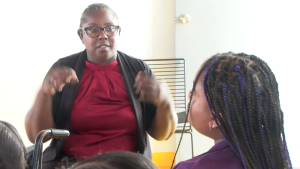 Areli Alamilla describes her daughter’s experience as lonely. But she encouraged her daughter to return to the classroom while pleading with the school and the Ministry of Education to find a solution. Sophia Muschamp is making a similar appeal, not only for her daughter but for Deaf students across the country.
 Sophia Muschamp
“We need to advocate for all of our “special”, I don’t really like to use the special, because we are all human beings. I don’t think we should actually call them special. My child, she is deaf, she just happens, she is a living, breathing person that just happens to cant hear. She is functioning, but she needs to function with the assistance of an interpreter.”
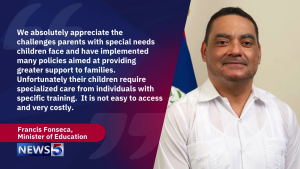
News Five reached out to Minister of Education, Francis Fonseca for comments. He told us, quote, “We absolutely appreciate the challenges parents with special needs children face and have implemented many policies aimed at providing greater support to families. Unfortunately, their children require specialized care from individuals with specific training. It is not easy to access and very costly”, end quote. Reporting for News Five, I am Paul Lopez.
Attention readers: This online newscast is a direct transcript of our evening television broadcast. When speakers use Kriol, we have carefully rendered their words using a standard spelling system.
Watch the full newscast here: