


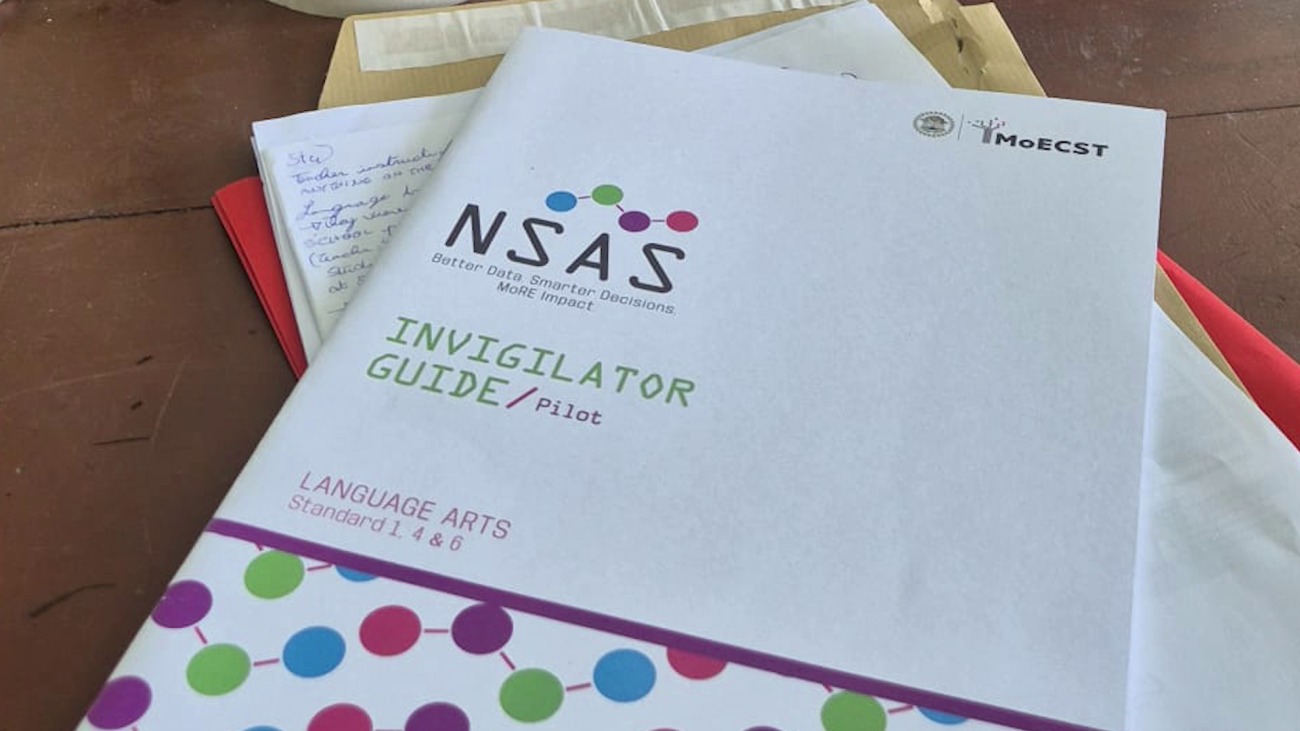
Thousands of Students Sit Math Exam in Nationwide Education Pilot
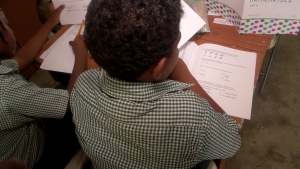
Today, classrooms across Belize turned into testing grounds for the nation’s future, as thousands of primary school students sat the math portion of a new national assessment. From busy towns to the most remote villages, the pilot program is being rolled out in nearly three hundred schools, building on Wednesday’s English exam. It’s a major step for the education system, and officials are going the extra mile to make sure every child has access. News Five’s Shane Williams has more on why this matters and how it’s all coming together.
 Shane Williams, Reporting
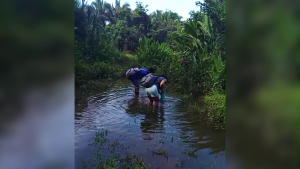
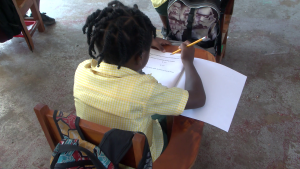
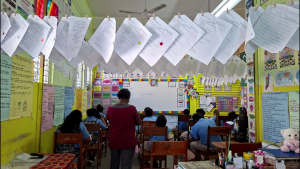
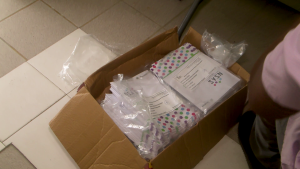
Getting to the classroom was anything but routine. In parts of southern Belize, floodwaters turned roads into rivers, but even that couldn’t stop invigilators from pushing through to reach students taking part in the National Schools Assessment System pilot program. Altogether, twenty thousand, nine hundred and sixty-five students from two hundred and eighty-seven primary schools are participating. For the Ministry of Education, the exercise is designed to provide a clearer picture of students learning across the country.
Dian Maheia
Dian Maheia, Chief Executive Officer, Ministry of Education
“It’s happening in standard one, standard four, and standard six, all schools across the country. All right? And what this is going to do is allow the ministry, and then beyond the ministry, allow schools, allow teachers to get a really good sense of where students are. If we understand where students are, we understand how to help, how to direct teaching and learning. We get a sense of what’s being done well and what could be done better.”
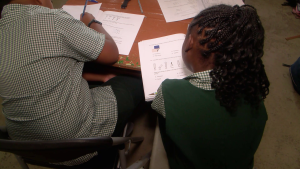 School administrators welcome the initiative, saying it provides valuable data that can be used to measure performance and improve accountability across the education system.
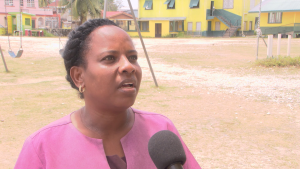
Keisha Garbutt
Keisha Garbutt, Principal, St. John’s Anglican School
“I personally believe it’s one of the greatest things the Ministry of Education could have done. In this light, they would have data on our students countrywide and also be a point of view where we can hold teachers accountable so we can measure students’ achievement at the end of the year.”
At All Saints Primary School, Principal Colin Estrada says students perceived the assessment as difficult, yet that difficulty presents a valuable opportunity for schools to evaluate how effectively they are meeting educational goals.
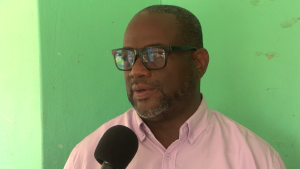
Colin Estrada
Colin Estrada, Principal, All Saints Primary School
“From what the children have said, it has, it has challenged them and then what it does for us, it is being able to see at what level we are along with what we’re doing with our management.”
 Estrada says data gathered from the assessment will help schools refine their improvement plans and focus resources where they are needed most.
Colin Estrada
“ We always use data to be able to have school improvement plan and to also be able to see what is it that we’ll be able to – we need to be able to improve on in terms of the different subject areas. Because data is what is necessary for us to be able to see where our strengths are and where, where our weaknesses are.”
 Garbutt believes the assessment could also encourage parents to become more engaged in their children’s academic progress.
 Keisha Garbutt
“This too would be an indication for parents, because some parents have just laid back because they know that at the end of the year, that they are not, there isn’t any real testing being done. And so this will get parents back into pushing their students or their children forward.”
While the assessment is being conducted on a national scale, education officials stress that it is not intended to determine placement of students or be discriminatory.
 Dian Maheia
“ This is not going to be a test grade that will impact anybody’s score in any subject. It’s not going to have an impact on your report card. It’s not going to determine whether you pass or fail. It’s really what we call a low stakes assessment. It’s a tool for improvement, and really improvement for the system.”
The Ministry of Education intends to add science and Belizean studies to the assessment next year and extend the program to high schools in the near future. Shane Williams for News Five.
Attention readers: This online newscast is a direct transcript of our evening television broadcast. When speakers use Kriol, we have carefully rendered their words using a standard spelling system.
Watch the full newscast here: