
Belize Reopens Investigation on Cold Cases with DNA Testing
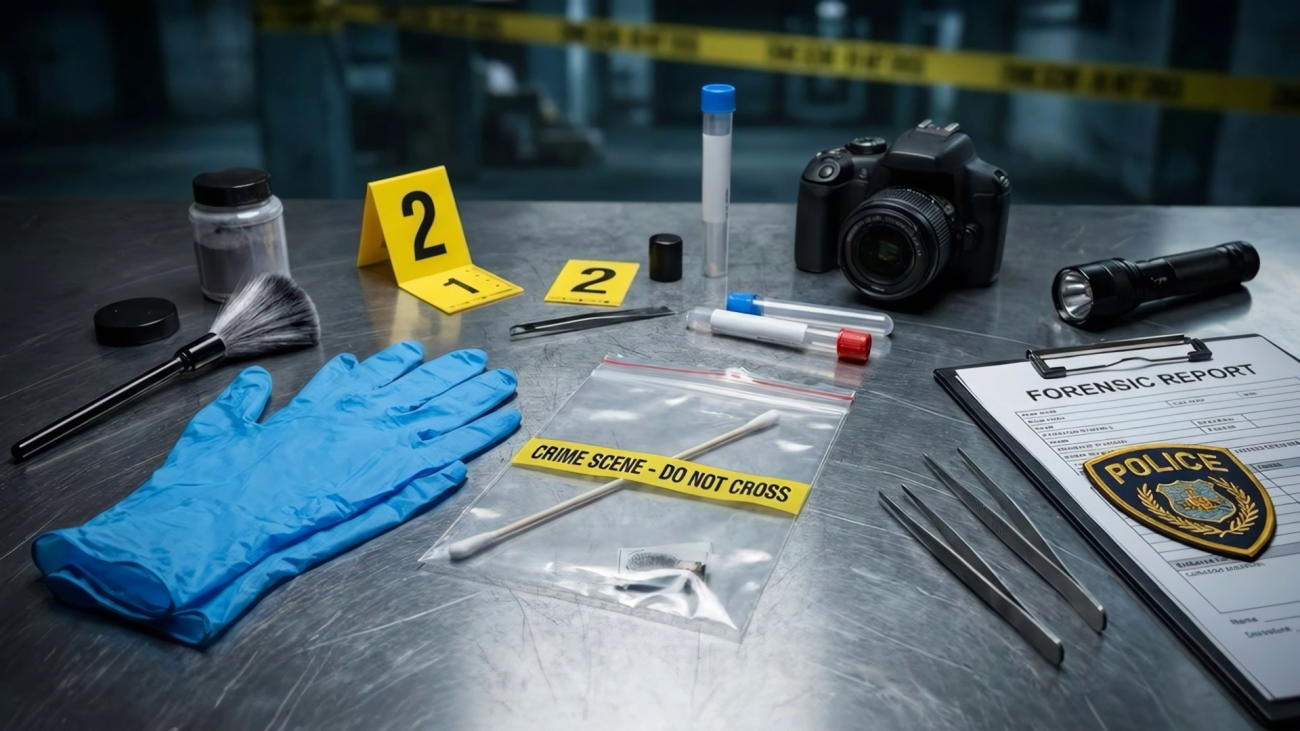
After years of uncertainty and heartbreak, some Belizean families are finally getting a glimmer of hope. The National Forensic Science Service is pushing forward with efforts to identify human remains, examining skeletal samples, including one case dating back to 1998. With fingerprints no longer an option, experts are turning to mitochondrial DNA to unlock answers. Tonight, News Five’s Britney Gordon looks at how science is helping put names to the nameless and bring long-awaited closure to families.
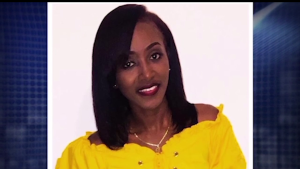
Annie Young
Britney Gordon, Reporting
Sometimes, closure is all a family hopes for. For years, families across Belize have lived with the pain of unanswered questions, loved ones gone without a trace, their fates unknown. Many still remember Annie Young, who disappeared just before the holidays in 2018, and was never seen again. To this day, her case remains a mystery. But now, there’s renewed hope. The National Forensic Science Service is turning to advanced DNA testing on skeletal remains, working to connect the dots in long-cold cases and finally bring some of those missing stories to light.
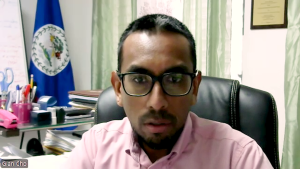
Gian Cho
Gian Cho, Executive Director, National Forensic Science Service
“It was only in 2013 that the medical examiner’s office, began to start working from under the National Forensic Science Service, along with Scenes of Crime and so in 2013, we started to get more consistency in case files in making sure that there, there are overlaps of information in making sure that contextual information from the skeletal remains that were recovered sometimes a decade before could be preserved.”
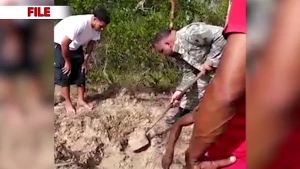 Executive Director Gian Cho says one of the biggest challenges in these cases is that crucial details and context often fade or disappear over time. Many remains were recovered years ago in remote coastal areas with little documentation, and investigators now rely on old missing persons reports dating back to 2013 to help narrow down identities for DNA testing. For Young’s family, this kind of effort is something they’ve been hoping and praying for over the years.
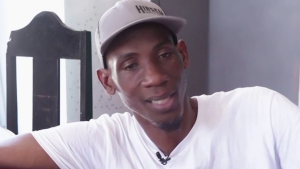
Nelson Tillett
Nelson Tillett, Uncle of Deceased (File: Aug 9th, 2023)
“My sister mi want actually get the swabs dehn and ship it to America weh dehn could do the forensic there. Or she mi actually may want bring in a private investigator but they nuh – dehn seh that nuh work soh.”
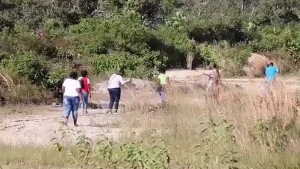
Belize is working to match missing persons reports from 2013 with skeletal remains, but the effort is challenging because many of the samples are old and badly degraded. While the country’s current Rapid DNA technology is highly effective for recent cases, often providing closure to families in as little as two days, it lacks the capability to extract usable DNA profiles from very old or severely degraded remains, such as those dating back to 1998.
 Gian Cho
“In 2023 we made a project, designed to do anthropology analysis. So we brought in anthropology experts from abroad, worked with our local forensic anthropologist who’s on staff, to go through the skeletal remains and come up with what we call bio profiles. And this was in the media a few years back, in partnership with Rutgers University, where we, we started to narrow down, sex, ancestry, possible age, possible height, stature, any signs of trauma, et cetera. So we can, we can eliminate for, for a particular set of skeletal remains whether it’s female, whether it’s male, whether it’s, it’s, Caucasian ancestry, you know, African ancestry, et cetera.”
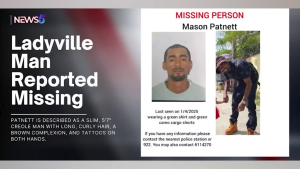 Just last year, thirty-eight-year-old Mason Patnett disappeared from his home in Vista Del Mar without a trace, leaving his dog still tied up outside and his family puzzled and heartbroken.
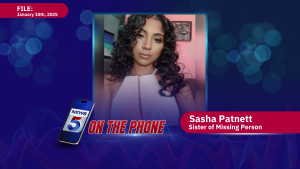 On the Phone: Sasha Patnett, Sister of Missing Person (File: January 10th, 2025)
“Not knowing where Mason is, we don’t know, every time we hear of a potential body or anything like that, we’re going to go through the same emotions every single time. We’re going to have to relive it over and over again. So we just want to find him at this point.”
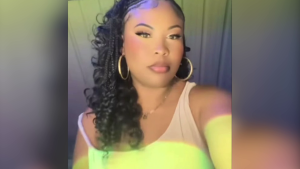
Deborah Bree Arthurs
The National Forensic Science Service is best known for supporting criminal cases, but it’s also taking on a deeply human mission, identifying long‑unclaimed remains. Director Gian Cho says the work is driven by a simple belief that everyone deserves to be recognized, even in death. While the effort brings fresh hope to some families, others are still waiting. Seventy-seven days after Deborah Bree Arthurs vanished on a short trip to Belize City, there are still no answers and her family fears her case could also go cold. Britney Gordon for News Five.
Attention readers: This online newscast is a direct transcript of our evening television broadcast. When speakers use Kriol, we have carefully rendered their words using a standard spelling system.
Watch the full newscast here: